
-
Affiliates
Why Our Kids Help Choose The Family Holiday
Family holidays are meant to give everyone a break, yet planning one can quickly become an adult-only exercise. We compare prices, check annual leave, study maps and choose the accommodation, while the children simply hear where they are going. Giving them a genuine say has changed the way our family travels.
That does not mean handing over the entire holiday budget or agreeing to every theme park request. It means listening to what excites each child, explaining the practical limits and finding a destination that feels shared. When kids have some ownership, they are usually more engaged before, during and after the trip.
For our family, the best destination is not always the trendiest resort or the cheapest last-minute deal. A beach town, a regional food trail, a city break or a cabin near a national park can all work when the children understand why we picked it together. Their ideas often reveal simple pleasures adults overlook.
The process has also made holidays more realistic. Australian school holidays, long driving distances and the cost of family accommodation all shape our choices. A child’s vote matters, but it sits alongside safety, weather, transport, accessibility and what our household can comfortably afford.
| What the children choose | What the adults check |
|---|---|
| Activities they will enjoy | Total cost, including meals and transport |
| A preferred setting | Weather, travel time and accommodation |
| One special experience | Age suitability and safety |
| Small daily choices | School dates, work leave and booking rules |
Shared Decisions Build Confidence
Children learn that their opinions can be heard without every preference becoming an automatic decision. We might offer three possible destinations and ask each child to choose a favourite, then discuss the reasons. This gives them practice in comparing options, explaining priorities and accepting a group decision.
It also helps younger children feel valued during a period when many parts of life are controlled by adults. Choosing between a wildlife park, a swimming beach or a city museum gives them a manageable piece of responsibility. We make it clear that a vote is meaningful, while the final decision still belongs to the grown-ups.
Their Interests Shape Better Itineraries
Kids often contribute ideas that make a trip more enjoyable for everyone. One child may want an animal encounter, another may be keen on trains, and someone else may care most about having a pool at the accommodation. Those preferences help us build a balanced itinerary instead of filling every day with activities adults assume the family should enjoy.
We also leave space for ordinary holiday habits: a slow breakfast, a playground visit, an ice cream after dinner or time reading in the room. During a trip to Sydney, the children’s interest in ferries helped us see the harbour as an attraction in itself. In Melbourne, a request for street art and hot chocolate created a relaxed day between larger outings.
The Budget Becomes A Family Lesson
Travel costs are especially important in Australia, where flights between capital cities can be expensive and a road trip may cover hundreds of kilometres before reaching the fun. We discuss broad limits without placing financial anxiety on the children. They can help decide whether we spend on one memorable attraction or several smaller activities.
Planning food is part of that conversation too. We may book accommodation with a kitchen, pack familiar snacks and choose a few restaurant meals rather than eating out every day. A useful companion to our planning is this collection of freezer meal recipes, especially when we want easy food before departure or after arriving home.
Australian pricing also requires careful checking. GST is included in advertised consumer prices, but resort fees, parking, baggage, booking charges and attraction add-ons can still alter the final amount. Looking at the complete cost teaches children that a destination is more than its headline accommodation price.
Practical Limits Keep Choices Safe
A child’s preferred destination must fit the family’s safety needs. We consider heat, bushfire conditions, swimming ability, walking distances and whether the accommodation has suitable beds and kitchen facilities. Australian child restraint laws also matter on road trips; the right car seat or booster must be used for a child’s age and size.
We check cancellation terms and booking protections as well. Under the Australian Consumer Law, services must generally be provided with due care and skill and match their description, but that does not mean every change of mind earns a refund. Reading the conditions before paying is a useful habit, particularly for school-holiday accommodation.
School calendars add another layer. Term dates differ between states and territories, so a family travelling from Brisbane, Perth or Adelaide may face different peak periods from relatives in Sydney or Melbourne. Checking the relevant education department calendar before choosing dates can prevent expensive surprises and missed commitments.
Everyone Gets A Memorable Moment
We try to give each child one part of the holiday that feels especially theirs. It could be choosing the first beach, selecting a family movie for the accommodation, visiting a particular shop or deciding which photograph becomes the scrapbook cover. These small decisions stop the trip from becoming a rigid adult itinerary.
The children also learn that compromise is part of travelling together. One person may get the aquarium visit while another chooses the picnic location. When plans change because of rain, traffic or tiredness, we explain the reason and invite them to help create a new plan instead of treating the day as ruined.
Back at home, talking about the best moments keeps the shared experience going. We save tickets, sort photos and celebrate the small wins that made the holiday work, much like the family rituals described in celebrating small wins. The destination matters, but the feeling of having created the trip together lasts longer.
Letting children help choose a family holiday has made our planning kinder, more practical and more fun. Their voices sit alongside the adult responsibilities, giving everyone a reason to look forward to the journey and a memory they can claim as their own.
For more family life, parenting stories and everyday travel reflections, visit Country Girl City Life and follow along as we make room for the small choices that make family time special.


 Durex House Party “He Said/She Said” Challenge [Giveaway]
![Durex House Party: Introducing the LOVE BOX [Giveaway]](/wp-content/uploads/HLIC/2ed7178346e419ad5c79280a7d5dd0aa.png) Durex House Party: Introducing the LOVE BOX [Giveaway]
Durex House Party: Introducing the LOVE BOX [Giveaway]
![Welcome to the Durex House Party [Giveaway]](/wp-content/uploads/HLIC/b3517de65f98905a68b0497aa5152005.png) Welcome to the Durex House Party [Giveaway]
Welcome to the Durex House Party [Giveaway]
 Nursing Scrubs
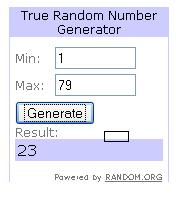 Purex Complete Crystals Winner