
-
Affiliates
The little victories that bring our family together
Family life is full of moments that can pass almost unnoticed. A child finally remembers their school reader, someone puts their shoes away without being asked, or the whole household makes it through dinner without an argument. These moments may seem ordinary, yet they often deserve more attention than the big milestones we carefully photograph and share.
In our home, celebrating small wins as a family has become a simple way to notice progress. The children learn that effort counts, while the adults get a reminder that family life is built from hundreds of tiny successes. We do not need an expensive outing or a perfectly planned weekend to make those moments feel special.
With the cost of groceries, petrol and children’s activities always in the background, our celebrations usually need to be affordable. A packet of icy poles from Woolworths, a walk to the local playground or a movie night with popcorn can create just as much excitement as a restaurant booking. The value comes from giving the achievement our full attention.
These rituals have also helped us celebrate different kinds of progress. One child might be proud of a spelling result, while another has managed a difficult emotion, packed their schoolbag or tried something unfamiliar. Family encouragement works best when it leaves room for each person’s personality, age and pace.
Making room for everyday achievements
Some wins happen before the day has properly started. Getting dressed on time, finding a missing library book and leaving the house without a last-minute meltdown can feel like major accomplishments during a busy school week. When we acknowledge them, the morning feels less like a race and more like a shared effort.
I have learned to be specific with praise. Instead of saying “good job”, I might mention that a child kept practising a maths problem, helped a sibling or stayed calm while waiting. Specific encouragement shows that we noticed the process, not just the result. It also makes praise feel genuine rather than automatic.
We sometimes mark these moments with a quick family cheer in the kitchen or a high five at the front door. It takes seconds, but it changes the mood. A child who has struggled with reading or confidence begins to see improvement as something real and visible, rather than something that only adults can measure.
Creating low-cost family traditions
Our favourite rewards are usually the ones that become traditions. Friday pizza can celebrate a week of kind choices, while a Saturday morning trip for a bakery treat can recognise a child who has worked hard at sport or school. These plans fit more comfortably into a family budget than regular paid attractions.
Australian family life offers plenty of inexpensive ways to celebrate. We might take scooters to the park, watch the sunset at the beach or share a sausage from a Bunnings sausage sizzle after a successful home project. In cooler weather, a backyard cricket match or a game of Uno around the table can be enough.
The important part is making the occasion feel intentional. I might say, “Tonight we are celebrating your persistence,” before serving dinner or putting on a favourite playlist. That small explanation helps children connect the treat with their effort, rather than assuming every reward has to be earned through perfect behaviour.
Celebrating progress without comparisons
Children develop at different speeds, and family celebrations can accidentally become competitive if we are not careful. We try to focus on personal growth instead of comparing siblings’ marks, sporting abilities or behaviour. A child who speaks up in class may have achieved something just as significant as another child winning a medal.
Parenting has taught me to look beyond simple labels. The differences between children can affect how they respond to praise, pressure and attention, which is something I explored when writing about raising boys and girls. One child may enjoy a loud celebration, while another prefers a quiet cuddle and a private word.
We also avoid making every achievement depend on a prize. If a child receives money or a present for every completed task, the effort can become tied to the reward. A warm conversation, extra bedtime reading or choosing the family film often feels more meaningful and keeps the focus on pride rather than payment.
Keeping a record of the good moments
A shared family wins jar has become one of our easiest traditions. When someone does something they are proud of, we write it on a scrap of paper and add it to the jar. At the end of the month, we read the notes together. Some are funny, some are touching, and a few remind us of progress we had completely forgotten.
The notes do not have to describe huge achievements. “Tried broccoli,” “finished a tricky assignment” and “helped clean the car” are all valid entries. The children enjoy hearing their own words read aloud, and the adults get a chance to appreciate how much happens between birthdays, holidays and school reports.
Photos can serve the same purpose. We take a picture of a finished Lego build, a first attempt at riding a bike or a homemade cake that did not quite look like the recipe. These memories become especially precious later, when the children have grown and the everyday details are harder to recall.
Letting celebrations grow with the children
As the children get older, they can help decide how the family marks a win. They might choose a playlist, prepare dessert or plan a walk after dinner. Giving them a role makes the celebration feel shared rather than like something adults organise from the sidelines.
Older children may prefer recognition that feels less public. A handwritten note in their lunchbox, a coffee-shop stop after school or an evening chat can communicate the same pride as a family announcement. Respecting their preferences helps keep encouragement welcome, particularly as school, friendships and activities become more complicated.
We also celebrate adult wins because children benefit from seeing that effort continues throughout life. Completing a work deadline, sticking to a savings goal or handling a stressful week deserves acknowledgement too. A simple takeaway meal or a quiet cup of tea can remind us that parents need encouragement, not just the children.
Small family celebrations do not erase difficult days, and they cannot solve every problem. They give us something steady to return to: notice the effort, name the progress and enjoy being together. Over time, these habits create a family culture where persistence matters and everyone has a reason to feel seen.
Choose one ordinary win from this week and mark it in a way that suits your family. Add a note to a jar, share a favourite snack, take a walk or gather around the table for a few minutes of proper attention. Those little rituals can become the memories your children carry long after the achievement itself has faded.


 Durex House Party “He Said/She Said” Challenge [Giveaway]
![Durex House Party: Introducing the LOVE BOX [Giveaway]](/wp-content/uploads/HLIC/2ed7178346e419ad5c79280a7d5dd0aa.png) Durex House Party: Introducing the LOVE BOX [Giveaway]
Durex House Party: Introducing the LOVE BOX [Giveaway]
![Welcome to the Durex House Party [Giveaway]](/wp-content/uploads/HLIC/b3517de65f98905a68b0497aa5152005.png) Welcome to the Durex House Party [Giveaway]
Welcome to the Durex House Party [Giveaway]
 Nursing Scrubs
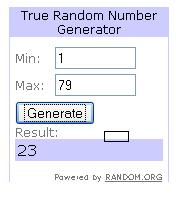 Purex Complete Crystals Winner