
-
Affiliates
The truth about raising kids in a small apartment
Raising children in a small apartment can look charming in photos: a cozy home, toys tucked into baskets, and everyone gathered close together. The everyday reality is less polished. There are piles of laundry in the same room where homework happens, a baby waking up because someone dropped a toy, and very little space to escape when everyone needs a break.
Still, limited square footage does not automatically mean an unhappy childhood or a stressed-out parent. Our children care far more about feeling safe, loved, and included than having a playroom. Apartment living has taught me to focus less on creating a perfect home and more on making our space work for the people who live in it.
The biggest adjustment is accepting that small-space family life requires systems. A few simple routines, flexible expectations, and honest communication can make a crowded home feel calmer without turning every day into a cleaning project.
Space is a daily negotiation
In a small apartment, every area has several jobs. The dining table may become a craft station, office desk, and place for folding clothes. The living room might serve as a playroom during the day and an adult relaxation space after bedtime. This arrangement can feel exhausting when belongings remain scattered everywhere.
I have learned to think in zones rather than rooms. A basket beside the sofa can hold toys that belong in the living area, while a small shelf can separate school supplies from entertainment. These boundaries do not need to be elaborate. They simply give each activity a place to begin and end.
Clutter feels bigger than it is
A few toys on the floor can make a small apartment look completely overwhelmed. In a larger house, clutter may spread across several rooms. In an apartment, it is visible from nearly every angle, which can create the impression that the entire home is out of control.
The solution is not constant tidying. It is reducing the number of decisions required at the end of the day. We keep fewer toys available at once, use open bins instead of complicated storage, and periodically move outgrown clothes and books. A five-minute reset before bed is much more realistic than expecting children to maintain a spotless home.
Privacy becomes a family skill
Parents and children need personal space, even when there is no spare bedroom or quiet office. Privacy may mean closing a bathroom door, wearing headphones, reading under a blanket, or giving one child the bedroom while another plays in the living room. These small moments matter.
Apartment living also makes boundaries harder to ignore. Children hear adult conversations, parents hear every disagreement, and everyone notices when someone is having a difficult day. We try to speak respectfully and explain that needing quiet does not mean rejecting one another. Learning to ask for space is a useful relationship skill that extends well beyond childhood.
Noise and sleep require flexibility
Shared walls, busy hallways, traffic, and siblings with different schedules can make quiet feel rare. A sleeping baby may wake when an older child runs across the room, while a preschooler may struggle to settle because dinner is still being prepared nearby. Strict routines help, but they cannot control every sound.
White noise, headphones, rugs, and soft-close storage can reduce some disruption. So can lowering the pressure around sleep. When the home is busy, I focus on a predictable wind-down routine rather than demanding perfect silence. Children usually adapt better when the adults stay calm and consistent.
The trade-offs are real
Small-apartment parenting includes genuine advantages alongside the frustrating parts. Being close together can create spontaneous conversations, shared routines, and a stronger awareness of how everyone is doing. It can also mean fewer places to hide from conflict, mess, or overstimulation.
| Part of apartment life | Helpful reality | Difficult reality |
|---|---|---|
| Shared living areas | Family members spend more time together | Every activity competes for the same space |
| Less storage | Fewer belongings can simplify cleanup | Seasonal and sentimental items require planning |
| Nearby neighbors | Errands, parks, and community spaces may be convenient | Noise and privacy are harder to manage |
| Compact routines | Children can participate in household tasks | Parents may feel they are always “on” |
| Limited bedrooms | Lower housing costs may protect the budget | Sleep schedules and personal space can clash |
Budget is often part of the decision to stay in a small home. Choosing a more affordable apartment may leave room for groceries, childcare, activities, or savings. That financial breathing room can benefit children in ways that extra square footage cannot. A smaller home is easier to appreciate when it supports the family’s wider priorities instead of representing a sacrifice made without purpose.
Meals and routines carry the household
When the kitchen, dining area, and living room overlap, mealtimes can quickly become chaotic. Planning a few meals ahead reduces last-minute stress and limits the number of grocery bags and duplicate ingredients taking up precious cabinet space. My Sunday meal-prepping tips help create a starting point without requiring an entire day of complicated cooking.
Routines also make a small home feel more spacious because they prevent every task from happening everywhere at once. Shoes go in one place, homework happens at a predictable time, and bedtime includes a clear transition away from toys and screens. The routine can bend when family life gets messy, but having a default rhythm keeps the apartment from feeling like a constant emergency.
What actually makes it easier
The best small-space solutions are affordable, repeatable, and realistic for children. A system that requires perfect labeling or daily adult supervision will probably disappear during a busy week. The goal is to remove friction, not create another standard nobody can meet.
A few changes can have an outsized effect:
- Rotate toys so the available choices stay manageable.
- Use vertical storage, hooks, and under-bed containers before buying more furniture.
- Create a daily reset when everyone contributes for a few minutes.
- Spend time outdoors or in shared community spaces to give the family a change of scenery.
- Protect small pockets of individual time for both parents and children.
It also helps to stop measuring family success by the appearance of the apartment. A home can be crowded, noisy, and imperfect while still being warm and secure. Children are unlikely to remember whether the toys were always organized, but they may remember bedtime stories, kitchen dancing, weekend walks, and the feeling that home was where they belonged.
Raising kids in a small apartment asks parents to compromise, communicate, and let go of unrealistic standards. It can be tiring, especially during illness, bad weather, or a particularly messy season of childhood. Yet a limited home can still hold big personalities, meaningful traditions, and plenty of joy. Make the space serve your family, keep the systems simple, and let the love take up as much room as it needs.


 Durex House Party “He Said/She Said” Challenge [Giveaway]
![Durex House Party: Introducing the LOVE BOX [Giveaway]](/wp-content/uploads/HLIC/2ed7178346e419ad5c79280a7d5dd0aa.png) Durex House Party: Introducing the LOVE BOX [Giveaway]
Durex House Party: Introducing the LOVE BOX [Giveaway]
![Welcome to the Durex House Party [Giveaway]](/wp-content/uploads/HLIC/b3517de65f98905a68b0497aa5152005.png) Welcome to the Durex House Party [Giveaway]
Welcome to the Durex House Party [Giveaway]
 Nursing Scrubs
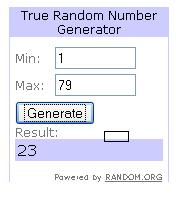 Purex Complete Crystals Winner