
-
Affiliates
My Go-To Tips for Meal Prepping on a Sunday Afternoon
Sunday afternoons are when I try to make the upcoming week feel a little less frantic. With kids, work, errands, and the constant stream of dishes, having a few meals and ingredients ready can change the entire rhythm of our evenings. I am not aiming for a refrigerator filled with perfectly matched containers. I just want fewer decisions when everyone is hungry.
Meal prepping works best for me when it is simple, flexible, and based on foods my family will actually eat. A few cooked ingredients, washed produce, and easy breakfast options are usually more useful than an ambitious plan that takes the entire day.
The goal is to create breathing room. When dinner is partly prepared and lunch ingredients are easy to grab, I have more energy for the children, household tasks, and the parts of the evening that matter.
Start with a realistic menu
I begin by looking at the family calendar before deciding what to cook. If we have sports, appointments, or a busy work evening, I plan something quick for that night. A slow-cooker meal, tacos, pasta, or leftovers can prevent the temptation to order takeout when the afternoon gets away from us.
I usually choose two main proteins, one or two carbohydrates, and several fruits or vegetables that can be mixed into different meals. For example, roasted chicken can become dinner, salad topping, or a filling for wraps. Cooked rice can accompany a stir-fry or become a quick rice bowl with beans, cheese, and salsa.
Keeping the menu flexible also helps with picky eaters. I can serve the same basic ingredients in separate ways instead of making several completely different meals. The children may skip the vegetables one night, but they still have familiar foods on the plate.
Shop with the week in mind
Before grocery shopping, I check the pantry, freezer, and refrigerator. This prevents me from buying another package of pasta or forgetting that there is already a bag of frozen vegetables available. I write down meals first, then the ingredients needed to complete them.
I also think about snacks and quick breakfasts. Yogurt, granola, hard-boiled eggs, sliced fruit, cheese, muffins, and whole-grain crackers are easy options for busy mornings. Having these foods visible and ready keeps everyone from grazing on whatever happens to be closest.
When I get home, I put away groceries that do not need attention and leave the ingredients for meal prep together. I wash produce, clear the counters, fill a water bottle, and set out cutting boards and storage containers. A prepared workspace makes it easier to begin instead of finding another chore to do first.
Prep in a few focused rounds
I do not try to cook every meal from scratch in one long session. I work in rounds so that something is always cooking while I handle another task. The oven can roast vegetables and chicken while rice cooks on the stove, and I can wash fruit or portion snacks during those cooking times.
My usual order is to start with the longest tasks, such as roasting, baking, or simmering. Next, I chop vegetables, prepare salad ingredients, and portion snacks. Once the cooked food has cooled, I divide it into containers or store the ingredients separately for better texture.
I set a timer for each round because it keeps me moving and stops me from getting distracted. Even a 60-to-90-minute session can produce enough prepared food to make several weekdays easier. If I only have 30 minutes, I focus on one protein, one vegetable, and breakfast items rather than abandoning the whole plan.
Combine ingredients instead of making identical meals
A useful meal prep routine gives me building blocks rather than five identical dinners. Cooked chicken, roasted sweet potatoes, rice, chopped lettuce, and a simple dressing can become bowls, wraps, salads, or dinner plates. This keeps leftovers from feeling repetitive.
| Prep item | Easy uses during the week | Storage note |
|---|---|---|
| Roasted chicken | Wraps, salads, rice bowls, soup | Refrigerate in shallow containers |
| Cooked rice or quinoa | Stir-fries, burrito bowls, side dishes | Cool quickly before storing |
| Chopped vegetables | Snacks, omelets, pasta, lunch boxes | Keep crisp vegetables dry |
| Washed fruit | Breakfast, snacks, yogurt toppings | Store berries with airflow |
| Homemade sauce or dressing | Salads, roasted vegetables, sandwiches | Use a small sealed jar |
I keep sauces, crunchy toppings, and fresh herbs separate until serving. This small step helps meals taste fresher and prevents soggy salads or softened tortillas. It also lets each person customize a bowl or wrap according to what they like.
Portioning some food into individual containers is helpful for lunches, while larger containers work better for family dinner ingredients. I use labels when something needs to be eaten early in the week, especially leftovers with a shorter shelf life.
Make weekday mornings easier
Breakfast is one of the easiest places to save time. I might prepare overnight oats, bake egg muffins, portion cereal and fruit, or place smoothie ingredients together in the freezer. These small preparations reduce the number of steps required when everyone is trying to get dressed and out the door.
My morning routine ideas also remind me that preparation is about protecting my energy, not creating a picture-perfect schedule. When breakfast is simple and backpacks are partly organized, the whole house feels calmer before the day really begins.
For lunches, I keep a small “grab zone” in the refrigerator with prepared proteins, fruit, vegetables, and snacks. The children can choose from a few options, and I can assemble my own lunch without opening every container in the kitchen. Giving everyone limited choices makes the routine easier without making it complicated.
Keep food safe and the process flexible
Prepared food should be cooled and refrigerated promptly, with cooked items stored in shallow containers so they chill more evenly. I avoid packing hot food into tightly sealed containers and check the refrigerator before adding anything new. Food that will not be eaten soon can go into the freezer in clearly labeled portions.
I also leave room for plans to change. A meal may be skipped because we go out, a child may suddenly dislike something, or I may simply be too tired to cook. Prepared ingredients can move to another day, become part of a new meal, or be frozen before they are forgotten.
The routine should serve the family rather than become another source of pressure. My most successful Sunday afternoons are the ones when I finish with enough food to help, a reasonably clean kitchen, and some energy left for the rest of the evening.
Keep these staples ready
A few dependable ingredients make weekly food preparation much easier:
- Eggs, yogurt, and cheese for quick breakfasts and snacks
- Cooked rice, pasta, potatoes, or quinoa for filling meal bases
- Chicken, beans, tuna, or another simple protein
- Washed fruit and cut vegetables for lunch boxes
- One versatile sauce, dressing, or seasoning blend
I do not always prepare every item on the list. I choose the combination that matches the week ahead and our grocery budget. Sometimes washing grapes and cooking a batch of rice is all I can manage, and that still counts as useful preparation.
Meal prepping on Sunday afternoon has become less about doing everything and more about making the next few days easier. A little chopping, cooking, and organizing can save time when the children are tired and dinner needs to happen quickly.
Save these ideas for your next grocery trip, choose a few realistic tasks, and build a Sunday routine that gives your family more calm during the week.


 Durex House Party “He Said/She Said” Challenge [Giveaway]
![Durex House Party: Introducing the LOVE BOX [Giveaway]](/wp-content/uploads/HLIC/2ed7178346e419ad5c79280a7d5dd0aa.png) Durex House Party: Introducing the LOVE BOX [Giveaway]
Durex House Party: Introducing the LOVE BOX [Giveaway]
![Welcome to the Durex House Party [Giveaway]](/wp-content/uploads/HLIC/b3517de65f98905a68b0497aa5152005.png) Welcome to the Durex House Party [Giveaway]
Welcome to the Durex House Party [Giveaway]
 Nursing Scrubs
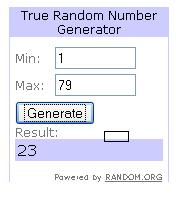 Purex Complete Crystals Winner