
-
Affiliates
A nighttime ritual for calmer school nights
The nighttime ritual that helps our kids wind down after a busy day began as a simple response to a familiar problem: everyone was tired, but nobody felt ready for sleep. Bedtime had become a negotiation involving drinks, toys, one more story and endless requests for just five more minutes.
We knew our children needed more consistency, not another complicated schedule. So we built a short sequence of familiar things that tells them the day is over. It now takes about forty-five minutes, although the exact routine changes as our children get older.
When bedtime became a nightly battle
Our youngest child once burst into tears because it was suddenly dark. There was no bad dream and nothing urgent, so I sat with him and asked what was wrong. He explained that the day felt as if it had been switched off too quickly, leaving him feeling unsettled and disconnected from everything that had happened.
That conversation changed how I thought about bedtime. Winding down is not simply stopping activities; it gives a busy mind time to move from school, friends and endless energy towards rest. When that transition disappears, children may fill the silence with questions and protests because they do not know what should happen next.
Screens made the problem worse for us, particularly when a school day already included a long stretch of learning in front of a screen. We eventually made our school-week screen-time decision and began moving devices away earlier in the evening. That one change did not solve everything, but it created space for the rest of our routine to work.
Fitting the routine into Australian family life
A routine only works if it survives school runs, work rosters and the reality of being a busy mum. In Australia, many families manage the hours between school finishing around 3 pm and adults leaving work much later. Paid after-school care often covers that gap, but the pick-up run and the tired behaviour that follows can make the evening feel rushed.
Kindy and childcare days add another layer. A child who has spent the afternoon painting, running and socialising may need a longer transition than one who has had a quiet day at home. On those afternoons, we use a simple dinner, an early bath and fewer activities. Flexibility matters more than following the plan perfectly.
Our sequence is deliberately low-cost. A glass of milk, a banana or some crackers can be enough, and the calm reading corner does not need special equipment. Australian summer evenings also take some planning because daylight lingers well past bedtime, so we close the curtains and switch on the heater before the room becomes uncomfortable rather than relying on darkness to signal sleep.
The small pieces that signal sleep is coming
Our routine works because each step prepares the children for the next one. It is less about an impressive bedtime routine and more about sending clear signals that the day is winding down.
| Part of the routine | Quick version | Fuller version | What it helps with |
|---|---|---|---|
| Transition home | Change clothes and have a drink | Change clothes, drink and chat | Leaves school and travel behind |
| Quiet play | Draw for five minutes | Build with blocks or complete a puzzle | Moves energy into something calmer |
| Snack and dinner | Fruit and crackers | Nut-free spread, fruit and yoghurt | Prevents hunger from delaying bedtime |
| Bath and pyjamas | Wash and brush teeth together | Bath, pyjamas, teeth and hair | Creates an unmistakable home routine |
| Wind-down | One short story | Choice of story, chat or audio | Gives the mind time to settle |
| Lights out | Say goodnight and leave | Check the room, tuck them in and leave | Provides a consistent finish |
The order matters more than the length. We have learned to keep conversations about school, friends and tomorrow’s activities for earlier in the evening. Once we are reading, we keep the focus on the story rather than reopening every disagreement from the day.
Sibling differences also matter. Our older child enjoys ten quiet minutes with a book, while the youngest needs a physical activity such as stretching or walking around the hallway. Both are useful ways to burn off leftover energy without returning to the frenetic play that usually precedes a difficult bedtime.
Keeping the routine realistic
Not every evening runs smoothly. There are late sports practices, streaming birthday parties, homework emergencies and the occasional bug or spilled drink. On those nights, we keep only the non-negotiable parts: teeth, pyjamas, water and a story. The routine should not make an already difficult evening feel like another failure.
We also adjust for the arvo rather than pretending our children are identical. A child who has been running around an oval may need movement, while a child who has spent the afternoon listening to loud music at childcare may need silence. The sequence stays recognisable even when the activities change.
Weekends give us room to prepare. I sometimes browse the Sunday activity ideas on Sundays with Sophie when the children need a fresh project, but even a walk to the local library or a craft at the kitchen table works. These activities are not part of the bedtime routine; they simply prevent the children from arriving at bedtime with completely unused energy.
The biggest change has been accepting that consistency can be quiet. We do not need a perfect run-through every night. We need the same reassuring signals often enough that the children know what comes next.
Make tonight’s bedtime gentler
Choose one small element to begin with rather than rebuilding everything at once. It could be drawing the curtains before dinner, preparing pyjamas earlier, giving each child five minutes of quiet reading or keeping screens in another room after dinner. Repeating the same choice for a week will tell you whether it genuinely helps.
Then involve the children. Let them choose the snack, select one book or decide whether the final conversation happens upstairs or on the back step. They are more likely to accept a routine when they have some ownership over it, even if the boundaries remain clear.
Tonight, put one familiar step between the end of the day and the beginning of sleep, then watch what changes over the next few evenings. Choose the first step tonight, and let consistency do the quiet work.


 Durex House Party “He Said/She Said” Challenge [Giveaway]
 Durex House Party: Introducing the LOVE BOX [Giveaway]
 Welcome to the Durex House Party [Giveaway]
 Nursing Scrubs
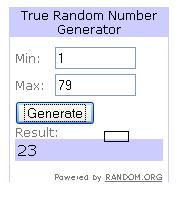 Purex Complete Crystals Winner