
-
Affiliates
Why we decided to limit screen time during the school week
In our house, screens are part of everyday life. They help with schoolwork, keep us connected, provide entertainment, and sometimes give everyone the quiet break they need. I am not trying to make technology the enemy or create a childhood completely free from television, tablets, and video games. Learn more about Giveaway Corral.
The problem was that weekday screen use slowly became harder to manage. A few minutes after school could turn into an entire evening, and “one more episode” often pushed homework, dinner, bath time, and bedtime later than planned. The children were tired, I was repeating myself, and our evenings felt rushed.
That is why we decided to limit screen time during the school week. The goal is not punishment. It is to create a calmer family routine, protect sleep, and make room for responsibilities and time together.
When screen time started affecting our evenings
The first sign was how difficult transitions became. Turning off a show could lead to arguing, frustration, or requests for extra time. Even when the children had only watched for a reasonable amount of time, stopping still felt like a major event.
I also noticed that screens were taking the place of activities we value. Reading, playing outside, talking at the table, and simply being bored were happening less often. Boredom can be uncomfortable at first, but it also gives children space to imagine, create, and decide what they want to do without an app choosing the next activity.
School nights already require a lot from everyone. Children need to unpack, complete assignments, prepare for the next morning, and get enough sleep. When entertainment takes up the flexible part of the evening, those basic routines become much more stressful.
Our new weekday approach
We chose a simple rule: entertainment screens are limited or skipped on most school nights. Educational assignments, family movie nights, and occasional exceptions still have a place. The important difference is that recreational screen use is no longer the default activity between getting home and going to bed.
We also put the expectations in plain language. The children know when screens are available, what needs to happen first, and where devices go at bedtime. Clear boundaries work better for us than making a new decision every afternoon.
I try to keep the rule consistent without pretending every day will look identical. A sick day, a special event, or an unusually difficult afternoon may call for flexibility. A family plan should support real life, rather than create another source of pressure.
What changed in our household
The biggest change has been the pace of the evening. Without a long block of television or gaming in the middle, we move through homework and dinner with fewer interruptions. There is more time to notice how everyone is doing instead of hurrying from one task to the next.
Bedtime has improved too. Bright screens and exciting content close to sleep can make it harder for children to settle down. Removing that stimulation gives us a better chance of ending the day peacefully. The routine is still imperfect, but late-night negotiations are less common.
I have also had to examine my own habits. Children notice when adults say, “Put that away,” while checking a phone during dinner. I am trying to model the same boundaries by leaving my device in another room during family time and avoiding unnecessary scrolling when the children are nearby.
| Weekday moment | Before the change | After the change |
|---|---|---|
| After school | Screen time began quickly | Snack, conversation, and responsibilities came first |
| Homework | Often interrupted by shows or games | Completed before recreational media |
| Dinner | Devices were easy to reach | Meals became more focused on family |
| Bedtime | Delayed by one more episode | A calmer, more predictable wind-down |
| Free time | Children expected entertainment | Reading, play, crafts, and outdoor time returned |
Making room for better alternatives
Limiting screens only works when children have other choices. We keep books, coloring supplies, board games, puzzles, and simple craft materials accessible. A walk, music, baking, or helping with dinner can also fill a short stretch of time.
Some alternatives are wonderfully ordinary. Folding laundry while talking, sorting toys, listening to an audiobook, or playing outside does not need to become a special project. The point is to reconnect with activities that do not demand constant attention or compete to be more exciting every few seconds.
There is also room for my own work and interests. Blogging often includes entertainment, reviews, and promotional opportunities, so media is naturally part of our household. Looking back at posts such as nursing scrubs reminds me that family life has always included work, responsibilities, and personal interests. The goal is balance, not eliminating every screen.
Handling resistance without making it a battle
The children did not celebrate the new limits immediately. Complaints were expected, especially when the old routine had become familiar. I try to acknowledge the disappointment without debating the boundary every day: it is okay to be unhappy, and the weekday plan still applies.
Warnings help with transitions. Giving a ten-minute reminder and then a five-minute reminder makes shutting down a device feel less sudden. A visible clock or timer can also keep the parent from becoming the only source of bad news.
We avoid using screen time as the reward for every desirable behavior. If children learn that chores, kindness, or homework always lead to a device, the screen becomes even more powerful. Praise, extra time together, choosing dinner, or picking a family activity can be meaningful rewards too.
Keeping the routine realistic
There are still weekends, holidays, travel days, and rainy afternoons. We allow more flexibility when the school schedule is not demanding, while keeping sleep and family expectations in mind. This makes the weekday boundary feel purposeful rather than permanent.
I also remind myself that one difficult night does not erase the progress we have made. Parenting routines need adjustment as children grow, activities change, and family schedules shift. We can revisit the plan without abandoning the reasons we created it.
A few practices have made the change easier:
- Set the weekday limit before the children are already absorbed in a show or game.
- Keep chargers and devices outside bedrooms overnight.
- Offer two or three screen-free choices instead of saying only “find something to do.”
- Protect dinner and the bedtime routine from recreational media.
- Make exceptions intentional, brief, and easy to explain.
The real benefit has been feeling more present during the ordinary parts of the day. We have more conversations, fewer rushed transitions, and a clearer separation between school responsibilities and entertainment. Screens still have a place in our family, but they no longer control the rhythm of our school nights.
Start with one small weekday boundary, explain it calmly, and give your family time to adjust. A consistent screen-time routine can create room for sleep, connection, and the simple family moments that are easy to miss when every spare minute is filled.


 Durex House Party “He Said/She Said” Challenge [Giveaway]
![Durex House Party: Introducing the LOVE BOX [Giveaway]](/wp-content/uploads/HLIC/2ed7178346e419ad5c79280a7d5dd0aa.png) Durex House Party: Introducing the LOVE BOX [Giveaway]
Durex House Party: Introducing the LOVE BOX [Giveaway]
![Welcome to the Durex House Party [Giveaway]](/wp-content/uploads/HLIC/b3517de65f98905a68b0497aa5152005.png) Welcome to the Durex House Party [Giveaway]
Welcome to the Durex House Party [Giveaway]
 Nursing Scrubs
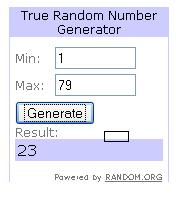 Purex Complete Crystals Winner