
-
Affiliates
The nap transition that nearly broke us and how we survived
Our youngest was three and had decided that daytime naps were finished. What she had not decided was how to get through a late afternoon without falling asleep in the car. One Tuesday, she reached the shops still in her day pyjamas, then melted down over a muesli bar while I negotiated parking. I called it a bad afternoon. My husband called it the day the nap transition nearly broke us.
That was only the visible part. Behind it were missed sleeps, short tempers and two parents trying to work while also providing emergency entertainment. We had expected a neat switch from daytime sleep to nighttime sleep. Instead, everyone was tired and nobody was content. Surviving it required less stamina than we thought and more honesty than expected.
When the day sleep started disappearing
At three, dropping the midday nap can be a normal part of growing up, but no switch fits every child. Our daughter gave up one long sleep, then became oddly attached to a short sleep in the car. We had assumed she was ready or not ready. Her need for sleep was changing more gradually.
Our centre built quiet sleep into the day, with children on cots or mats, while family childcare and home routines often differed. She might sleep for thirty minutes at centre, then need the late-afternoon sleep she had refused at home. In Australia, that difference between care settings can be confusing for parents.
Bedtime battles were obvious; the bigger problem was that no part of the day fitted together. I kept thinking about our country-to-city move and how we explain big changes plainly: something new is happening, everyone has feelings, and nobody is broken for struggling.
The week the whole routine collapsed
The breaking point came on a Thursday when every scheduled activity collided. She was overtired after lunch, refused the car, cried over socks and then fell asleep for ten minutes before we reached home. I was knackered, my husband was late, and dinner became sandwiches beside the sink.
We had been treating the midday nap like a switch we could flick on and off. Instead, we were managing an overtired child in the arvo, when easy tasks became enormous and everyone wanted to lie on the floor. I began dreading the gap between three and five o’clock.
Skipping childcare did not help. Many Australian centres charge by a care block, so shortening a booking still triggered the full fee. We paid for availability whether we used it or not. A quiet day at home was cheaper emotionally, but not financially.
Reading the clues beneath the tantrum
The first useful clue was that our daughter was not fighting sleep itself. She was fighting the boring stretch before she could have it. By late afternoon, her body was tired, her patience had vanished and the smallest request felt unfair.
A short centre nap sometimes bought enough energy for pickup, but not enough for smooth bedtime. We stopped calling every early sleep a failure and started asking what the rest of the day contained. Was there a long car journey? Had lunch been late? Had everyone rushed?
The answer was usually yes. More importantly, we realised that quitting naps did not mean removing all rest. It meant replacing one predictable sleep with smaller pockets of quiet, movement and connection. Once we saw the transition that way, it felt less like taking something away.
Building a rhythm with room to breathe
We kept the wake-up time, lunch and pickup windows steady, then built a short quiet period into the late afternoon. It was not labelled a nap. We called it rest, and she chose books, drawing or listening to music in her own time.
On tough days, we shortened the outing instead of cancelling it. A quick Coles run or a walk to our local park, with a water bottle and sunscreen hat, was often enough. Australian January heat and high UV made staying indoors tempting, but shade beat a stressed drive across town.
Evening wind-down moved earlier by fifteen minutes, then twenty. We let her help prepare dinner and kept lights low later. This did not create a perfect routine, but it softened the edges while her sleep reorganised itself.
A practical checklist for calmer afternoons
The plan became simple enough to remember on the sleep-deprived days. For an activity during a restless stretch, I borrowed one idea from Emily's project list, but most days needed nothing more elaborate than watercolour, a puzzle or a toasted sandwich.
- Keep one predictable quiet window, even if it is only twenty minutes and she does not sleep.
- Watch for early signs of fatigue: yawning, heavy limbs, repeated questions and sudden tears.
- Offer food and water before the difficult part of the afternoon arrives.
- Make the next activity small and familiar, such as books, drawing or a short walk.
- Bring a spare outfit, sun hat and water bottle for every car trip in hot weather.
- Move bedtime earlier gradually rather than waiting for exhaustion to force the change.
If one afternoon went sideways, we did not restart the whole plan the next day. We returned to the same wake-up, meal and quiet-window anchors. That continuity mattered more than getting every step exactly right.
The support that changed our household
The biggest support came from multigenerational living, because it gave us more adults in the daily timetable. My mother could collect our daughter while I finished work, and my husband could handle a late-afternoon reset without racing me for the job.
We gained backup for school-run errands, birthdays and sick days. Our kitchen became the after-school hub, and tea for my mum became a handover for everything the three of us had missed.
Most importantly, we stopped treating the transition as my private test. The family could laugh about the socks, share a workable plan and let someone else take the next turn. Calm came from shared responsibility and a bit of grace.
Keeping calm when the plan changes
We survived by treating the transition as a gradual change in the shape of the day, not a test to pass in seven days. Once rest was no longer a battle over a bed, the rest of our family could breathe again.
If this is happening in your home, save this checklist, share it with the parent who looks equally exhausted, and add your own survival tip in the comments. We do not need perfect plans for real family life; we need plans we can keep using on the arvo.


 Durex House Party “He Said/She Said” Challenge [Giveaway]
 Durex House Party: Introducing the LOVE BOX [Giveaway]
 Welcome to the Durex House Party [Giveaway]
 Nursing Scrubs
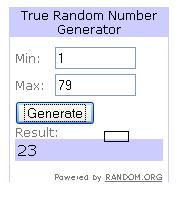 Purex Complete Crystals Winner