
-
Affiliates
Helping Our Kids Find Their Place in City Life
Moving from the country to the city changed nearly every part of our family’s daily rhythm. We traded open fields, familiar roads, and plenty of outdoor space for traffic, apartment buildings, crowded sidewalks, and a much faster pace. The move was exciting for us, but we knew our children might experience it differently.
Talking to our kids about moving from the country to the city meant giving them honest information without making the change feel frightening. We wanted them to understand why we were moving, what would be different, and which parts of home life would stay exactly the same.
There was no single perfect family conversation. Instead, we returned to the subject often, answered questions as they came up, and gave our children room to feel happy, sad, nervous, and curious all at once.
We started with simple, honest explanations
We avoided making the move sound like an adventure where everything would be wonderful immediately. Children can tell when adults are glossing over something, and vague reassurance would have left them with more uncertainty. We explained that our family needed a different setup and that city living would bring new opportunities as well as adjustments.
Our conversations were suited to each child’s age and personality. Some kids wanted practical details, such as where they would sleep and how they would get to school. Others focused on friends, pets, parks, or whether they would still be able to ride bikes. We answered the question in front of us instead of overwhelming them with every detail at once.
We also made it clear that moving was an adult decision and not something the children had caused. That distinction helped remove unnecessary guilt and allowed them to focus on processing the change.
We made space for mixed emotions
Our children did not have one consistent reaction. One day they could be thrilled about exploring a new neighborhood, and the next day they could miss the quiet of the country. We treated both responses as normal rather than expecting them to choose between excitement and sadness.
We talked about the things we would miss, too. Saying goodbye to familiar places, neighbors, routines, and favorite outdoor spots deserved attention. Sharing our own feelings showed the kids that missing home did not mean the move was a mistake or that we could not eventually feel comfortable in our new surroundings.
When worries surfaced, we tried not to dismiss them with quick answers. “You will be fine” may be meant kindly, but it does not always help a child feel heard. We listened first, then worked together on something specific that could make the concern feel smaller.
We focused on what would stay familiar
During a major transition, familiar family traditions become especially important. We reassured our kids that our bedtime routines, favorite meals, holiday traditions, and regular family time would continue. Those steady pieces helped make an unfamiliar home feel more like ours.
We brought meaningful belongings with us rather than treating the move as a complete reset. Favorite blankets, toys, books, artwork, and photos helped each child create a personal corner in the new space. Even small decorations made a difference because they connected the city home to the life we had already built.
We also looked for ways to carry country habits into city living. We could not recreate the same yard, but we could spend time outdoors, visit green spaces, grow a few plants, and make weekend walks part of our routine. The setting changed, but our family’s need for fresh air and time together did not.
We prepared for the everyday differences
The biggest adjustments were often ordinary ones. City life involved more noise, less private outdoor space, busier roads, shared entrances, and different expectations around safety. We discussed these changes before they became stressful so the kids could understand the reasons behind new rules.
We walked through the neighborhood together and pointed out crosswalks, building entrances, nearby stores, playgrounds, and places where we could ask for help. Practicing the route to school and learning basic pedestrian safety gave the children a sense of independence without expecting them to manage everything immediately.
| Country routine | City adjustment | Family approach |
|---|---|---|
| Playing outside without much planning | Choosing supervised parks and playgrounds | Identify safe places together |
| Driving nearly everywhere | Walking, public transportation, or shorter drives | Practice routes before busy days |
| Quiet evenings | Traffic, neighbors, and building sounds | Create calming bedtime routines |
| Large storage areas | Smaller rooms and shared spaces | Sort belongings as a family |
| Familiar local faces | A larger, less predictable community | Learn names and build connections |
Packing for outings also required a new mindset. A quick trip could include walking, waiting, snacks, weather changes, and unexpected bathroom needs, so we became more intentional about what we carried. Our guide to packing a diaper bag helped us think through the practical details of city days with younger children.
We gave the kids ways to participate
Children handle change better when they have some ownership, even if they are not making the major decisions. We invited our kids to help choose room colors, arrange belongings, select a first family outing, and decide which familiar items should be unpacked first.
We created small milestones around the move instead of treating the entire transition as one overwhelming event. Exploring a new park, finding the closest library, trying a neighborhood restaurant, or taking a first walk to school gave us positive experiences to remember.
Participation did not mean pretending the children had control over every outcome. It meant showing them that their opinions mattered and that this new chapter belonged to the whole family. Their choices helped turn an unfamiliar city into a place they could gradually recognize as home.
Small habits helped us settle in
Once we arrived, consistency mattered more than a dramatic effort to make everything perfect. We kept meals and bedtime as predictable as possible, checked in about school and friendships, and made time for unhurried conversations. These habits gave the children a safe place to talk after busy or confusing days.
A few simple practices made the transition easier:
- Visit the same nearby park regularly so the neighborhood becomes familiar.
- Keep one or two comforting country traditions in the weekly routine.
- Practice walking and traffic safety until the rules feel automatic.
- Let each child choose a personal item or activity that connects them to the new home.
- Check in privately so quieter children have room to share their feelings.
We also paid attention to behavior instead of relying only on direct conversations. Irritability, trouble sleeping, clinginess, or sudden frustration can be signs that a child is still adjusting. Extra patience and one-on-one time often communicated reassurance more effectively than another long explanation.
We allowed belonging to grow slowly
We hoped our children would love city life right away, but we learned that belonging takes time. A new neighborhood becomes familiar through repeated experiences: recognizing a bus stop, greeting a neighbor, finding a favorite snack at the local store, or seeing the same families at the playground.
The children did not have to stop loving the country in order to appreciate the city. We encouraged them to keep those memories and talk about them. Their old home remained part of their story, while their new surroundings gradually added new friendships, skills, and family experiences.
Our conversations about the move continue even now. We talk about what has become easier, what we still miss, and which parts of city life have surprised us. If your family is preparing for a move, begin with honesty, listen without rushing the emotions, and build familiar routines wherever you land. Take the conversation one day at a time and let your children help make the new place feel like home.


 Durex House Party “He Said/She Said” Challenge [Giveaway]
![Durex House Party: Introducing the LOVE BOX [Giveaway]](/wp-content/uploads/HLIC/2ed7178346e419ad5c79280a7d5dd0aa.png) Durex House Party: Introducing the LOVE BOX [Giveaway]
Durex House Party: Introducing the LOVE BOX [Giveaway]
![Welcome to the Durex House Party [Giveaway]](/wp-content/uploads/HLIC/b3517de65f98905a68b0497aa5152005.png) Welcome to the Durex House Party [Giveaway]
Welcome to the Durex House Party [Giveaway]
 Nursing Scrubs
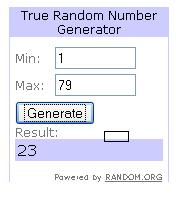 Purex Complete Crystals Winner