
-
Affiliates
Making Mealtimes A Family Skill
Getting kids involved in meal preparation can turn an ordinary dinner into useful family time. Children learn about food, practise independence and become more willing to taste ingredients they have helped wash, chop or assemble. The aim is not to create a tiny chef who can produce a restaurant-quality meal, but to give each child a manageable role.
Family routines look different in a Sydney apartment, a Brisbane townhouse or a regional Australian kitchen, so there is no single perfect method. A small bench, a few basic tools and enough time for children to work safely are all you need to begin.
Start With Realistic Tasks
The best jobs match a child’s age, attention span and confidence. Toddlers can rinse vegetables, tear lettuce, add pre-measured ingredients to a bowl or place toppings on homemade pizza. Primary-school children may stir sauces, peel boiled eggs, measure rice and help pack lunch boxes.
Older children can take greater responsibility by reading a recipe, preparing a simple salad or assembling wraps. They still need supervision around hot pans, sharp knives and appliances, but allowing them to complete a real part of dinner makes the experience feel meaningful. A predictable morning routine can also create space for small preparation jobs before the day becomes hectic.
Avoid handing over a long list of instructions. Give one or two jobs at a time, explain what “finished” looks like and allow children to work at their own pace. A little mess is part of learning, especially when flour, grated cheese or water is involved.
Build A Safe Kitchen Routine
Safety rules should be simple and repeated often. Children need to know which drawers they can open, where they may stand and when an adult must take over. Keep handles turned inwards on the stovetop, place hot trays well away from the bench edge and supervise any use of a peeler, grater or knife.
A stable step stool can help younger children reach the bench, while a damp tea towel beneath a mixing bowl stops it sliding. Teach handwashing before food preparation, after touching raw meat and after using the toilet. Australian families should also take extra care with food during hot summer weather, placing dairy, meat and leftovers in the fridge promptly.
Food allergies require careful attention. Packaged food sold in Australia must declare regulated allergens under the national Food Standards Code, but children still need guidance about checking labels and avoiding shared utensils. A child with an allergy should never be expected to judge whether a food is safe without an adult’s help.
Let Children Choose And Prepare
Giving children limited choices is an easy way to increase cooperation. Instead of asking what they want for dinner, offer two practical options: rice or pasta, carrots or cucumber, chicken or beans. They can choose a vegetable for the shopping list, select fruit for school snacks or decide whether tacos will have avocado, corn or grated carrot.
A visit to a local farmers market can make ingredients more interesting. Children may be more curious about mangoes in Queensland, apples from the Adelaide Hills or fresh herbs bought at a Melbourne market when they have chosen them themselves. Supermarket shopping can work just as well: ask them to find items on the list, compare prices or count the number of bananas needed.
Preparation should involve sensory discovery without pressure to eat. Let children smell fresh basil, feel a pumpkin seed or compare the colours of capsicums. Tasting is encouraged, but forcing a disliked food can turn the kitchen into a battleground.
Make Small Jobs Feel Important
Children often participate more happily when their task has a clear purpose. They can wash and dry lunchbox fruit, fill water bottles, portion popcorn for an outing or arrange prepared vegetables on a roasting tray. These contributions save parents time while teaching useful household skills.
Quick Jobs For Younger Children
- Tear spinach or lettuce into a salad bowl
- Stir pancake batter with an adult nearby
- Match container lids after food preparation
- Sprinkle cheese or herbs over a meal
Jobs For Older Children
- Read recipe steps aloud and gather ingredients
- Measure dry ingredients or portion snacks
- Assemble sandwiches, wraps or lunch boxes
- Wash safe dishes and wipe the preparation area
Praise the process rather than the result. “You kept trying to fold that wrap” is more useful than saying a meal looks perfect. Children who learn that mistakes can be fixed are more likely to keep participating as recipes become more complicated.
Make Weeknight Cooking Work
Weeknight meals need to be practical, particularly for families managing school pick-up, sport and long commutes in cities such as Perth, Melbourne or Sydney. Batch preparation at the weekend can give children short, focused jobs: washing lettuce, sorting snack containers, mixing a marinade or labelling leftovers with the date.
Keep a few flexible ingredients available so children can help without delaying dinner. Cooked rice, eggs, frozen vegetables, tinned beans and wraps can become several different meals. Children might build their own burrito bowl, add toppings to toast or portion ingredients for fried rice while an adult handles the hot wok.
Include local everyday habits such as preparing school lunches the night before or making a shared barbecue salad on the weekend. A child who is too tired to cook can still put cutlery on the table, choose music or help place leftovers into containers. Participation does not have to happen at the stove to count.
Keep Participation Positive
Some days children will be enthusiastic, while other days they will refuse, argue or wander away. Keep the invitation open without making every meal a test of cooperation. A five-minute job is still worthwhile, and children can gradually build stamina for longer preparation sessions.
Try to avoid comparing your family with polished food videos or other parents’ posts. Every household has different schedules, budgets and energy levels, and parenting comparison can make a simple routine feel like another performance. A child eating cereal while an adult prepares dinner does not erase the progress made on other days.
Celebrate practical milestones: the first time a child cracks an egg, remembers to wash their hands or packs fruit without being reminded. Over time, these small moments develop confidence, food awareness and shared responsibility. Meal prep becomes less about getting help immediately and more about raising children who can care for themselves and contribute to family life.
Choose one small task for each child this week, prepare the workspace before they begin and let them take genuine ownership of the job. With patience and repetition, cooking together can become a relaxed part of everyday family life.


 Durex House Party “He Said/She Said” Challenge [Giveaway]
![Durex House Party: Introducing the LOVE BOX [Giveaway]](/wp-content/uploads/HLIC/2ed7178346e419ad5c79280a7d5dd0aa.png) Durex House Party: Introducing the LOVE BOX [Giveaway]
Durex House Party: Introducing the LOVE BOX [Giveaway]
![Welcome to the Durex House Party [Giveaway]](/wp-content/uploads/HLIC/b3517de65f98905a68b0497aa5152005.png) Welcome to the Durex House Party [Giveaway]
Welcome to the Durex House Party [Giveaway]
 Nursing Scrubs
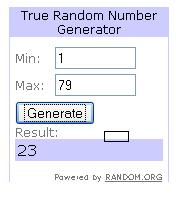 Purex Complete Crystals Winner