
-
Affiliates
Our morning routine that saves my sanity before 8 AM
Before I had kids, mornings felt like a quiet runway for the day. Now they are more like a busy airport, with missing shoes, changing moods, half-finished breakfasts, and at least one person who cannot find the item sitting directly in front of them. Getting everyone out the door before 8 AM takes planning, patience, and a willingness to laugh when the schedule falls apart.
I have learned that a peaceful morning does not come from making every minute perfect. It comes from removing as many decisions as possible before the day officially begins. Our family routine is simple, flexible, and designed for real life rather than a picture-perfect parenting post.
The goal is not to create silent, perfectly matched children who spring out of bed at the first alarm. The goal is to protect my energy, keep the household moving, and begin the day without feeling as though I have already run a marathon.
The night-before reset
Our morning really starts after dinner. I spend a few minutes checking backpacks, looking at the next day’s schedule, and making sure permission slips or school supplies are where they need to be. This small evening reset saves me from searching through papers while everyone is waiting by the door.
Clothes are chosen before bedtime whenever possible. I do not insist on perfectly coordinated outfits, but having clean clothes ready prevents the classic early-morning debate over whether a favorite shirt is acceptable for the third day in a row. I also place shoes near the entryway, because footwear has a mysterious habit of disappearing overnight.
I keep this preparation short. If the evening has already been hectic, I do the essentials and let the rest go. A routine should make family life easier, not create another list of chores that leaves me exhausted.
The first ten minutes belong to me
My alarm gives me a small head start before the children wake up. I use that time for coffee, water, and a quick look at the day ahead. I do not try to clean the entire house or answer every message. Ten quiet minutes are enough to help me feel like a person before becoming the household manager.
I also avoid grabbing my phone immediately. Scrolling through notifications can turn a calm start into a rush before I have even left the bedroom. A few stretches, a shower, or simply sitting with my coffee helps me begin with a clearer mind.
When work is part of the morning equation, having clothing ready matters just as much. I learned that lesson years ago while balancing a demanding schedule and getting dressed quickly in nursing scrubs at work. Preparing practical outfits ahead of time has always helped me spend less energy on decisions that do not need to happen at 6:30 AM.
Getting the kids moving without a power struggle
The first wake-up call is gentle, but it is also clear. I give the kids a few minutes to become fully awake before repeating the next step. Constant reminders tend to make everyone frustrated, including me, so I keep directions short: get dressed, use the bathroom, come eat.
A visual sequence works better than a long speech. The children know the basic order: clothes, bathroom, breakfast, teeth, shoes, backpack. Some mornings they move through it independently, and other mornings they need more help. I have stopped treating that variation as failure.
Music occasionally helps set the pace, especially when the mood is dragging. A familiar playlist gives the morning some energy without requiring me to raise my voice. It also creates a natural signal that once the last song ends, we need to be heading toward the door.
Breakfast, bags, and the exit zone
Breakfast is intentionally simple on school mornings. We rotate through cereal, toast, fruit, yogurt, oatmeal, and a few make-ahead options. I am happy to serve a meal that takes five minutes if it means we sit down together instead of running around the kitchen in a panic.
The exit zone is a small area near the door where backpacks, coats, shoes, and anything needed for the day are placed. Everyone has a responsibility for putting their belongings there. I still find random objects in strange places, but the system gives us a home base for the items most likely to cause a last-minute scramble.
| Morning block | What we do | Why it helps |
|---|---|---|
| Before the kids wake | Coffee, water, schedule check | I begin calmly instead of reacting immediately |
| Wake-up period | Gentle reminder and basic steps | The children know what comes next |
| Breakfast | Simple food with limited choices | Fewer decisions keep the pace moving |
| Final 15 minutes | Teeth, shoes, bags, bathroom | We catch small problems before leaving |
| Door time | Quick check and departure | Everyone knows the finish line |
The final check is brief: backpack, lunch, shoes, and weather-appropriate clothing. I do not restart the entire morning if something is missing. We solve what we can, accept what we cannot, and keep moving.
Flexibility keeps the routine working
A routine can be helpful without being rigid. Sick days, late nights, appointments, forgotten homework, and unexpected emotions are part of family life. When something unusual happens, I focus on the three priorities that matter most: everyone is safe, the children are cared for, and we leave as close to on time as possible.
I have also learned to build in a little breathing room. If we technically need to leave at 7:45, I treat 7:35 as the real target. Those extra minutes make space for a spilled drink or a missing library book without turning the whole house upside down.
The most important adjustment has been lowering my expectations. A successful morning does not mean every child was cheerful and every surface stayed clean. It means we made it through the busiest part of the day with our relationships intact.
Small habits that protect my patience
The routine works because each person contributes something. Even young children can carry a backpack, put pajamas away, choose between two breakfast options, or place shoes by the door. Their participation may slow things down at first, but it builds independence over time.
I also try to notice what causes the most friction. If mornings regularly fall apart over breakfast, I prepare more food the night before. If finding clothes creates arguments, I offer fewer choices. If leaving is difficult, we move the final alarm earlier. Small changes are easier to maintain than a complete household overhaul.
The habits that help us most are:
- Preparing clothes, bags, and shoes the evening before
- Keeping weekday breakfasts familiar and uncomplicated
- Using the same order of tasks every morning
- Giving children specific jobs instead of general reminders
- Allowing extra time for ordinary delays
Some mornings are still loud. Someone still forgets a folder, spills milk, or changes their mind about breakfast after it is already on the table. The difference is that we have a dependable rhythm to return to, and that rhythm saves my sanity before 8 AM.
Family mornings do not have to look polished to feel successful. A few repeatable habits, realistic expectations, and a little preparation can make room for more patience and less panic. Keep reading Country Girl City Life for more honest stories about parenting, family life, work, and the everyday routines that help us get through it all.


 Durex House Party “He Said/She Said” Challenge [Giveaway]
![Durex House Party: Introducing the LOVE BOX [Giveaway]](/wp-content/uploads/HLIC/2ed7178346e419ad5c79280a7d5dd0aa.png) Durex House Party: Introducing the LOVE BOX [Giveaway]
Durex House Party: Introducing the LOVE BOX [Giveaway]
![Welcome to the Durex House Party [Giveaway]](/wp-content/uploads/HLIC/b3517de65f98905a68b0497aa5152005.png) Welcome to the Durex House Party [Giveaway]
Welcome to the Durex House Party [Giveaway]
 Nursing Scrubs
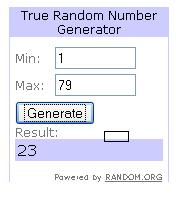 Purex Complete Crystals Winner