
-
Affiliates
Helping Kids Greet New People Without Shyness
Some weeks our children are social butterflies. They wave to the postman, ask the librarian for a sticker and announce their name to anyone within earshot. Then there are the days they tuck behind me at the school gate or study the floor while a friendly neighbour says hello. Both belong to normal family life.
Our goal has never been to turn them into people who perform confidence for every room. We want them to recognise another person, offer a simple greeting and stay comfortable enough to respond. A nod, a wave or a quiet hello all count, especially when a child is still learning who feels safe.
Learning this takes more than telling a shy child to speak up. Adults often say, “Just say hello,” but that instruction skips the rehearsal and emotional work between the child and the unfamiliar person. Our children need usable words, time to notice the interaction and permission to choose how they join it.
Over time, we have used small routines, pretend play and calm reminders to build that confidence. These approaches work in our mix of school runs, playdates and community activities, and they can fit Australian family life without making every encounter a test of extroversion.
Begin with one predictable greeting
We start by choosing one or two greetings and practising them until they feel automatic. A child might use “Hello, I’m Kati,” “Hi, my name is…” or “Nice to meet you.” We keep the wording consistent at home and outside it, often during our morning routine, so the words are familiar before the school gate becomes crowded.
In Australia, “hello” is the easiest option for many children, while “g’day” is a friendly local alternative. Families have different customs, though, so we avoid expecting one child to copy every adult habit. The aim is a greeting the child understands and can use without sounding forced.
A greeting does not need a handshake, a hug or a full conversation. Our children can wave, nod or say hello while keeping a comfortable distance. That flexibility matters because some people prefer limited contact, and children should learn to respect those boundaries too.
Turn the rehearsal into play
Rather than drilling our children like they are memorising a speech, we practise with dolls, soft toys and each other. I might knock on the pretend front door and say, “Hello, my name is Kati. Who lives here?” The child can answer for the toy, swap roles or decide that the visitor has arrived at the wrong house.
I also like the child-centred ideas I found through Amelia’s gentle ideas, especially those that treat communication as a relationship rather than a performance. Our games are short, silly and voluntary. If a child loses interest, we stop without making the rehearsal feel like another obligation.
Play also lets us prepare for awkward moments. We practise meeting a new parent, replying to someone who speaks quietly and saying goodbye without rushing. By repeating these scenes calmly, the child gains a plan for the moment when real life does not provide rehearsal time.
Practise where life already happens
Australian families have plenty of natural opportunities to meet people. There are school gates, kinder groups, playgroups, swimming lessons, T-ball and Little Athletics, library story time and neighbourhood gatherings. Across Sydney, Melbourne, Perth and regional towns, children encounter teachers, coaches, relatives, other parents and neighbours without needing a formal lesson.
We begin with familiar settings and add one new element at a time. At the school gate, we greet another parent while our child holds our hand. At the playground, we practise waving to the dog walker. Later, the same child might try saying hello to the librarian independently. Each step stays small enough for comfort.
An ordinary errand can become useful practice too. At a community event or a Bunnings sausage sizzle, we can point out a safe adult and encourage a simple hello from across the table. Years ago, our Eden Fantasys outing offered another chance to watch how children interact with unfamiliar staff and children. Those spontaneous encounters can teach more than we expect.
Give your child control of the interaction
We offer choices instead of issuing commands. Before meeting someone, we might say, “Would you like to say hello, wave or nod?” This keeps the child involved and shows that there is no single acceptable way to be polite. Sometimes they choose nothing, and we can gently acknowledge that too.
Parents should watch for signs that a child has reached their limit. Turning away, hiding, crying, freezing or squeezing our hand may mean the interaction is too intense. We can say, “You’ve said hello, and now we can step back,” then move somewhere quieter. Leaving is a useful social skill, not a failure.
For younger children, greetings should happen around a trusted adult rather than with an unknown adult alone. We can teach them to move towards a parent, another known adult or a public staff member if they feel worried. Confidence grows when children know they have choices and support.
Notice growth without pressure
We praise the specific effort a child made. “You looked at her and waved” is more useful than “Good job, you were so brave,” because it shows exactly what we noticed. We might celebrate saying hello, making eye contact, approaching a group or choosing to wave from a distance.
We avoid labelling our children as shy or outgoing. Those words can become fixed identities, especially when an adult keeps mentioning them. Instead, we talk about actions: “You were nervous and still said hello,” or “You found a quieter place to take a break.” This reflects the child’s experience without turning personality into a judgement.
We also respect physical boundaries. Some children are comfortable with a hug, while others prefer a wave or handshake. Australian families vary in the kisses and cheek hugs they use, so our children learn to ask, notice and respond without assuming that one custom fits everyone.
Keep welcoming habits in the family
Children learn by watching what adults do, so we make greeting part of normal family behaviour. We say hello to shop assistants, neighbours, other parents and park workers, and we speak to our children while doing it. Our own tone matters. If we hurry through every interaction, our children receive a message about connection. If we are warm and respectful, they can copy that approach.
We also keep a simple rule for family gatherings: everyone gets a chance to greet a newcomer, and no one has to perform. Children can stand beside us, hold a small job such as handing out cups, or greet someone later. A party becomes less intimidating when participation has several gentle entry points.
Choose one small step for the coming week. Practise a greeting at home, use it once at the school gate, and notice the child’s effort without demanding a result. Keep the words short, the choices clear and the pressure low. With patient repetition, meeting someone new can become a quiet act of courage rather than an ordeal.


 Durex House Party “He Said/She Said” Challenge [Giveaway]
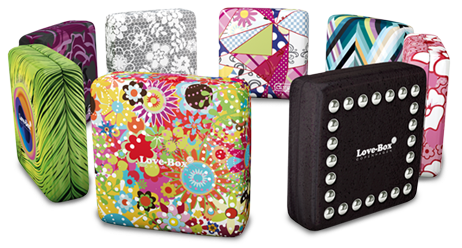 Durex House Party: Introducing the LOVE BOX [Giveaway]
 Welcome to the Durex House Party [Giveaway]
 Nursing Scrubs
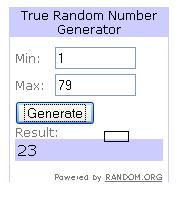 Purex Complete Crystals Winner