
-
Affiliates
Teaching Kids to Apologize With Honesty and Heart
In our family, “sorry” has never been the finish line. It is a starting point. A quick apology can end an argument for the moment, but sincere accountability helps children understand how their actions affect other people and what they can do to make things right. Learn more about Joewikert Com.
Learning this takes time, especially when everyone is tired after school pickup, work, sport and the evening rush. Whether we are managing sibling arguments in a Brisbane kitchen or dealing with hurt feelings after a busy Saturday, we try to focus on honesty rather than forcing a perfect-sounding response.
Start With What Happened
When a child has pushed, shouted, grabbed a toy or said something unkind, I first help them describe the event without adding shame. “You took the Lego from your brother while he was using it” is much more useful than “You were naughty again.” A clear account gives them something real to respond to.
We also name the feeling underneath the behaviour. A child may have been frustrated, jealous, overwhelmed or desperate for a turn. Those emotions are valid, but they do not excuse hurting someone. Separating the feeling from the action teaches children that being upset is acceptable while being cruel or unsafe is not.
This approach is especially useful when siblings are overtired after a school day. It slows the moment down before a rushed “sorry” becomes another battle.
Make The Apology Specific
A meaningful apology includes three parts: naming the action, recognising the impact and expressing genuine regret. We might guide a child towards, “I’m sorry I yelled and made you feel scared. I should have used a calm voice.” That is very different from a flat apology offered only because an adult demanded it.
Young children often need simple prompts rather than a speech. We can ask, “What happened?” “How do you think your sister felt?” and “What could you do differently next time?” The goal is not to make them repeat adult language. It is to help them connect their behaviour with another person’s experience.
We are careful not to insist on eye contact, hugs or immediate physical affection. A child can apologise sincerely while standing nearby, writing a note or speaking once they are calm. Consent matters in family relationships too.
Focus On Repairing The Harm
Words matter, but actions often make an apology believable. If a child knocks over a sibling’s tower, repair might mean helping rebuild it. If they leave someone out of a game, they can invite that person back in. If they damage property, they can help clean up or contribute to replacing it in an age-appropriate way.
Repair is not a punishment disguised as kindness. It is a practical lesson that relationships and belongings deserve care. Sometimes the injured child does not want to play straight away, and we respect that. An apology does not create an obligation for the other person to say, “That’s okay.”
Our family conversations about repair also fit around real life. A forgotten lunchbox, a disagreement on the school run or a meltdown at the shops can be addressed later, once everyone has eaten and settled down. The timing may change, but accountability still matters.
Give Children Useful Words
Children cannot always find the right words when emotions are running high. We practise possible phrases during calm moments, perhaps after dinner or while driving to footy. Role-play can make the language feel familiar without turning every mistake into a formal family conference.
Helpful phrases include:
- “I hurt your feelings when I said that.”
- “I was angry, but I should not have hit.”
- “I’m sorry for breaking your thing.”
- “How can I help fix it?”
We remind them that “but” can weaken an apology. “I’m sorry I shouted, but you annoyed me” shifts the blame. A better version is, “I was annoyed and I shouted. I should have taken a break.”
This does not mean children must accept blame for something they did not do. Sincere apologies require truth. If there is confusion, we listen to everyone involved before expecting anyone to take responsibility.
Show Them What Accountability Looks Like
Children learn from the apologies they hear at home. When I lose my patience, I try to say, “I spoke sharply, and that was unfair. I’m sorry. I’m going to take a minute before we continue.” This shows that adults can admit mistakes without losing authority.
Parenting while working from home can make those moments especially visible. My children see the interruptions, deadlines and occasional frustration, so I want them to see the repair as well. Finding a workable rhythm is something I have written about in working from home, and the same principle applies here: progress comes from small, repeatable habits rather than perfection.
We also apologise to our children when we get something wrong. An adult apology does not mean handing over control to a child. It demonstrates respect and shows that every family member has a responsibility to care for the relationship.
Turn Apologies Into A Family Habit
Sincerity develops through repetition. We talk about kindness when watching television, reading stories or hearing about a disagreement at school. If a character causes harm, we discuss whether their apology changed anything and what repair might have looked like.
Australian family life often involves shared spaces and busy routines, from packed trains in Melbourne to long drives across Perth’s suburbs. Children may need to handle conflict with siblings, cousins, classmates and teammates in many settings. We encourage them to pause, tell the truth and seek help when an issue feels too big to solve alone.
For co-parents, consistency helps. The Family Law Act 1975 places children’s best interests at the centre of parenting arrangements, and respectful communication between adults supports that goal. Even when parents have different households or routines, agreeing that children should acknowledge harm and make amends gives them a steady message.
Everyday reminders can be simple:
- Pause before demanding an apology.
- Listen to each person’s version.
- Look for a realistic act of repair.
- Let trust rebuild over time.
We also avoid treating apologies like prizes or performances. A child does not need to produce a dramatic confession to prove they care. A quiet “I’m sorry I left you out” followed by an honest effort to include someone can be more meaningful than a loud apology delivered under pressure.
Family life includes plenty of imperfect moments, from arguments over the last snack bought at Woolworths or Aldi to disputes about whose turn it is on the PlayStation. Those moments give us chances to practise accountability in ordinary ways. We can even talk about kindness and second chances while browsing family content such as giveaway posts, keeping the conversation relaxed rather than waiting for a major incident.
Keep making room for honest words, changed behaviour and patient repair. When children learn that “sorry” means recognising harm and taking responsibility, they carry that understanding into friendships, school, work and future relationships. Encourage one sincere apology today, then give your child the space and support to show it through their actions.


 Durex House Party “He Said/She Said” Challenge [Giveaway]
![Durex House Party: Introducing the LOVE BOX [Giveaway]](/wp-content/uploads/HLIC/2ed7178346e419ad5c79280a7d5dd0aa.png) Durex House Party: Introducing the LOVE BOX [Giveaway]
Durex House Party: Introducing the LOVE BOX [Giveaway]
![Welcome to the Durex House Party [Giveaway]](/wp-content/uploads/HLIC/b3517de65f98905a68b0497aa5152005.png) Welcome to the Durex House Party [Giveaway]
Welcome to the Durex House Party [Giveaway]
 Nursing Scrubs
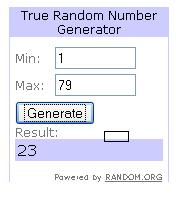 Purex Complete Crystals Winner