
-
Affiliates
How I Balance Remote Work And Parenting Two Kids
Working from home while raising two children sounds flexible until a video meeting starts during a snack emergency. My home office is also part of our family space, so the lines between employee, mom, scheduler, cook, and homework helper can blur quickly.
I have learned that balance does not mean every day receives equal attention. Some days are productive and organized, while others are mostly about keeping everyone fed, comforted, and moving forward. The goal is to create a rhythm that supports my work and my kids without expecting perfection.
With two children at different ages and stages, I rely on routines, realistic expectations, and plenty of patience. I also make room for family memories, personal time, and the occasional reset when our carefully planned schedule falls apart.
Creating A Predictable Daily Rhythm
Our day begins with a loose routine rather than a minute-by-minute schedule. Breakfast, getting dressed, school preparation, and checking my work priorities happen in roughly the same order each morning. That familiarity helps my children know what comes next and gives me a calmer start.
I write down the tasks that truly need my attention before the day gets busy. Usually, I choose two or three important work goals instead of creating an impossible list. If I finish those priorities, everything else feels like a bonus rather than a reason to feel behind.
A visual schedule also helps my kids understand when I am available and when I need quiet. Simple signals, such as headphones or a closed office door, show that I am working. These boundaries are not perfect, but repeating them consistently has made them easier for everyone to respect.
Protecting Focus During Work Hours
I plan demanding work for the times when my children are most settled. Depending on the day, that might mean early morning, school hours, quiet time, or after bedtime. Administrative tasks, emails, and flexible projects can usually wait for the noisier parts of the day.
I keep snacks, water, coloring supplies, books, and other independent activities within easy reach. This does not eliminate interruptions, yet it gives my children options before they need to ask for help. Preparing the evening before saves time when the morning already feels rushed.
When I have an important call, I explain what is happening in language my children understand. I tell them how long I expect to be unavailable and what they should do if they need me urgently. I also accept that the occasional interruption is part of working from home and parenting, not evidence that I have failed.
Sharing Space Without Losing Connection
A dedicated office is helpful, but it is not essential. My workspace needs to be functional, organized, and easy to close down at the end of the day. Even a small desk or a specific corner of a room can create a mental separation between family time and work time.
I try to give my children focused attention before beginning a major work block. Ten uninterrupted minutes of reading, talking, or playing can help them feel connected. That small investment often makes it easier for them to play independently while I handle professional responsibilities.
I also avoid treating every household task as something that must happen during business hours. Laundry can wait, dishes can stay in the sink, and dinner can be simple. A home that looks lived-in is not a sign that the day went badly; it is usually proof that the people in it were busy living.
Comparing Flexible Work Blocks
Different parts of the day serve different purposes in our household. I adjust my schedule according to school commitments, energy levels, meetings, and the kind of concentration my work requires.
| Work Block | Best For | Parenting Approach | Main Benefit |
|---|---|---|---|
| Early morning | Writing and focused projects | Children are still sleeping or beginning their routine | Quiet concentration |
| School hours | Meetings and deadline-driven work | Use childcare, school time, or planned independent activities | Fewer interruptions |
| Afternoon | Email and lighter tasks | Keep snacks and activities available | Flexible productivity |
| Evening | Finishing urgent details | Complete bedtime responsibilities first | Extra work time when needed |
| Weekend planning | Scheduling and preparation | Involve the family where appropriate | A smoother week ahead |
This flexible approach helps me work with our real life instead of fighting against it. I do not assume every weekday will offer the same number of quiet hours. Planning several possible work windows keeps one unexpected change from ruining the entire schedule.
Making Childcare And Support Count
Working from home does not mean I can provide uninterrupted childcare while completing a full workload. When possible, I use school programs, family help, babysitting, or other reliable support. Even a few protected hours can make a meaningful difference in productivity and stress.
I have also learned to be specific when asking for help. Instead of saying I am overwhelmed, I may ask someone to handle pickup, watch the children during a meeting, or bring dinner. Clear requests are easier for loved ones to answer, and they help me protect the time I need for both work and parenting.
Support can include emotional encouragement, too. Reading other family stories, laughing at relatable parenting humor, or browsing a giveaway collection can provide a welcome break during a busy week. Small moments of enjoyment help me remember that life is more than my task list.
Keeping Work And Family Boundaries
At the end of the workday, I make a deliberate effort to shut down. I close my laptop, put away paperwork, and review anything that can wait until tomorrow. This simple routine tells me that work is finished, even when my inbox is not completely empty.
I keep a short list for unfinished tasks rather than carrying every detail in my head. Writing something down reduces the urge to check email while helping with homework or family dinner. My children deserve my attention, and I deserve time when I am not mentally divided.
Some weeks require more flexibility than others. A sick child, a deadline, or an important appointment can change everything, so I build compassion into my expectations. Balancing remote work and parenting two kids is an ongoing adjustment, not a routine I master once and never revisit.
Habits That Make The Biggest Difference
- Choose a few meaningful work priorities each morning.
- Use clear signals to show when focused work is happening.
- Prepare children’s snacks, activities, and school items ahead of time.
- Accept help with specific childcare and household tasks.
- End the workday with a visible routine that protects family time.
The most useful lesson has been that balance is personal. What works for our family may need to change as my children grow, my workload shifts, or our weekly commitments change. A flexible plan gives us structure without making us feel trapped by it.
Working from home lets me be present for many everyday moments, but presence takes intention. I try to put my phone down, listen carefully, and enjoy the ordinary parts of parenting when the workday ends. Those moments are often the reason I keep adjusting the system instead of giving up on it.
If you are building your own work-from-home family routine, start with one boundary and one practical change this week. Protect a focused work block, simplify one household responsibility, and make space for a few unrushed minutes with your children. Small adjustments can create a healthier rhythm for the whole family.


 Durex House Party “He Said/She Said” Challenge [Giveaway]
![Durex House Party: Introducing the LOVE BOX [Giveaway]](/wp-content/uploads/HLIC/2ed7178346e419ad5c79280a7d5dd0aa.png) Durex House Party: Introducing the LOVE BOX [Giveaway]
Durex House Party: Introducing the LOVE BOX [Giveaway]
![Welcome to the Durex House Party [Giveaway]](/wp-content/uploads/HLIC/b3517de65f98905a68b0497aa5152005.png) Welcome to the Durex House Party [Giveaway]
Welcome to the Durex House Party [Giveaway]
 Nursing Scrubs
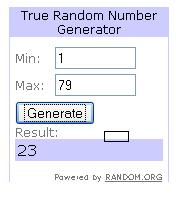 Purex Complete Crystals Winner