
-
Affiliates
What to pack in a diaper bag for a day out in the city
A city day with a baby or toddler can be full of wonderful distractions: a train ride, a café stop, a playground, a museum, or an unexpected detour to watch street performers. It can also turn stressful quickly when a diaper change, snack emergency, or sudden rainstorm catches you unprepared.
The best diaper bag is not the one filled with every item your child owns. It is the one organized around the length of your outing, your child’s age, and the places you are likely to visit. A little planning keeps the bag manageable while giving you enough flexibility for real-life parenting.
I like to think in categories rather than individual items. Diapering, clothing, food, comfort, and practical extras are the main groups to cover. Once those basics are packed, it is easier to adjust for a short errand or a full day exploring the city.
Start with the diapering essentials
Diapers are the first priority, so pack more than you expect to use. A useful rule is one diaper for every two hours away from home, plus two extras. Travel delays, messy meals, and inconvenient public restrooms can quickly change your schedule.
Include a full package of wipes or a travel-sized pack, diaper cream, and several disposable bags for dirty diapers or soiled clothes. A portable changing pad is especially helpful because not every public restroom has a clean, comfortable surface. Hand sanitizer belongs in an outside pocket where it is easy to reach.
For older babies and toddlers, pull-ups may be more practical during a long outing, especially if your child is beginning toilet training. Keep a few tissues and a small pack of antibacterial wipes nearby as well. They can clean a sticky table, wipe a restaurant high chair, or handle a spill before it becomes a bigger problem.
Pack clothing for messes and weather
One complete change of clothes is essential, even if your child has been accident-free for months. For babies, two outfits may be worthwhile because spit-up, diaper leaks, and food stains are difficult to predict. Choose comfortable layers that are easy to put on in a cramped restroom.
Weather can shift during a city outing, so consider a lightweight cardigan, sweater, sun hat, or rain cover depending on the forecast. A compact blanket has several uses: it can provide warmth in an air-conditioned café, create a clean sitting space, or offer shade over a stroller.
Shoes and socks deserve attention too. Toddlers can lose a shoe surprisingly easily while riding in a stroller or climbing at a playground. A spare pair of socks takes up little space and can make a wet or chilly walk much more comfortable.
Bring simple food and drinks
Snacks can prevent a tired child from becoming overwhelmed while you wait for public transportation or a restaurant table. Pack familiar, low-mess choices such as soft fruit, crackers, pouches, dry cereal, or bite-sized sandwiches. Use containers that close securely and avoid foods that melt or crumble excessively if you will be carrying them around for hours.
A refillable water bottle or sippy cup is another diaper bag essential. If your child still drinks formula, bring measured portions and the supplies needed to prepare a bottle safely. Breastfeeding parents may want a nursing cover or a lightweight scarf, although comfort and personal preference should guide that choice.
Use an insulated pouch for milk, yogurt, or other perishable foods, and add a small bib or cloth napkin. A few plastic utensils can be useful when sharing a meal away from home. Keeping snacks in a separate zippered compartment helps prevent crumbs from spreading through the rest of the bag.
Organize the bag for quick access
A diaper bag becomes much easier to use when every category has a place. Put emergency items in exterior pockets, keep diapers and wipes together, and use small pouches for clothing, food, and comfort items. Clear or brightly colored pouches make it possible to find what you need without emptying the entire bag onto a restroom floor.
Your own essentials matter too. Add your phone, wallet, keys, portable charger, sunglasses, and any medication you may need. A reusable shopping bag takes up very little room and can carry souvenirs, groceries, or a jacket after the main bag becomes full.
If you expect a few quiet minutes while your child naps, a book or headphones can make the wait more pleasant. Some parents enjoy browsing entertainment or playing casual poker games during a long transit pause, provided the activity fits the moment and their attention remains on their child.
| Category | Useful items | Packing tip |
|---|---|---|
| Diapering | Diapers, wipes, cream, changing pad, disposal bags | Keep together in one easy-to-grab pouch |
| Clothing | One or two outfits, socks, sweater, hat | Roll clothes to save space |
| Food and drinks | Snacks, bottle or cup, bib, utensils | Use leakproof containers |
| Comfort | Pacifier, small toy, blanket, teether | Bring familiar favorites rather than several toys |
| Health and safety | Hand sanitizer, tissues, sunscreen, medication | Check expiration dates regularly |
| Parent essentials | Wallet, keys, charger, reusable bag | Use separate pockets for quick access |
Include comfort and safety items
A favorite pacifier, teether, small stuffed animal, or compact toy can make a major difference when your child is tired or overstimulated. You do not need a complete entertainment center. One or two familiar items are usually enough for a stroller ride, restaurant wait, or unexpected delay.
For sunny days, pack child-safe sunscreen, a sun hat, and a stroller shade if needed. If your child takes medication, bring the correct dose and a written reminder of when it should be given. A small first-aid pouch with bandages, gauze, and child-safe essentials can also be useful.
Older toddlers may enjoy having their own tiny backpack for a water bottle or toy, but keep the main supplies with you. Labeling bottles, cups, and comfort items can help if they are accidentally left behind at a café or play area.
Adjust the bag before every outing
A diaper bag works best when it is refreshed instead of packed once and forgotten. Before leaving, check the weather, estimate how long you will be gone, and consider where diaper changes and meals are likely to happen. A quick review prevents you from carrying winter layers on a warm afternoon or discovering that the last clean diaper was used yesterday.
For a short trip, you may only need a small changing pouch, snack, drink, spare outfit, and personal essentials. A full-day city adventure calls for extra food, more clothing, comfort items, and a charger. The goal is preparedness without turning the bag into a heavy suitcase.
These habits keep the contents practical:
- Refill diapers and wipes as soon as you return home.
- Remove wrappers, crumbs, and used clothing after every outing.
- Store frequently used items in the same pockets each time.
- Replace snacks when they expire or become crushed.
- Keep a backup outfit in a sealed waterproof bag.
Make room for the unexpected
Even the best plan cannot account for every city-day surprise. Your child may fall into a puddle, refuse the meal you packed, nap longer than expected, or discover a fascination with something that adds an hour to the outing. A few flexible supplies give you room to respond without abandoning the day.
Think of the diaper bag as a small support system rather than a collection of emergency clutter. Pack what helps your family stay comfortable, clean, fed, and calm. Once you find an arrangement that works, repeat it and make small changes as your child grows.
A thoughtfully packed bag can turn a complicated day into a manageable adventure. Gather your essentials, organize them into easy-to-reach sections, and head into the city ready to enjoy the time together.

 Durex House Party “He Said/She Said” Challenge [Giveaway]
![Durex House Party: Introducing the LOVE BOX [Giveaway]](/wp-content/uploads/HLIC/2ed7178346e419ad5c79280a7d5dd0aa.png) Durex House Party: Introducing the LOVE BOX [Giveaway]
Durex House Party: Introducing the LOVE BOX [Giveaway]
![Welcome to the Durex House Party [Giveaway]](/wp-content/uploads/HLIC/b3517de65f98905a68b0497aa5152005.png) Welcome to the Durex House Party [Giveaway]
Welcome to the Durex House Party [Giveaway]
 Nursing Scrubs
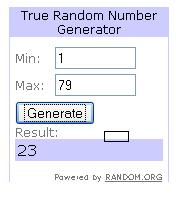 Purex Complete Crystals Winner