
-
Affiliates
How We Talk To Our Kids About Emotions When We’re Stressed
Parenting is full of moments when our own feelings arrive before we have time to process them. A rushed morning, a work message during dinner, sibling arguments, grocery costs and a child refusing shoes can push even a calm parent towards frustration. Talking about emotions in those moments does not require perfect self-control. It requires honesty, repair and language children can understand.
In our family, the goal is to show that feelings are manageable, even when they are intense. We name what is happening, take responsibility for our behaviour and make room for our children’s feelings as well. This approach fits real family life, whether we are navigating a Melbourne tram with a tired toddler or trying to get everyone out the door for school in Brisbane.
Start By Naming Your Own Feelings
When I feel overwhelmed, I try to say it plainly: “I’m feeling stressed because there is a lot to do, but it is not your fault.” This gives children useful emotional vocabulary and separates the feeling from the person who may be nearby. It also prevents them from assuming that a parent’s tense voice must be caused by something they have done.
The wording matters. “I need two quiet minutes” is more helpful than “Everyone is driving me crazy.” Children learn that anger, worry and frustration are signals rather than excuses to hurt someone. I can acknowledge my reaction while still making it clear that shouting, threatening or blaming is not acceptable.
Make Room For Their Big Feelings
A child’s distress can feel especially difficult when a parent is already at capacity. A meltdown over the wrong-coloured cup may seem minor to an adult, but the emotion is real to the child. I try to respond to the feeling first, then deal with the practical issue: “You really wanted the blue cup. It is disappointing when plans change.”
This does not mean saying yes to every request. Empathy and boundaries can sit together: “You are angry that screen time is finished, and the tablet is still going away.” Keeping the sentence short helps when everyone is tired. Children rarely need a long lecture in the middle of a supermarket, school pick-up or bedtime struggle.
Pause Before Stress Takes Over
A short pause can change the direction of a difficult exchange. I might put both feet on the floor, lower my shoulders, breathe out slowly or take a sip of water. If the children are safe, stepping into the laundry for thirty seconds can give me enough space to choose a calmer response.
This is especially useful during the morning rush. Australian families often balance school drop-offs, childcare, commuting and casual or hybrid work, with little empty time between responsibilities. A pause is not always peaceful or silent; sometimes it is simply choosing to speak more slowly while packing lunches and searching for a missing library bag.
Repair When We Get It Wrong
We do not always respond well. There are moments when stress comes out as a sharp voice or an impatient reaction. When that happens, I return to the child and say, “I shouted, and that was not okay. I was stressed, but you did not deserve to be spoken to like that.”
A proper repair includes accountability without making the child comfort the adult. I avoid saying, “I’m sorry, but you were being difficult.” Instead, I name my action, offer a better plan and reconnect. A hug may help, but the apology should still matter if a child is not ready for physical affection.
Repair also teaches children that relationships can recover after conflict. That lesson is valuable in sibling disagreements, friendships and future workplaces. The aim is not to create a home without raised voices; it is to build a home where people take responsibility and try again.
Create Emotional Routines For Busy Days
Families cope better when emotional check-ins are attached to routines that already exist. We might talk in the car, during the school walk, while folding washing or before lights out. Asking, “What was one hard thing and one good thing today?” can open a conversation without making it feel like an interrogation.
Getting around a city with children can add another layer of stress. Delays, crowded platforms and prams require patience, particularly when a toddler is hungry or overtired. Our experience with city transport and strollers has reminded us to explain the plan early, allow extra time and name the frustration when the journey becomes difficult.
Children also benefit from predictable phrases. “First we get shoes on, then breakfast” or “We can be disappointed and still keep moving” gives them structure. The repeated language becomes an emotional handrail during busy mornings and public outings.
Talk About Money Stress Without Passing It On
Financial pressure can affect the whole atmosphere of a home. Rent, mortgage payments, school costs, fuel and supermarket prices can leave adults distracted or short-tempered. Children notice tension even when they do not understand the cause, so I prefer a simple explanation: “We are making careful choices with money. The grown-ups are handling it.”
That message is different from sharing adult worries in detail. Children should not feel responsible for bills or believe they need to stop having ordinary needs. We can involve them in age-appropriate decisions, such as comparing fruit prices or planning a low-cost family activity, without turning every purchase into a source of fear. A practical family budget that works can reduce some of the uncertainty behind those conversations.
Australian households also face changing costs at the checkout, with families comparing prices between Coles, Woolworths, Aldi, local markets and independent shops. Talking about value, planning and priorities can teach useful skills while preserving a child’s sense of security.
Use Everyday Care To Teach Regulation
Emotional learning happens during ordinary care, not just serious conversations. Nappy changes, homework, hair brushing and packing school bags all offer small opportunities to practise patience. When a child is upset, I might say, “Your body is telling you this feels too hard. Let’s slow down and do one part at a time.”
Practical parenting choices can support that calmer rhythm. For families managing costs and routines, researching reusable nappy brands may be part of a wider conversation about planning, sustainability and what works for our household. The emotional lesson is that problems can be approached in manageable steps rather than solved perfectly at once.
Older children can practise regulation by choosing between two strategies: quiet time, movement, music, drawing or talking. The choice gives them some control while an adult remains available. If emotions include ongoing fear, extreme withdrawal or unsafe behaviour, seeking support from a GP, school counsellor or local family service is a sensible next step.
Keep The Language Simple And Consistent
When stress is high, a family needs phrases that are easy to remember. These can be adjusted for a toddler, primary-school child or teenager, but the principles stay consistent.
Helpful phrases for parents include:
- “I’m frustrated, and I’m going to slow down.”
- “Your feeling is okay; hurting people is not.”
- “We can solve one part of this at a time.”
- “I’m sorry for how I spoke to you.”
Children can also use short phrases to describe what is happening inside them:
- “I need a break.”
- “I feel worried about what comes next.”
- “Please use a quieter voice.”
- “I’m ready to talk now.”
| Stressful moment | Helpful response | Boundary that remains |
|---|---|---|
| Child refuses to leave | “You’re disappointed. We still need to go.” | The family leaves on time |
| Parent feels overloaded | “I need one quiet minute.” | Children stay safe nearby |
| Sibling argument | “Both of you are angry. No hitting.” | Physical safety is required |
| Budget-related request | “It is not in this week’s plan.” | The answer may still be no |
Talking about emotions while stressed is a practice, not a performance. Each calm explanation, honest pause and genuine repair gives children a model they can use later. Small conversations repeated through ordinary family life can make emotional safety feel familiar.
Keep these phrases visible on the fridge, in a phone note or beside the bedtime books, and use them during the next difficult moment. Start with one sentence, make space for the feeling and return to repair whenever the day goes off course.


 Durex House Party “He Said/She Said” Challenge [Giveaway]
![Durex House Party: Introducing the LOVE BOX [Giveaway]](/wp-content/uploads/HLIC/2ed7178346e419ad5c79280a7d5dd0aa.png) Durex House Party: Introducing the LOVE BOX [Giveaway]
Durex House Party: Introducing the LOVE BOX [Giveaway]
![Welcome to the Durex House Party [Giveaway]](/wp-content/uploads/HLIC/b3517de65f98905a68b0497aa5152005.png) Welcome to the Durex House Party [Giveaway]
Welcome to the Durex House Party [Giveaway]
 Nursing Scrubs
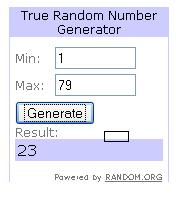 Purex Complete Crystals Winner