
-
Affiliates
How to Create a Family Budget That Actually Works for Us
Family finances rarely follow a neat spreadsheet. Groceries cost more one week, a child needs new shoes the next, and an unexpected school fee can shift the whole month. A workable budget has to account for real life instead of assuming every expense will behave perfectly.
In our home, budgeting is less about restricting every purchase and more about giving our money direction. I want to cover the necessities, prepare for irregular bills, leave room for family fun, and still know where the paycheck went when the month ends.
The best household budget is one we can use repeatedly without feeling defeated by it. That means keeping the categories clear, allowing some flexibility, and making the process simple enough to maintain during busy family weeks.
Start With Our Actual Numbers
The first step is gathering several months of bank statements, receipts, bills, and payment records. Looking at real spending is more useful than guessing what we “should” spend on groceries, fuel, clothing, or takeout. A budget based on wishful numbers will create frustration before it creates progress.
I separate expenses into fixed, flexible, annual, and unexpected categories. Rent or mortgage payments, insurance, subscriptions, and minimum debt payments are usually fixed. Food, transportation, household supplies, and entertainment can change. Annual costs such as birthdays, school expenses, holidays, and vehicle registration need monthly savings even when they do not appear every month.
This process also reveals forgotten expenses. A small recurring charge may seem harmless, but several of them can compete with money needed for more important family goals. Seeing everything together gives us a clearer starting point.
Build Around Priorities, Not Perfection
Our first priorities are housing, utilities, food, transportation, health needs, and minimum debt payments. After those essentials, we plan for savings, upcoming expenses, and quality-of-life spending. This order helps us make decisions when income or expenses vary.
I also include a personal spending allowance for each adult. Having a modest amount that can be spent without debate prevents every coffee, hobby purchase, or small treat from becoming a household discussion. A family budget should support peace at home, not create a reason to inspect every receipt.
Work-related costs deserve their own place, especially when they are easy to overlook. Clothing, commuting, meals, supplies, and professional expenses can add up quickly. When I was thinking about the practical side of working life, even details such as choosing nursing scrubs reminded me that necessary work purchases should be planned rather than treated as random emergencies.
Give Flexible Spending A Safe Range
Some categories cannot be perfectly predictable. Grocery prices fluctuate, children’s needs change, and one month may include more driving than another. Instead of assigning an unrealistically exact amount, I use a target range. For example, groceries might have a planned range of $650 to $750, with the higher figure reserved for months containing celebrations or extra guests.
A small buffer keeps the plan from collapsing. We might set aside a specific amount for irregular costs and leave another portion of income unassigned until the middle of the month. That flexibility helps absorb surprises without immediately reaching for a credit card.
Entertainment and occasional treats also belong in the plan. I like setting a defined amount for low-cost fun, promotions, and family activities. Browsing the Giveaway Corral can be a fun reminder that entertainment does not always need to involve a large purchase, but even free activities may include transportation or snack costs.
| Budget Area | Monthly Plan | How We Handle It |
|---|---|---|
| Housing and utilities | $1,850 | Pay first and monitor seasonal changes |
| Groceries and household supplies | $700 | Use a range and check weekly |
| Transportation | $350 | Include fuel, parking, and maintenance savings |
| Children and school | $250 | Roll unused money into upcoming needs |
| Savings and annual bills | $400 | Transfer automatically after payday |
| Family fun and personal spending | $250 | Spend freely within the agreed limit |
Create Sinking Funds For Predictable Surprises
A sinking fund is money saved gradually for an expense we know will arrive eventually. It can cover holidays, birthdays, car repairs, medical costs, school activities, gifts, or back-to-school shopping. Saving $40 each month for vehicle maintenance feels much easier than suddenly finding $480 when a repair is needed.
I keep separate labels for the expenses that tend to disrupt our regular cash flow. They do not always need separate bank accounts; a spreadsheet, budgeting app, or envelope system can work. The important part is knowing what each amount is reserved to cover.
When a sinking fund is used, I adjust the monthly amount if necessary. If a school activity costs more than expected, the next few months may need a small increase. This turns a surprise into a planned adjustment instead of a financial crisis.
Make Payday Do The Heavy Lifting
Budgeting becomes easier when decisions happen near payday rather than throughout the entire month. We assign income to bills, savings, debt payments, household spending, and personal allowances as soon as it arrives. Automatic transfers can move savings and annual-bill money before it gets mixed into everyday spending.
For variable income, I create a basic budget using the lowest dependable monthly amount. Extra income can then go toward debt reduction, savings, upcoming expenses, or a family goal. This protects the household from building regular commitments around money that may not appear every month.
I also use one shared place for the budget. A simple spreadsheet works well because both adults can see due dates, category balances, and progress. The tool matters less than having a system that is visible and easy to update.
Hold A Short Weekly Money Check-In
A weekly check-in takes about fifteen minutes. We review what has cleared, compare spending with the plan, check upcoming bills, and decide whether any category needs to shift. This is much less stressful than discovering at the end of the month that groceries or fuel consumed the money intended for another bill.
The purpose is not to criticize past choices. If we overspend in one category, we look for a reasonable adjustment elsewhere. Maybe a planned restaurant meal becomes a meal at home, or a purchase moves to the next month. Flexibility keeps one mistake from turning into an abandoned budget.
Children can also learn from age-appropriate conversations about needs, wants, saving, and delayed gratification. They do not need to know every household detail, but including them in simple choices can make family spending feel more intentional.
Habits That Keep The Plan Working
The most reliable budget is one that remains useful when the month gets busy. These habits help keep our spending plan practical:
- Review the budget on the same day each week.
- Use realistic grocery, fuel, and clothing estimates based on past spending.
- Save monthly for annual bills and seasonal expenses.
- Keep a small miscellaneous category for costs that do not fit neatly elsewhere.
- Celebrate progress, such as paying down debt or reaching a savings milestone.
I also revisit the numbers after major changes, including a new job, a move, a change in childcare, or a shift in family needs. A budget is a living household tool. It should change when our circumstances change instead of making us feel like we are failing at a fixed set of rules.
Start with one month of honest numbers, choose the expenses that matter most, and create a plan that leaves room for ordinary family life. Then check it weekly, make small corrections, and let consistency do the work. A simple budget used regularly can bring more calm, clarity, and confidence to the whole household.


 Durex House Party “He Said/She Said” Challenge [Giveaway]
![Durex House Party: Introducing the LOVE BOX [Giveaway]](/wp-content/uploads/HLIC/2ed7178346e419ad5c79280a7d5dd0aa.png) Durex House Party: Introducing the LOVE BOX [Giveaway]
Durex House Party: Introducing the LOVE BOX [Giveaway]
![Welcome to the Durex House Party [Giveaway]](/wp-content/uploads/HLIC/b3517de65f98905a68b0497aa5152005.png) Welcome to the Durex House Party [Giveaway]
Welcome to the Durex House Party [Giveaway]
 Nursing Scrubs
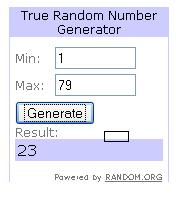 Purex Complete Crystals Winner