
-
Affiliates
How our family set boundaries with grandparents without conflict
Becoming a parent shifts nearly every relationship, including the one with your own mum and dad. After my first child arrived, I quickly realised that my parents and my husband's parents each had strong opinions about bedtime routines, food, and screen time. The conversations that followed were not always easy, but they were necessary. Setting boundaries with grandparents early on helped protect our parenting choices while keeping family bonds warm.
In our house, we treat boundaries less like rules and more like shared agreements. The grandparents still feel respected, and we still get the village we need, especially on weekends when one of us is working in Brisbane and the other is running errands around the suburbs. It is a work in progress, but the framework below has made life smoother for everyone.
Why boundaries matter in the first place
Children thrive on consistency, and grandparents often have a different playbook from the one we use at home. When the rules change every time we hand the kids over, toddlers quickly learn that limits are negotiable, which is exhausting for parents and confusing for the little ones. Gentle, consistent boundaries actually gave our parents more confidence, not less, because they knew exactly what was expected.
There is also an emotional side. Grandparents who overstep often do so out of love, guilt, or nostalgia for their own parenting era. Recognising the intention behind the behaviour helps soften the conversation. Our parents are processing a shift in their role too, from decision makers to the supportive crew.
Starting the conversation with care
Timing and tone matter more than the actual words. We never raise tricky topics over a roast at Nan's place, and we avoid bringing things up when the grandparents are tired after a long drive back from the coast. Instead, we pick a quiet moment, often on a Sunday afternoon, and frame the chat around what works best for the kids rather than what the grandparents are doing wrong.
Phrases like "our paediatrician suggested" or "we have been reading about this" work better than pointing fingers. In Australia, family relationships can span state borders, with many grandparents flying between Sydney and Perth or driving in from regional areas around Adelaide. That distance means we always have these conversations face-to-face or on a video call, never over a rushed text.
The common sticking points
Sleep is usually the first battleground. We had a phase where my mother-in-law would let our son fall asleep on the couch during her visits, which then turned bedtime at home into a meltdown. It took a few gentle reminders before she understood why we wanted him in his own cot. If your own toddler is resisting their own bed, chances are the grandparents are unintentionally making it worse with good intentions.
Food is another flashpoint, especially with those who grew up finishing everything on the plate. Treats, lollies, and second helpings of pavlova can undo the balanced meals we try to maintain. We had to gently explain that snacks at Nan's place should still match what we offer during the week, and the grandparents came around once they saw how much more settled the kids were at mealtimes.
Discipline is the third big one. We had to gently explain that the calm, connected parenting approach we use at home, including avoiding smacking, aligns with current Australian standards. Smacking children is unlawful across all states and territories, and reminding grandparents of that in a non-judgemental way often closes the conversation without anyone feeling lectured.
Handling pushback with calm
Even with the softest approach, pushback will happen. The trick is to stay calm, hold the boundary, and not get drawn into a debate about who raised children better. We use a simple script: acknowledge the feeling, repeat the boundary, and offer an alternative. For example, "I know you want to give him ice cream, but we are keeping sugar low this week. How about some sliced watermelon instead?"
Couples need to present a united front too. My husband and I always discuss tricky topics privately before raising them with either set of parents. That way we do not accidentally undermine each other or give the grandparents mixed signals. If things ever escalate, families in Australia can access free mediation through Relationships Australia or seek advice about grandparent contact arrangements under the Family Law Act.
Making grandparents part of the solution
Once the boundaries were in place, we focused on giving our parents meaningful roles. One nana is now in charge of library runs on Saturdays, and the other pops over for bath time on Friday nights. Both grandfathers take the kids to Bunnings on the weekend, which is practically a rite of passage in suburban Australia. They feel useful, the kids feel loved, and we get a breather.
We also try to say thank you out loud. A quick text after a visit, a coffee brought over on a Tuesday morning, or a photo of the kids doing something the grandparents taught them goes a long way. Boundaries without appreciation can feel cold, and appreciation without boundaries can feel exhausting. The balance is what keeps the whole family working.
Phrases we lean on when boundaries need reinforcing:
- "We have decided to do it this way at home, and we would love your support."
- "Our child responds better when the rules stay the same in every house."
- "Thank you for respecting that, it means so much to us."
- "Let's find a compromise that works for everyone."
Boundaries we found worth setting early on:
- A consistent bedtime and sleep space, even at Nan's place.
- Screen time limits that match what we do on evenings at home.
- Treats and sugary drinks kept to special occasions.
- Discipline decisions left to Mum and Dad, with grandparents in a supporting role.
These are not exhaustive, and every family will draw the line differently. The point is to start the conversation before resentment builds, and to keep talking as the kids grow. If you are planning a visit soon and need a hand keeping little ones happy in the car, have a read of my five tips for surviving a road trip with toddlers. It pairs well with a long weekend at the grandparents' place.


 Durex House Party “He Said/She Said” Challenge [Giveaway]
![Durex House Party: Introducing the LOVE BOX [Giveaway]](/wp-content/uploads/HLIC/2ed7178346e419ad5c79280a7d5dd0aa.png) Durex House Party: Introducing the LOVE BOX [Giveaway]
Durex House Party: Introducing the LOVE BOX [Giveaway]
![Welcome to the Durex House Party [Giveaway]](/wp-content/uploads/HLIC/b3517de65f98905a68b0497aa5152005.png) Welcome to the Durex House Party [Giveaway]
Welcome to the Durex House Party [Giveaway]
 Nursing Scrubs
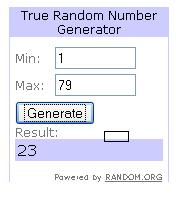 Purex Complete Crystals Winner