
-
Affiliates
Five Tips for Surviving a Road Trip with Toddlers
A family road trip can create wonderful memories, but traveling with toddlers requires a little more planning than simply tossing bags into the trunk. Young children have short attention spans, unpredictable moods, and very specific ideas about when they should eat, sleep, or stop for a bathroom break.
The goal is not to make every mile quiet and perfect. The goal is to make the drive manageable for everyone, including the adults in the front seats. A flexible plan, a well-stocked car, and realistic expectations can turn a stressful journey into an enjoyable family adventure.
Whether you are driving to visit relatives, heading to a theme park, or taking a weekend getaway, these practical road trip tips can help your toddler stay comfortable and entertained.
Plan Around Your Toddler’s Routine
Before choosing a departure time, think about your child’s usual schedule. If your toddler naps well in the afternoon, leaving shortly before naptime may give you a peaceful first stretch of the journey. Some children sleep better in the car than they do at home, while others become overtired and fussy when their routine changes.
A very early start can work for families whose children wake up easily, but it may create problems if everyone is already tired. Aim for the travel window that fits your own child rather than following someone else’s perfect itinerary. Even a rough plan for meals, naps, and breaks can make the day feel less chaotic.
Build extra time into the route. A drive that should take four hours may take much longer with diaper changes, snack stops, toddler arguments, and unexpected traffic. Allowing for those pauses helps parents stay calm when the schedule changes.
Pack Comforts, Snacks, and Spare Clothes
A toddler-friendly vehicle is easier to manage when the items you need most are within reach. Keep a small bag beside the child’s seat with wipes, tissues, a water bottle, diapers or training pants, and one complete change of clothes. Spills and accidents are much less stressful when you do not have to unpack the entire trunk.
Pack snacks in small portions that are easy to handle and unlikely to create a major mess. Crackers, sliced fruit, dry cereal, cheese cubes, and pouches can work well, depending on your child’s age and eating habits. Avoid foods that create choking risks, and never hand a toddler a snack that is difficult to eat safely while the vehicle is moving.
A favorite blanket, stuffed animal, or soft toy can make an unfamiliar setting feel more secure. If your child has a comfort item that is difficult to replace, keep it safely attached to the car seat area or store it in a dedicated travel bag.
Make Entertainment Simple and Varied
Toddlers usually do better with several short activities than one large surprise. Rotate board books, reusable sticker books, magnetic drawing boards, soft toys, and simple travel games. Handing over one item at a time keeps the backseat from becoming cluttered and makes each activity feel new.
Screens can also be useful during a long drive. Download shows or games before leaving because mobile service may be unreliable. Use headphones only if your child can wear them safely and comfortably, and remember that the screen should support the trip rather than become the only strategy available.
| Travel Need | Helpful Choice | Why It Works |
|---|---|---|
| Quiet time | Favorite book or blanket | Creates familiarity and comfort |
| Independent play | Sticker book or magnetic toy | Keeps little hands busy |
| Hunger | Small snack portions | Prevents hunger-related meltdowns |
| Long stretches | Downloaded shows or music | Adds variety when other activities lose appeal |
| Sudden messes | Wipes and spare clothing | Makes accidents easier to handle |
Keep a few activities hidden until they are truly needed. A new coloring pad or small toy can be especially helpful during the final stretch, when everyone is tired and patience is running low.
Schedule Realistic Rest Stops
Frequent breaks are essential for toddlers who cannot sit still for hours. Plan to stop every couple of hours, or sooner if your child shows signs of discomfort. Use these pauses for the bathroom, diaper changes, snacks, stretching, and a little movement.
A rest stop does not need to become a long restaurant visit. Ten minutes of walking around a safe area may be enough to reset your child’s mood. If you see a clean playground, park, or family-friendly attraction along the route, a short detour may be worthwhile when the schedule allows.
Try to stop before a crisis begins. A toddler who is already crying, hungry, and desperate for the bathroom may have a harder time calming down. Watching for early signs such as squirming, whining, or repeated requests can help you make the next stop before the situation escalates.
Prepare for Toddler Meltdowns
Even the best preparation cannot prevent every tantrum. Toddlers may become upset because they are tired, bored, hot, hungry, or simply unhappy about being strapped into a car seat. Their feelings are real, even when the trigger seems minor to an adult.
Keep your response calm and brief. Offer two simple choices, such as a book or a song, rather than asking a long series of questions. Speaking softly can be more effective than trying to compete with a loud cry from the backseat.
Parents should also share the mental load. If one adult is driving, the other can manage snacks, activities, and comfort. On solo drives, safety comes first: pull over in an appropriate place before turning around, retrieving an item, or addressing a serious problem. Never attempt to solve a backseat issue while driving.
Create A Flexible Packing System
Packing by category makes it easier to find what you need when the car is full. Use separate bags for food, entertainment, clothing, toiletries, and overnight items. Keep the essentials in the passenger area and place less urgent luggage in the trunk.
A small trash bag, travel potty if appropriate, portable changing pad, hand sanitizer, and plastic bags for wet clothes can make a noticeable difference. Bring more wipes and clothing than you think you will need. Toddlers have a special talent for using the last clean outfit at the least convenient moment.
For families who enjoy little surprises during travel, a small reward bag can add excitement without requiring expensive purchases. You might include a new book, a coloring activity, or a tiny toy. Browse family-friendly giveaway opportunities for ideas, but choose items that are safe, practical, and suitable for your child’s age.
A Simple Departure Checklist
Use this quick checklist before pulling out of the driveway:
- Confirm the car seat is installed correctly and that your toddler is securely buckled.
- Pack food, drinks, wipes, medication, comfort items, and spare clothes where they are easy to reach.
- Download music, shows, maps, and travel directions before leaving home.
- Check traffic, weather, fuel levels, and planned rest areas.
- Tell your toddler what to expect using simple language, such as “We will drive, stop for lunch, and then visit Grandma.”
A short explanation can make the trip feel less mysterious. Let your child help choose a book or toy, but avoid bringing the entire playroom. Too many options may lead to more frustration instead of better entertainment.
The best road trips with toddlers leave room for ordinary family moments: singing badly together, spotting cows through the window, sharing snacks, and laughing about an unexpected stop. Keep the plans flexible, protect everyone’s safety, and focus on getting there with your patience and good humor still intact. Save these tips before your next family drive and share them with another parent preparing for the miles ahead.


 Durex House Party “He Said/She Said” Challenge [Giveaway]
![Durex House Party: Introducing the LOVE BOX [Giveaway]](/wp-content/uploads/HLIC/2ed7178346e419ad5c79280a7d5dd0aa.png) Durex House Party: Introducing the LOVE BOX [Giveaway]
Durex House Party: Introducing the LOVE BOX [Giveaway]
![Welcome to the Durex House Party [Giveaway]](/wp-content/uploads/HLIC/b3517de65f98905a68b0497aa5152005.png) Welcome to the Durex House Party [Giveaway]
Welcome to the Durex House Party [Giveaway]
 Nursing Scrubs
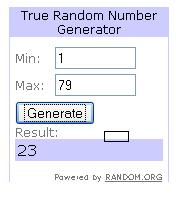 Purex Complete Crystals Winner