
-
Affiliates
How We Explain to Our Kids Why We Work from Home
Working from home with kids in the same house is a juggling act most Aussie parents know all too well. Between Zoom meetings that run over and a toddler who insists on showing you every LEGO creation, the lines between "Mum is working" and "Mum is available" blur quickly. Add in the chaos of school drop-offs, after-school activities, and the occasional heatwave that knocks out the NBN, and you have a recipe for constant negotiation. Learn more about How To Build A Baby Travel Kit For A Weekend Getaway.
In our house, the conversation about why I work from home has evolved as the kids have grown. My six-year-old now understands "Mum has a meeting" but my three-year-old still thinks my laptop is a magic window. Every family finds their own rhythm, and the trick is finding language that respects both your job and your child's need to feel seen.
This is less about rigid rules and more about building a shared understanding. Some days I can pause a spreadsheet to admire a tower of Duplo. Other days I have to ask for ten quiet minutes while I finish a call. The honesty we bring to those moments shapes how our kids see work, responsibility, and family life.
Talking Through the Why at Different Ages
When my eldest was about four, the explanation was simple: "Mummy helps people with her computer so we can buy groceries and go on holidays." Now, at six, the question has become more pointed — especially on a Sunday arvo when I am frantically finishing a project before Monday. "Why do you have to work today?" is a fair question, and it deserves a real answer.
For younger kids, framing work as a way the family is looked after works beautifully. We talk about the mortgage, the electricity bill, and the trip to Tasmania we have been saving for. The idea that grown-ups swap time and effort for money so the household runs smoothly is a concept even a preschooler can grasp when it is tied to something tangible, like a new scooter or a visit to the Melbourne Aquarium.
For primary-aged kids, the conversation can stretch further. We talk about helping others, the joy of a finished task, and the fact that grown-ups are not the only ones who have things they must do. Some phrases that have landed well in our house:
- "I am doing my job on the computer, just like you do your reading at school."
- "When the clock shows the number three, Mummy is finished and we can play."
- "Work helps us save for the trip to see Grandma in Adelaide."
- "I know it is boring when I am busy. I will sit with you as soon as this call is done."
It helps to acknowledge their feelings rather than dismiss them. A simple "I know it is hard when I cannot play right now" goes a long way, especially when followed by a promise of later.
Setting Up a Workspace That Works for Everyone
Our home office is technically the spare bedroom, but in reality it spills into the kitchen, the lounge room, and sometimes the back verandah. A dedicated space is helpful, but it has to be flexible enough to accommodate real life — a sick kid home from kindy, a partner on a late shift, or a sudden cricket game on the TV in the next room.
| Workspace Option | Pros | Cons |
|---|---|---|
| Dedicated spare room | Quiet, signals "work mode" to kids | Feels isolating, can miss family moments |
| Kitchen nook | Close to snacks and kids, easy to peek in | Noisy, hard to focus during arvo chaos |
| Back verandah | Fresh air, change of scenery | Weather dependent, flies in summer |
| Shared study with partner | Adult company, shared resources | Double the interruptions |
The biggest game-changer for us was teaching the kids that a closed door means quiet time, not "Mum is gone." We use a simple sign — a laminated emoji face — that flips between "busy" and "available." It is not perfect, but it gives the kids a visual cue without them having to interrupt to ask. On days when I am waiting on a call from a client in Sydney or a supplier in Brisbane, the sign stays on busy, and the kids know to bring their drawings to the kitchen bench instead.
Boundaries That Hold Up on Tough Days
Even the best boundaries wobble when someone is sick or the Wi-Fi drops out during a video call. The honest truth is that working from home is a constant negotiation, and the kids need to see that negotiation play out, not just the polished result. When I have to move a call to the car out the front because the dog has started barking, I explain what is happening. When a deadline is looming and I have to say "not now," I make sure the "now" arrives soon after.
We also have a loose family rule that certain times of day are protected. Mornings before the school run, after-dinner baths, and the weekend cricket matches are non-negotiable. I block my calendar around these windows where I can, and I talk openly with the kids about the times I will be busier. It is not about perfection; it is about patterns they can rely on.
Budgeting plays a part too, because part of being honest about work is being honest about why the work matters. Reading through practical guides like how to create a family budget that actually works for us has helped me frame the conversation around the bigger picture — that work is part of how we look after each other, not something that pulls us apart.
Making the Most of the In-Between Moments
One of the quiet gifts of working from home is the in-between moment. The twenty minutes between finishing a task and the school pickup. The half-hour while dinner is in the oven. The slow Sunday morning before the footy starts. These pockets matter, and our kids have started to notice them.
A list we come back to often, taped to the fridge:
- Quick brekkie picnic on the back patio
- Ten minutes of drawing together before a call
- A walk around the block to clear heads after a hard task
- A shared afternoon tea once the laptop is closed
It is not about cramming in fun; it is about being genuinely present. Sometimes that looks like a quick game of Uno before the next email, sometimes it is just sitting on the lounge together while I respond to messages. The kids do not need hours. They need attention, and attention is something I can give in small, repeated doses throughout the day.
Bringing the Kids Into the Bigger Picture
As our kids get older, we want them to understand that work is not a mystery that happens behind a closed door. We let them peek at the tools we use, explain what a deadline is in simple terms, and occasionally involve them in the small wins. When I finish a big project, we celebrate with a trip to Bunnings for a sausage sizzle, which has become something of a family tradition.
We also try to show them that the work itself can be interesting. A friend who travels for work recently shared a baby travel kit guide, and it sparked a great conversation about how different jobs look in practice. The kids love hearing about planes, hotels, and what other people do all day. It broadens their idea of what "work" can be and, just as importantly, it makes our own work feel less like a closed chapter in the family story.
Australian life moves fast between summer holidays, long weekends, and the school term grind, and your explanation will need to flex with it. The conversation is ongoing, and there is no single script. Start where your kids are, use the language of your own family, and be ready to revise it all in six months when they have grown again.
Grab a coffee, sit down with the kids tonight, and have the chat. It does not have to be perfect. It just has to happen.


 Durex House Party “He Said/She Said” Challenge [Giveaway]
![Durex House Party: Introducing the LOVE BOX [Giveaway]](/wp-content/uploads/HLIC/2ed7178346e419ad5c79280a7d5dd0aa.png) Durex House Party: Introducing the LOVE BOX [Giveaway]
Durex House Party: Introducing the LOVE BOX [Giveaway]
![Welcome to the Durex House Party [Giveaway]](/wp-content/uploads/HLIC/b3517de65f98905a68b0497aa5152005.png) Welcome to the Durex House Party [Giveaway]
Welcome to the Durex House Party [Giveaway]
 Nursing Scrubs
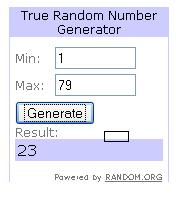 Purex Complete Crystals Winner