
-
Affiliates
A Day in the Life of Motherhood With a Newborn and Toddler
Our days have changed since welcoming a newborn into the family. Time feels both slow and impossibly fast: a single morning can include several feedings, a diaper explosion, a toddler meltdown, and a sweet cuddle that makes everything feel manageable again.
Motherhood with a newborn and a toddler requires flexibility more than a perfect schedule. I used to imagine that I would organize the day around nap times and carefully planned activities. Now, I work with whatever energy, patience, and clean laundry are available.
There is plenty of noise and interruption, but there are also tiny moments I want to remember. My toddler’s excitement over being a big sibling, the baby’s sleepy smiles, and the occasional quiet cup of coffee all help balance the exhaustion.
Morning Begins Before I Am Ready
The day often starts before sunrise with the newborn stirring. I feed the baby while trying to stay quiet enough for the toddler to keep sleeping. Sometimes that works, and sometimes the toddler wakes immediately, ready to begin the day with a detailed story about a dream, a missing stuffed animal, or breakfast.
Once everyone is awake, I focus on the basics. Fresh diapers, simple clothes, food for the toddler, and something warm for myself become the morning priorities. I have stopped expecting to get dressed before breakfast or finish one task without interruption. Those standards belong to a different season of life.
The toddler usually wants attention at exactly the moment the baby needs me most. I try to explain what is happening and offer a small job, such as bringing a diaper or choosing the baby’s blanket. Helping gives the toddler a sense of involvement instead of making them feel pushed aside.
Feeding Two Children in Different Ways
Feeding the newborn is frequent and unpredictable. Some sessions are quick, while others seem to last forever. I keep water, snacks, burp cloths, and my phone nearby because sitting down with a baby often means being stuck in one place longer than expected.
The toddler still needs regular meals and snacks, even when the baby is crying. Easy foods have become essential: fruit, yogurt, sandwiches, crackers, leftovers, and anything that can be served with minimal preparation. I would rather provide a simple meal calmly than create an elaborate plate while everyone becomes frustrated.
There are moments when both children need me at once. I remind myself that responding to one child first does not mean I am neglecting the other. The toddler may need to wait for a minute, and the baby may need to cry briefly while I help with a spill or open a snack. That balance is imperfect, but it is real family life.
Keeping a Toddler Busy While Caring for a Baby
A newborn does not need a packed entertainment schedule, but a toddler absolutely notices when the day feels different. I keep a few familiar activities available, including coloring, blocks, picture books, play dough, and short children’s shows. These are not signs of failure; they are tools that help our household function.
When the baby naps, I try to give the toddler focused attention instead of immediately rushing into chores. Ten uninterrupted minutes of reading or floor play can make a surprising difference. My toddler seems more willing to play independently afterward because they have had a chance to reconnect with me.
I also involve the toddler in ordinary tasks. We sort laundry, wipe the table, put toys into baskets, and choose pajamas together. These activities take longer with a small helper, but they create connection and give the toddler a meaningful role during a major family transition.
A Flexible Rhythm Works Better Than a Strict Schedule
Our days have a loose rhythm rather than exact times. We move through waking, eating, playing, resting, and cleaning in an order that generally works, but the clock does not always cooperate. A late nap or difficult feeding can shift the entire afternoon.
| Part of the day | Newborn needs | Toddler needs | What helps me |
|---|---|---|---|
| Morning | Feeding, changing, cuddling | Breakfast and attention | Simple food and early preparation |
| Midday | Nap or another feeding | Lunch and active play | Safe independent activities |
| Afternoon | Short rest periods | Snack and quiet time | Lower expectations |
| Evening | Frequent soothing | Dinner, bath, bedtime | A predictable wind-down routine |
The most helpful routine is preparing for the next transition before it arrives. I refill the diaper supplies, place snacks where I can reach them, and set out pajamas before bedtime becomes urgent. These small steps reduce the number of decisions I need to make when I am tired.
I have also learned to protect rest whenever possible. The familiar advice to sleep when the baby sleeps is difficult with a toddler, but even sitting down for ten minutes helps. Some days I nap, some days I fold laundry, and some days I simply stare at the wall while the baby sleeps.
Managing Money During a Busy Season
A new baby can make household spending feel unpredictable. There are diapers, wipes, feeding supplies, clothing, medical appointments, and the constant temptation to buy something that promises to make life easier. I have found it useful to review our priorities instead of trying to purchase our way out of exhaustion.
Our family budget plan helps us see which expenses are necessary and which ones can wait. Planning meals, using what we already own, and accepting hand-me-downs can make a meaningful difference during this expensive stage.
Budgeting also helps me choose where convenience is worth paying for. Sometimes delivery, a prepared meal, or a helpful baby product saves enough time and energy to justify the cost. Other times, we keep things simple at home. The goal is to make thoughtful choices, not to eliminate every comfort.
Finding Small Moments for Myself
Personal time looks different now. It may be a shower without an audience, a few pages of a book, a favorite television show after bedtime, or a quiet drink before the house wakes up. These moments are brief, but they remind me that I am still a person beyond my responsibilities.
I try to release the expectation that self-care must be elaborate. A clean shirt, a walk around the block, or a conversation with another adult can improve my mood. Caring for myself does not require leaving my family behind; it means making room for my needs within the life we share.
The hardest days still contain something beautiful. A toddler kiss on the baby’s forehead, a successful nap, or laughter over something silly can change the feeling of an entire afternoon. Newborn and toddler life is tiring, messy, and demanding, but it is also full of memories being made in ordinary rooms.
Small Routines That Save My Sanity
- Keep diapers, wipes, burp cloths, and snacks in more than one room.
- Prepare easy toddler meals before hunger turns into a crisis.
- Give the toddler short periods of focused attention throughout the day.
- Lower household standards when everyone is overtired.
- Accept practical help instead of waiting until everything feels unmanageable.
This stage has taught me that a successful day does not require a spotless home or a perfectly timed nap. If everyone is fed, comforted, and reasonably safe, we have accomplished something important.
For other parents living through the newborn-and-toddler years, I hope these everyday details offer reassurance. Follow along with Country Girl City Life for more honest family stories, parenting experiences, budgeting ideas, and the small moments that make busy family life meaningful.


 Durex House Party “He Said/She Said” Challenge [Giveaway]
![Durex House Party: Introducing the LOVE BOX [Giveaway]](/wp-content/uploads/HLIC/2ed7178346e419ad5c79280a7d5dd0aa.png) Durex House Party: Introducing the LOVE BOX [Giveaway]
Durex House Party: Introducing the LOVE BOX [Giveaway]
![Welcome to the Durex House Party [Giveaway]](/wp-content/uploads/HLIC/b3517de65f98905a68b0497aa5152005.png) Welcome to the Durex House Party [Giveaway]
Welcome to the Durex House Party [Giveaway]
 Nursing Scrubs
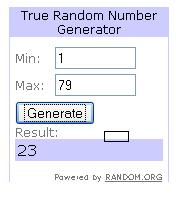 Purex Complete Crystals Winner