
-
Affiliates
Why we take our kids to the farmers market every Saturday morning
Saturday mornings used to feel like a race between breakfast, washing, school sport and a growing list of errands. Now, the farmers market gives our family a gentle place to begin the weekend. We get out of the house, stock up on fresh food and spend time together before the day becomes busy.
Our local market is set up near the community oval, with tables of seasonal fruit and vegetables, sourdough loaves, local honey, flowers and homemade treats. The children know which stalls they like, and the growers are beginning to recognise them too. That small sense of belonging has become one of the best parts of our weekly routine.
There is plenty of practical value in it as well. We can plan meals around what looks good, support Australian producers and teach the kids about food, money and manners without turning the morning into a formal lesson. The market has become a family tradition that feels useful and enjoyable at the same time.
It gives our weekend a calmer beginning
The farmers market gets us moving without the frantic feeling of a shopping centre trip. We usually arrive early, while the air is still cool and the stalls are being arranged. The children might carry a small reusable bag, choose a bunch of bananas or help count the tomatoes, while I take care of the larger grocery decisions.
Australian Saturdays can fill quickly with swimming lessons, junior footy, dance classes and birthday parties. Having one predictable activity before the schedule takes over helps us slow down. Even when we have somewhere else to be, a stroll through the market makes the morning feel like family time rather than another list of jobs.
The children also enjoy the atmosphere. There may be live acoustic music, dogs waiting patiently beside their owners and the smell of coffee drifting across the car park. A quick stop at the sausage sizzle sometimes becomes part of the ritual, especially when everyone has worked up an appetite.
The children learn where food comes from
A supermarket aisle can make food seem disconnected from the people and places that produce it. At the market, the kids can see muddy carrots, misshapen apples and bunches of herbs still carrying the scent of the garden. We talk about growing seasons, rainfall and why some produce costs more at certain times of year.
They have learned that strawberries are especially exciting when they are in season, while winter brings different choices. Depending on where we are shopping in Australia, that might mean citrus, pumpkins, leafy greens or stone fruit. These simple observations have encouraged the children to try foods they would often ignore at home.
We also ask stallholders questions respectfully. The kids have heard about free-range eggs, local honey and the work involved in making bread. Meeting the people behind the food gives them a better understanding of effort and value, without needing a lecture at the dinner table.
It helps us spend our grocery money wisely
A weekly market visit gives us a natural budgeting system. Before we leave, we decide how much cash or spending money we have available, and the children can choose one small item within that limit. This makes money tangible in a way that tapping a card at the checkout sometimes does not.
We compare prices, consider how much we will use and avoid filling the trolley with random extras. Buying a few vegetables from a grower, a loaf of bread and eggs from a local producer can make the weekly shop feel more deliberate. I keep our family budget separate from entertainment spending, and the same sensible approach applies when assessing claims about a fast casino payout online.
The lesson is less about finding the cheapest possible item and more about making thoughtful choices. The kids see that money is limited, priorities matter and a treat is more enjoyable when it has been chosen carefully.
Fresh ingredients make family meals easier
Market shopping often shapes our meal plan for the week. If we find beautiful zucchini, corn or tomatoes, we might plan a simple pasta dish, tray bake or barbecue. The children are more willing to taste something when they have helped select it, even if they remain uncertain about the final result.
We do not pretend every meal is homemade from scratch. Busy families need shortcuts, and there are weeks when frozen food or takeaway is the realistic option. Still, having fresh produce ready in the fridge makes it easier to prepare a quick lunch or add colour to dinner.
The kids also enjoy choosing a bakery item for Saturday breakfast. A fresh roll or pastry feels special without turning the morning into an expensive outing. These small food traditions create memories that are connected to ordinary family life rather than big events.
It gives the children room to practise independence
The market is a safe place for children to build confidence. They can greet a seller, ask how much something costs, hand over money and remember to say thank you. Younger children might simply carry a bag, while older ones can help keep track of the shopping list.
They also learn how to move through a busy public space. We talk about staying close, waiting patiently and being aware of people carrying hot coffee or heavy boxes. It is a practical way to practise good manners and awareness without making the outing feel like a lesson.
Once we get home, the children help put the produce away. A Saturday reset often includes clearing old toys and making space for the week, and I have found the ideas in this guide to decluttering the kids' room useful when that job starts getting out of hand.
It keeps our family connected
The most valuable part of the market is the conversation that happens while we walk. We talk about what the kids noticed, which food they want to cook and what plans are coming up. There is no television competing for attention, and phones usually stay in a pocket unless someone wants a quick photo.
That shared time also gives my partner and me a chance to reconnect. Parenting, work and household responsibilities can leave very little space for adult conversation, so even a short walk between stalls matters. I have written before about relationships and personal life in my Eden Fantasys discussion, and maintaining that connection remains important alongside the everyday parenting routine.
We finish with our bags full, the children occasionally sticky from a market treat and the rest of Saturday still ahead. It is a simple outing, but it gives our family fresh food, local connection and a shared rhythm that we look forward to each week.
Try making one Saturday market visit part of your family routine. Take a small budget, let the children choose one item, speak with a local producer and bring home something new to share at the table. Over time, those ordinary mornings can become some of the memories your children carry with them.


 Durex House Party “He Said/She Said” Challenge [Giveaway]
 Durex House Party: Introducing the LOVE BOX [Giveaway]
 Welcome to the Durex House Party [Giveaway]
 Nursing Scrubs
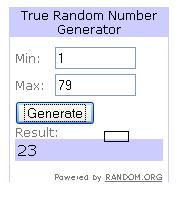 Purex Complete Crystals Winner