
-
Affiliates
Why Our Family Newsletter Became a Little Archive of Everyday Life
Family life moves quickly, especially when children are growing through new stages every few months. A funny mispronunciation becomes a favourite saying, a weekend at the park turns into a treasured memory, and suddenly an ordinary Tuesday is something we wish we had written down. That was the reason we started a family newsletter to share memories with relatives, rather than relying on scattered text messages and social media updates.
Our relatives are spread across different places, from nearby suburbs to other Australian cities and beyond. A newsletter gives us a relaxed way to gather the small details in one place. It feels more personal than a quick status update, while being far less demanding than creating a polished family album every month.
Why A Regular Family Update Felt Right
The idea began with a simple problem: our family had plenty of news, but it was rarely shared in a complete way. One relative might hear about a school event, another would see a photograph, and someone else would miss the story behind it entirely. Group chats helped, but conversations quickly disappeared beneath notifications.
A family newsletter creates a gentle record of what has been happening. We can include a few photographs, a short story, a drawing from the children, or a detail that made us laugh. Relatives can read it when they have time, whether they are enjoying a quiet morning in Brisbane or settling in after work in Melbourne.
It also gives us a reason to pause. Instead of rushing through the week, I notice the moments that might be worth remembering: a child learning to ride a bike, a rainy afternoon spent baking, or a family debate about which footy team had the better season.
Small Stories Matter Most
Our updates are not designed to present a perfect version of family life. The most popular entries are often the least glamorous ones. A lost school hat, an ambitious Lego construction, or a disagreement about vegetables can say more about our current stage of life than a carefully posed photograph.
We usually include a mixture of milestones and ordinary routines. That might mean a birthday celebration alongside a picture of the children helping with dinner. A short note about a local outing can make relatives feel included, even when they cannot be there in person.
Food has become a reliable part of the newsletter because meals anchor so many family memories. When a busy evening leaves very little time, I sometimes turn to this quick freezer dinner for inspiration, then share the chaotic kitchen story as well as the finished meal.
Finding A Rhythm We Can Maintain
The newsletter only works because we keep it manageable. We do not promise a glossy monthly magazine or a detailed account of every day. A short update every few weeks is enough to keep everyone connected without making the process feel like another household task.
Our timing often follows the Australian school calendar. The beginning of a term, a long weekend, school holidays and the return to routine all provide natural points for an update. During the summer break, we may write about beach trips or backyard evenings; during winter, the focus could be board games, warm dinners and indoor projects.
I also keep a running note on my phone. Whenever something amusing or meaningful happens, I add a sentence or save a photograph. This prevents the familiar end-of-month panic where I cannot remember what happened beyond school drop-offs, grocery shopping and trying to keep everyone on schedule.
Including The People And Places Around Us
Relatives enjoy seeing the wider world of our children, not just formal portraits. A visit to a local library, a playground near home or a community event can become a small window into our family’s routine. These details help grandparents and extended family understand what the children are interested in right now.
Practical outings often make excellent newsletter material. We have found that a local toy library can provide fresh entertainment without filling the house with more plastic. Sharing those discoveries is useful for relatives with young children, and it also explains the unusual collection of borrowed toys appearing in our photographs.
Australian life gives us plenty of seasonal details to include: a Saturday morning market, a barbecue after sport, a trip to the beach before the crowds arrive, or a backyard gathering during a long summer evening. These familiar customs help distant relatives feel connected to the rhythm of our lives.
Protecting Privacy While Sharing Joy
A newsletter needs thoughtful boundaries, particularly when children are involved. We avoid including private information such as school names, regular schedules, addresses or anything that could identify where the children will be at a particular time. Photographs are selected with the same care we would use for any family website.
We also consider who receives each edition. A small email list feels more comfortable than sharing everything publicly, and relatives can reply directly with their own news. This has turned the newsletter into a two-way family update rather than a broadcast from our household.
The best photographs are not always the clearest ones. A blurry image of muddy shoes after a walk can tell a better story than a posed picture. One of our favourite recent afternoons was captured during time at a nearby public park, where the children played, collected leaves and came home tired enough to sleep well.
Making Each Edition Feel Personal
I like to give every newsletter a simple subject line that reflects the season or the main family story. Inside, we usually include a short opening paragraph, a few snapshots, and a small section written in the children’s own words. Their spelling and unexpected observations often become the part relatives save.
A consistent format makes writing easier, but the content remains flexible. Some editions are mostly photographs, while others include a recipe, a funny quote, a book the children loved or a note about a day trip. The aim is to preserve the feeling of the month rather than create a formal report.
A few habits have made the process easier:
- Keep a private running list of funny comments, firsts and family milestones.
- Choose three to six photographs instead of trying to include everything.
- Write in a warm, conversational voice, as though speaking to a favourite relative.
- Invite family members to reply with their own updates, memories and photographs.
- Save each edition in a folder so the collection can become a digital family archive.
The newsletter has become more than a practical way to pass on news. It gives us a record of childhood as it is happening, including the everyday moments that are easy to overlook. Years from now, I hope our family will read these updates and remember the muddy shoes, hurried dinners, school-holiday adventures and small jokes that made this season of life ours.
Starting does not require special software, perfect photographs or a long weekly writing session. A simple email, a few honest paragraphs and one memorable picture are enough. Gather a handful of recent moments, send them to the people who care about your family, and let the archive grow one ordinary update at a time.


 Durex House Party “He Said/She Said” Challenge [Giveaway]
![Durex House Party: Introducing the LOVE BOX [Giveaway]](/wp-content/uploads/HLIC/2ed7178346e419ad5c79280a7d5dd0aa.png) Durex House Party: Introducing the LOVE BOX [Giveaway]
Durex House Party: Introducing the LOVE BOX [Giveaway]
![Welcome to the Durex House Party [Giveaway]](/wp-content/uploads/HLIC/b3517de65f98905a68b0497aa5152005.png) Welcome to the Durex House Party [Giveaway]
Welcome to the Durex House Party [Giveaway]
 Nursing Scrubs
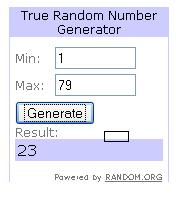 Purex Complete Crystals Winner