
-
Affiliates
Why We Started A Family Book Club With Young Kids
Our family book club began with a small pile of picture books, a tired parent, and children who were still learning how to sit through a whole story. I had imagined thoughtful discussions around the kitchen table, but the early meetings involved wiggling, snack crumbs, interruptions, and at least one dramatic disagreement about which book we should read.
Even so, starting a regular reading time has become one of the loveliest parts of our week. It gives us space to slow down, enjoy stories together, and make reading feel like a shared family experience rather than another task on the school holiday list.
A Simple Way To Spend Time Together
Family life can become a blur of school drop-offs, packed lunches, work, washing, and weekend sport. In our household, it is easy to spend an entire day in the same house without properly connecting. A book club creates a natural pause where everyone gathers for the same activity.
We do not make it overly formal. Sometimes we read on the couch, sometimes on the beds, and sometimes outside when the weather is kind. A short story before dinner or bedtime can be enough. The routine matters more than the length of the session.
Young Children Can Still Join In
A family book club does not require children to read independently. Young kids can listen, point to pictures, repeat favourite lines, and act out a character. Older siblings can read a page aloud or help choose the next book, which gives them a useful role without turning the evening into a lesson.
For toddlers and preschoolers, attention spans are wonderfully unpredictable. We might read the whole book one night and only look at the pictures the next. If someone wanders off halfway through, I try not to treat it as failure. They often return when the exciting part begins.
Choosing Books That Suit Everyone
Finding one book for several ages can be tricky, so we take turns selecting. One child might choose a funny picture book, while another prefers an early chapter book or an animal story. I also keep a basket of familiar favourites nearby because repetition is part of how young children build confidence with language.
Our local library has been invaluable for this. Borrowing books in Australia means we can try new authors without constantly adding to the household budget, especially when the cost of groceries, school supplies, and activities keeps climbing. Whether we visit a suburban library in Melbourne, a community branch in Brisbane, or our nearest rural library, the children enjoy having somewhere to browse.
Making Reading Feel Like An Event
Occasionally, we give the book a little theme. A story about animals might lead to drawing our own creatures. A book about food can inspire a simple snack, while a tale set near the ocean might become an excuse to talk about our last beach visit. These extras are optional, but they help the children connect fiction with everyday life.
We have also made reading feel special with cushions, homemade bookmarks, and a small snack plate. I sometimes add a little family treat after our reading session, borrowing the playful spirit of the giveaway corner when we want the evening to feel like an occasion. It does not need to be expensive or elaborate; children are usually impressed by presentation alone.
Learning Through Stories
Books give children a gentle way to explore feelings and situations that can be difficult to explain directly. A story about a nervous first day can open up conversation about school. A character who feels left out may help a child describe something happening with friends. Stories allow us to discuss kindness, frustration, courage, jealousy, and change without putting anyone on the spot.
The conversations are often brief and unexpected. One child may ask why a character made a poor choice, while another focuses on a tiny illustration in the background. I have learned to follow their interests instead of trying to deliver a perfect message. Their observations can be surprisingly thoughtful.
Finding A Rhythm That Lasts
Our family book club works because it is flexible. We aim for one shared reading session each week, but school terms, illness, visitors, and late nights can easily disrupt the plan. During the winter months, an early evening reading session is particularly appealing, while long summer days sometimes push it later.
We also keep an informal list of books we have enjoyed. The children add titles from school, recommendations from friends, and books discovered during trips. Around Christmas, we might choose a festive story, and during the Australian summer holidays we can take a few books to the caravan, beach, or holiday rental. Keeping the routine relaxed makes it easier to continue.
The biggest surprise has been how much I enjoy the club too. Reading aloud gives me a chance to notice the children’s humour, questions, and changing interests. It reminds me that family traditions do not have to be complicated to become meaningful.
Choose a book from the shelf or library, set aside a little time this week, and invite the kids to make the reading session their own. A few pages, a comfy spot, and plenty of patience are enough to begin your family’s version of a book club.


 Durex House Party “He Said/She Said” Challenge [Giveaway]
![Durex House Party: Introducing the LOVE BOX [Giveaway]](/wp-content/uploads/HLIC/2ed7178346e419ad5c79280a7d5dd0aa.png) Durex House Party: Introducing the LOVE BOX [Giveaway]
Durex House Party: Introducing the LOVE BOX [Giveaway]
![Welcome to the Durex House Party [Giveaway]](/wp-content/uploads/HLIC/b3517de65f98905a68b0497aa5152005.png) Welcome to the Durex House Party [Giveaway]
Welcome to the Durex House Party [Giveaway]
 Nursing Scrubs
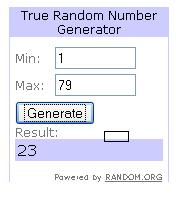 Purex Complete Crystals Winner