
-
Affiliates
Why we let our kids help cook dinner even when it makes a mess
The other night I found grated zucchini on the bench, fingerprints of tomato sauce across the benchtop and a wooden spoon that had somehow ended up in the fruit bowl. Dinner was meant to be lasagne, which the kids had been "helping" with for the better part of an hour. The tray was definitely burning. Nobody was unhappy.
This is a regular enough scene in our kitchen in Sydney's western suburbs that I used to feel apologetic about it. Flour settles into places flour has no business being. Water gets poured into the wrong bowl. Somebody drops an egg and we all quietly decide it was intentional.
The version of me before children would have handed them a washed lettuce leaf and sent them back to the table with a colouring book. That version also didn't have a five o'clock school pickup, two lunches to pack and a small business to run out of the spare room.
Mostly I let them cook. The results are rarely edible and the kitchen never stays tidy, but dinner is the one part of our day that nobody can rush, and because I want them to know where food actually comes from.
The mess is the lesson
I'm not a naturally messy cook. I like a clean bench, a sharp knife and a clear path between the fridge and the stove. Cooking with children abandons all of that. A three-year-old pouring stock into a measuring cup is going to overflow it eventually, and the overflow will land somewhere I already cleaned.
What I stopped fighting was the idea that mess equals failure. Every spill is a small experiment: too much liquid, not enough stirring, oven on the wrong shelf. I once wrote about the common blackjack mistakes I used to make, and the argument was the same one — you only get better by being in the game and taking the hit when you misread the rules.
So the grated zucchini now goes into a bowl with a lid, and I wipe the bench before the sauce starts. The mess hasn't vanished. It's just been given a landing zone.
What they're actually learning
My oldest can read a recipe out loud while I chop onions, which is more than I could manage at her age. Cooking quietly teaches the maths nobody sits down and practises: halves and quarters, a pinch, two tablespoons, ten minutes on the timer.
It also teaches sequencing. If you salt the water after the pasta goes in, it's too late. If you don't wash your hands, you're handing your germs to everyone else. Those rules aren't abstract in our house. They line up with the rest of Australia's food law, from the allergen labels on a muesli bar to the training every sandwich shop has to complete before it can serve you lunch.
The confidence part matters too. The kids who stir the sauce and taste it are the kids who try new things. And they get to say "I made that" about something edible, which does more for their self-esteem than any amount of praise from me.
Setting up so nobody gets hurt
Cooking with kids is only fun while nobody gets hurt, so our kitchen has a short list of non-negotiables. The sharp knife is my job until they're older than I think they are. The front-left burner stays off until the oven's on. The step stool lives in the garage, because a step stool in a kitchen is a fall waiting to happen.
We wash hands with soap and running water, not a quick rinse with a warm splash. We keep a damp tea towel within reach for a hot tray, and nobody carries a pot of boiling water through a room full of children. These are the same habits our council would want to see in a café, and they're the reason the butcher's shop puts its little hygiene rating card up in the window.
A few setup changes keep the evening calm. A low table for prep. A separate bowl for shells. A scrap bin that goes straight to the compost caddy, because most of what we waste at our place ends up feeding the garden rather than landfill.
What it costs and what it saves
Budgeting food is a family sport at our place, and cooking with kids is the cheapest kind of maths there is. I keep an eye on the grocery money with the help of Nugget on a Budget, mostly so I stop buying a second bag of things I'd already bought.
Our Friday shop is Woolworths and Coles, with a run to Aldi when I've done enough list-making to deserve it. The butcher knows us by now. The Sunday market at the school oval sells eggs, tomatoes and bread that won't last the week unless the kids and I use them up while we can.
Cooking together also means less waste, because a child who picked the spinach out of the bag will eat the spinach. Leftovers get claimed instead of binned. And since NSW banned single-use plastic bags, we've kept a big green reusable bag by the door, which is now the bag for shopping and the bag for the yellow-lid recycling.
When to step in and when to back off
There's a line, and I move it constantly. If the pan is smoking, I'm in. If someone's reaching for a knife they're not steady with, I'm in. If the sauce needs stirring and the timer says four minutes left, I let them stir and I stand close enough to intervene.
I also know when to shut up. My youngest will tell me a sauce is too orange and needs more of something, and half the time she's right. The commentary from behind my shoulder is tiresome, but it means she's paying attention, and attention is what I'm actually after.
Sometimes I wonder what they'd cook if they ran the whole dinner themselves. My daughter still has her own menu ideas, and I wrote about Eden's kitchen fantasies years ago, back when I thought I was the one in charge of what happened in our kitchen. I stopped pretending a while ago.
The laundry still tells the truth about the evening. There's flour in the washing machine, sauce on the tablecloth and a lasagne that was mostly bolognese. I wouldn't trade it.
If your kids cook with you and your kitchen ends up looking like ours, I'd love to hear about it — send me a note with the worst mess of the week and the dish it happened during. Subscribe to Country Girl City Life to keep reading our stories about family life, money, budgeting and surviving the school run.


 Durex House Party “He Said/She Said” Challenge [Giveaway]
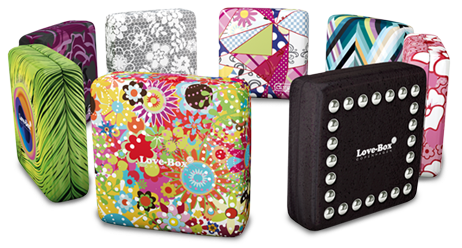 Durex House Party: Introducing the LOVE BOX [Giveaway]
 Welcome to the Durex House Party [Giveaway]
 Nursing Scrubs
 Purex Complete Crystals Winner