
-
Affiliates
Why the Same Bedtime Story Can Matter So Much
For a month, our bedtime routine revolved around the same story. Every evening, after baths, pyjamas and the final drink of water, one of my children would reach for that familiar book. I expected them to become bored long before I did, but the opposite happened. The repeated bedtime story became a small, comforting tradition our whole family looked forward to.
Life with children can be noisy and unpredictable, especially when work, school, childcare, dinner and household jobs all compete for attention. Reading the same book each night gave us a dependable pause. It helped us slow down, reconnect and finish the day with something simple that belonged to us.
Familiar words create comfort
Children often enjoy repetition because it makes the world feel manageable. They know which page comes next, when a character will appear and how the story will end. That sense of predictability can be especially soothing after a busy day filled with changes, instructions and big feelings.
The familiar words also allowed my children to participate. At first, they listened quietly. After several nights, they began completing sentences, calling out details in the illustrations and reminding me when I skipped a line. The story became something we shared rather than something I simply read aloud.
Repetition supports early learning
Reading the same picture book repeatedly may seem less educational than choosing a different title every night, but repetition has real value. Children hear vocabulary in context, notice sentence patterns and gain confidence with storytelling. They begin to understand how characters, problems and endings fit together.
This was easy to see during our month of reading. My children remembered new words, recognised emotions on the characters’ faces and started predicting what would happen next. Those small observations are part of literacy development, even when they happen during a cosy cuddle rather than a formal learning activity.
A predictable routine eases bedtime
Bedtime can stretch out when children are overtired. There may be requests for another snack, another toilet visit or another song. A consistent story signals that the day is nearly finished. Once the book is open, the routine feels familiar enough to help everyone settle.
Australian family life often includes late afternoons filled with sport, swimming lessons, homework or the school run. In Brisbane’s warmer weather, children may still be energetic after dinner, while Melbourne families can face cold, dark evenings that make staying indoors appealing. A repeated story works in either setting because it provides the same gentle ending.
Children discover new details
A story does not stay exactly the same just because the words do. Children’s attention changes as they grow more familiar with a book. One night they may focus on the plot, while another night they notice a tiny animal in the background or ask why a character made a particular choice.
Our discussions became more detailed as the weeks passed. We talked about colours, friendships, kindness and funny illustrations. The book gave us a reliable starting point for conversations that might not have happened during the rush of dinner or the morning school routine.
The ritual strengthens family connection
The most valuable part was not the book itself. It was the closeness created around it. Sitting together, hearing my voice and sharing a few quiet minutes helped us reconnect after separate days. Even when I was tired from work, the routine reminded me that small moments can carry a lot of meaning.
Parenting also involves finding realistic ways to make family life work. On evenings when I had been busy, I appreciated having one dependable activity that needed no preparation. My experience of balancing family responsibilities and employment has often made practical routines essential; even my old reflections on wearing nursing scrubs remind me how different workdays can feel from home evenings.
One book can suit a family budget
Reading the same book for a month is also a budget-friendly choice. Families do not need to buy a new title every week to encourage a love of reading. A favourite book from home, a second-hand shop find or a title borrowed from the local library can provide plenty of value.
Many Australian families are keeping a close eye on everyday costs, from groceries to school supplies and petrol. Visiting the library during the school holidays can turn book borrowing into a simple outing, whether you live in Sydney, Adelaide, Perth or a smaller regional town. Children still receive the benefits of regular reading without every bedtime book becoming another purchase.
It is fine to move on eventually
Repetition should feel comforting, not compulsory. After a month, we were ready to introduce a new story, but we kept the old favourite nearby. Some nights the children chose the familiar book; on others, they wanted something different. Giving them that choice made reading feel enjoyable rather than like another task.
I also learned that a repeated book can reveal what children genuinely love. If they keep returning to a particular character, theme or style of illustration, that can guide future library visits and book purchases. Personal interests may lead to Australian authors, animal stories, humour, adventure or books that reflect the child’s own family.
A month of one bedtime story taught us that children do not need constant novelty to stay engaged. Familiarity can build confidence, create conversation and make an ordinary evening feel special. The book became part of our family rhythm, much like a favourite song or a weekend tradition.
It also fitted naturally with the personal side of family blogging. Sharing everyday experiences can connect with other parents, while learning about finding a blog niche has shown me how meaningful ordinary routines can be when they are honestly described.
Choose one story your children already enjoy, make it easy to reach at bedtime and give it a week before deciding whether repetition suits your family. Read it with patience, allow interruptions and enjoy the small details your children notice. The same book may become a treasured part of your household long after the month is over.


 Durex House Party “He Said/She Said” Challenge [Giveaway]
![Durex House Party: Introducing the LOVE BOX [Giveaway]](/wp-content/uploads/HLIC/2ed7178346e419ad5c79280a7d5dd0aa.png) Durex House Party: Introducing the LOVE BOX [Giveaway]
Durex House Party: Introducing the LOVE BOX [Giveaway]
![Welcome to the Durex House Party [Giveaway]](/wp-content/uploads/HLIC/b3517de65f98905a68b0497aa5152005.png) Welcome to the Durex House Party [Giveaway]
Welcome to the Durex House Party [Giveaway]
 Nursing Scrubs
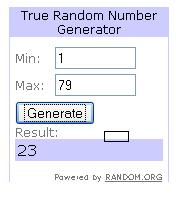 Purex Complete Crystals Winner