
-
Affiliates
Why our family keeps our kids' schedules simple and slow
There's a quiet pressure that creeps in once your child starts school. Suddenly everyone has an opinion about what your kid should be doing between 3pm and bedtime. Swimming, soccer, music, dance, language classes — the list stretches on. In school pick-up lines around Brisbane and Melbourne, conversations often revolve around which activities each child has that week. We've felt that pull, but we've learned to step back.
When our first started prep, we signed up for everything that sounded reasonable. By term two we were juggling three venues on weekdays and Saturday sport on top. Our car was permanently packed with gear bags, and evenings disappeared into snack prep and meltdowns. Something had to give.
So we made a conscious decision to scale back. We chose to limit the extracurricular activities for our young kids and kept only what genuinely brought them joy. That choice has given us back our weekends, our weeknight dinners, and honestly, our sanity.
The Australian culture of overscheduling
Australian families often juggle more than they let on. With school finishing around 3pm and parents typically working until 5pm, the gap needs filling. After-school care exists, but costs in cities like Sydney and Perth can top $40 a day per child. For many households, structured activities feel like the obvious alternative. Swimming is a rite of passage here, and AFL Auskick clinics pop up in nearly every suburb once the weather warms.
What starts as one or two activities quickly spirals. A friend mentioned her daughter does ballet, tennis, and art class each week. Another parent bragged about his son's coding lessons plus chess club. Before long, the unspoken benchmark becomes four or five weekly commitments. That calendar sounds impressive on paper, but it rarely leaves room for cubby houses in the lounge room, bikes down the street, or a long bath after kinder.
Listening when our kids say enough
Kids are surprisingly good at telling you when they've had enough, if you actually listen. Our middle child started complaining of tired legs and asking to stay home on activity days. We brushed it off at first, but the pattern kept repeating. Once we pulled back her schedule, the complaints vanished within a week. She was happier, slept better, and started eating more at dinner.
Our youngest simply plays better when her week has pockets of nothingness. Unstructured afternoons lead to elaborate backyard games, drawn-out tea parties, and longer chats with us while we hang the washing on the line. These moments never make it onto Instagram, but they are the ones we remember when the kids are grown.
The real cost of too many activities
The dollar figure adds up faster than most parents realise. Between term fees, uniforms, equipment, and travel, a single activity in Australia can run $200 to $400 per term. Multiply that across two or three kids and a few sports and you're looking at $5,000 a year or more. We were spending that kind of money before we paused to track it.
Then there are hidden costs like fuel, parking near city venues, and the sausage sizzle fundraiser that always seems to fall on our busiest weeks. For families in regional towns like Ballarat, the drive to the nearest swimming squad can be forty minutes each way, so a one-hour lesson chews up an entire afternoon.
Making space for unstructured play
Free play is the first thing to get squeezed out when schedules tighten. We noticed our kids were getting less time to wander, get muddy, and figure things out on their own terms. Research out of the University of Melbourne has long pointed to the value of boredom in childhood development, and our own experience backs that up. The afternoons when nothing happens are often the ones our kids talk about for weeks afterwards.
We've learned to protect that space. Weekday afternoons are mostly unscheduled now, with maybe one activity between Monday and Thursday. Saturday mornings are for pancakes and the park. Sunday is for slow mornings and helping Dad in the garden. The kids know the rhythm and have stopped asking for more.
Quality over quantity in what we keep
We do still have a couple of activities, but they're chosen with intention. Swimming lessons stay because we live near the coast and water confidence matters here. Our oldest does Auskick during winter because she genuinely loves it and it gets her outdoors during the cooler months. Everything else has been let go, even things that looked impressive on paper.
When something new comes up, we ask three questions before saying yes. Does my child light up when we talk about it? Can our family absorb the time and travel? Will it add value, or just fill space on the calendar? Most things fail at least one test, which makes the yes answers easier to land.
Letting kids be kids a little longer
Childhood already moves fast. Between prep interviews, NAPLAN in the older years, birthday parties every other weekend, and casual catch-ups with other families, our kids don't need much more crammed into their weeks. We've found they thrive when given the room to breathe.
We share a lot about keeping romance alive when we're tired, and the same principle applies here. When you strip away the extras, the core relationships grow stronger. Our kids are closer, we are closer as parents, and nobody is rushing out the door in tears.
What we say no to, and how to handle the awkwardness
Saying no is sometimes socially awkward. The school gate chat often turns into a quiet competition over how busy each child is. We've had grandparents ask why our kids aren't doing more, and well-meaning friends suggest we might be holding them back. We've learned to smile, nod, and trust our own judgement.
Not every child needs five things a week. Some kids genuinely flourish in a packed schedule, and that's fine too. But for our young kids, the slower path has been the right one. They sleep well, they eat well, and they still have time to be little.
If you've been feeling stretched thin, try clearing one thing from the calendar this term and see what fills the gap. You might be surprised how much your kids — and you — actually needed the breathing room. And if you need a bit of light relief while you're streamlining the family routine, pop over to the giveaway corral for some laughs and the chance to win something nice along the way.


 Durex House Party “He Said/She Said” Challenge [Giveaway]
![Durex House Party: Introducing the LOVE BOX [Giveaway]](/wp-content/uploads/HLIC/2ed7178346e419ad5c79280a7d5dd0aa.png) Durex House Party: Introducing the LOVE BOX [Giveaway]
Durex House Party: Introducing the LOVE BOX [Giveaway]
![Welcome to the Durex House Party [Giveaway]](/wp-content/uploads/HLIC/b3517de65f98905a68b0497aa5152005.png) Welcome to the Durex House Party [Giveaway]
Welcome to the Durex House Party [Giveaway]
 Nursing Scrubs
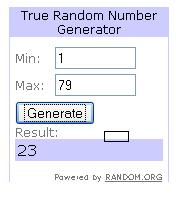 Purex Complete Crystals Winner