
-
Affiliates
What we say when our children ask about death
When my oldest came home from school in Brisbane and quietly asked where her grandfather had gone, I realised how unprepared I was for the conversation. Death rarely arrives on schedule, and for many Australian families the first brush with it comes through a pet, a grandparent, or a news story about the latest shark sighting at the beach. These moments are tender and confusing for small children, and the answers we choose to give shape the way they grieve and grow for decades.
Over the past few years, my husband and I have stumbled through plenty of these chats in our own kitchen, sometimes calmly and other times with a lump in our throats. I have come to believe that honesty, warmth, and a willingness to sit with the awkward silence are the best tools we have. Below is what we have learned, mixed with practical advice from counsellors, educators, and the everyday wisdom of other parents.
Starting with honesty rather than fairytales
The instinct to soften a hard truth is natural, but vague phrases like "gone to sleep" or "taken a long trip" can leave children feeling scared of bedtime or abandoned on the next family holiday. Child psychologists in Australia often recommend using clear, simple words that match the reality. Telling a five-year-old that the body has stopped working and that we cannot see or hug the person anymore gives them something concrete to process, even if the concept is still abstract.
We also try to avoid the temptation to dress death up as something mystical or spiritual when our own beliefs do not lean that way. Australian society is wonderfully diverse, and our kids have friends from Hindu, Buddhist, Muslim, and secular households. Being truthful in our home while remaining respectful of other traditions has become a small but meaningful practice in our own house.
Matching the answer to the child's age
There is no one-size-fits-all response, because a three-year-old and a ten-year-old are working from very different developmental maps. A toddler might simply need reassurance that their daily routine will continue and that the people caring for them are still here. A primary-school child, however, often wants concrete details, including where the body goes, what a funeral involves, and whether they are allowed to cry in front of adults.
In our house, we gauge each question carefully. When our six-year-old wanted to know why we were sad, we explained grief as the body and mind adjusting to missing someone. When our nine-year-old asked about heaven, we shared what we believed and acknowledged that other families believe different things. Treating each question as its own conversation rather than a single big talk has helped us avoid overwhelming either child.
Using books, Bluey, and everyday moments as springboards
Australian children's literature offers some beautiful entry points. Mem Fox's stories and books published in Melbourne often weave loss and love together in ways little readers can grasp. The beloved ABC Kids show Bluey has even dedicated an episode, Sleepytime, to the theme of a grandparent passing, and we have watched it together more than once, pausing to answer the questions that bubble up.
Outside the house, everyday Australian life offers natural openings. A funeral notice in the local paper, a black armband at a cricket match, or a moment of silence at the ANZAC Day dawn service in Adelaide can all become gentle prompts. We treat these as invitations rather than lessons, following our children's lead on how much they want to engage, and I share more of our family's quiet rituals at Country Girl City Life.
Comparing approaches across the years
Different ages call for different tools, and what works in a Melbourne kindergarten may feel clumsy in a Sydney Year 6 classroom. The comparison below shows what has worked for our family and for many of the parents we chat with at school pickup, both online and on the sidelines of Saturday sport.
| Age group | What they understand | Suggested approach | What to avoid |
|---|---|---|---|
| 3 to 5 years | Death is temporary or reversible | Use simple, concrete words and reassure them their carers are safe | Euphemisms like "gone to sleep" that may cause new fears |
| 6 to 9 years | Death is permanent but the details are unclear | Answer questions honestly, share books, and explain funerals simply | Overwhelming them with adult grief or long explanations |
| 10 to 12 years | Death is universal and final | Invite them into family rituals, ask what they think, and allow private mourning | Dismissing their curiosity as morbid or inappropriate |
| Teenagers | Death has philosophical, emotional, and social weight | Listen more than you speak, respect their beliefs, share trusted resources | Lecturing or shutting down difficult feelings |
We have found that even within the same age group, siblings can react very differently to the same piece of news. One child might want to draw pictures for the person who has died, while the other quietly retreats into their room. Honouring those individual responses has mattered more in our house than sticking to a single script.
Navigating Australian laws and community support
Knowing what your workplace and community offer can take some of the pressure off. Under the National Employment Standards embedded in the Fair Work Act, Australian employees are entitled to a minimum of two days of paid compassionate leave each time an immediate family member or household member dies, with unpaid leave available for other relatives. This entitlement has been a quiet relief during the funerals we have attended in Sydney and Perth alike.
If your child is struggling long after the first conversation, free and confidential support is available through Kids Helpline on 1800 55 1800, as well as through school counsellors and your local GP. Many suburbs also run bereavement groups through community health centres or churches, and organisations such as the Australian Centre for Grief and Bereavement offer online resources for regional families who cannot easily attend in person.
Practical ideas that have helped our family
A handful of small rituals have given our kids a way to keep memories alive without feeling overwhelmed. These are the ones we return to most often.
- Plant a small flower or shrub in the garden in memory of the person, and let the kids help choose and care for it.
- Create a simple memory box with photos, a favourite scarf, or a handwritten note from a loved one.
- Light a candle on significant dates such as birthdays or anniversaries, and explain what the flame represents.
- Encourage drawing, writing, or telling stories about the person, especially when emotions feel too tangled for words.
- Read a thoughtful book together, and let the child ask as many questions as they need before turning the last page.
Each of these activities creates a small physical anchor for an emotion that can otherwise feel overwhelming or invisible, giving children a tangible way to remember and to grieve at their own pace.
If you are walking through your own version of these conversations and feel unsure where to begin, you are not alone. Australian families share this gentle learning curve across suburbs and states, and leaning on each other makes it easier. Take what feels right for your own family, leave the rest, and trust that showing up with patience is what matters most. For a lighter read between heavier conversations, you might enjoy our Valentine's Day reflections from the archives.


 Durex House Party “He Said/She Said” Challenge [Giveaway]
![Durex House Party: Introducing the LOVE BOX [Giveaway]](/wp-content/uploads/HLIC/2ed7178346e419ad5c79280a7d5dd0aa.png) Durex House Party: Introducing the LOVE BOX [Giveaway]
Durex House Party: Introducing the LOVE BOX [Giveaway]
![Welcome to the Durex House Party [Giveaway]](/wp-content/uploads/HLIC/b3517de65f98905a68b0497aa5152005.png) Welcome to the Durex House Party [Giveaway]
Welcome to the Durex House Party [Giveaway]
 Nursing Scrubs
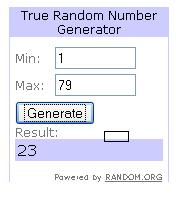 Purex Complete Crystals Winner