
-
Affiliates
Weekly Grandparent Sleepovers And Growing Independence
Every Friday afternoon, our children pack overnight bags, check that their favourite pyjamas are inside and head off for a sleepover with their grandparents. It has become a familiar part of our family rhythm, but it still feels significant. A night away from home gives them room to make small decisions, handle ordinary feelings and discover that they are capable beyond the comfort of Mum and Dad.
What our kids’ weekly sleepover with grandparents teaches them about independence is less about being completely self-sufficient and more about practising confidence in a safe setting. They are learning how to manage a routine, communicate their needs and enjoy another household’s way of doing things while staying connected to ours.
A Familiar Routine Builds Security
The regular timing matters. Because the sleepover happens every week, it is not treated like a dramatic separation or a special test. The children know when they are going, what they need to pack and when they will come home. That predictability makes the transition easier, especially after a busy week of school, homework and Saturday sport.
Their grandparents also have a steady rhythm. There might be a walk after dinner, a board game, a story before bed or a quick trip to the local shops for an icy pole. In Australia, where family life often revolves around school runs, weekend sport and catching up over a barbecue, these ordinary moments create a strong sense of belonging.
The children can miss us without feeling that missing home means something is wrong. They learn that a temporary change of scenery can still feel safe.
Small Responsibilities Become Real Skills
Packing their own bag has become one of the clearest lessons. The children decide which clothes they need, remember their toothbrushes and check whether a comfort item is coming along. Sometimes they forget something, which gives them a chance to solve the problem rather than waiting for an adult to fix it.
The same principle applies at home. We have encouraged age-appropriate jobs through our approach to chores at home, and those habits carry across to their grandparents’ house. They can put dirty clothes in a basket, help clear the table and keep track of their belongings.
Independence grows through repetition. A child who has practised putting shoes away or preparing a small bag is more ready to manage bigger responsibilities later.
Grandparents Create A Different Learning Space
Grandparents provide care, but they do not recreate our household exactly. Their rules may be slightly different, their stories stretch back further and their patience comes with a lifetime of experience. The children learn to listen to another adult, adjust to a different pace and understand that families can have more than one way of doing things.
There are also practical lessons in how grandparents live. They might mend something instead of replacing it, cook from what is already in the pantry or explain the value of saving for a planned purchase. With Australian households watching grocery prices and household bills closely, these everyday conversations make budgeting feel concrete rather than abstract. Even browsing budget-friendly ideas can reinforce the idea that enjoyment does not need to cost a fortune.
A sleepover can therefore teach flexibility, respect and resourcefulness alongside the obvious excitement of staying somewhere special.
Emotional Confidence Grows Away From Home
Being away overnight gives children a gentle opportunity to identify and express their feelings. They may feel excited at bedtime, homesick for a few minutes or nervous about sleeping in a different room. When they tell their grandparents what is happening inside, they practise emotional vocabulary and learn that feelings can be managed.
We encourage them to use simple strategies: take a breath, have a cuddle, read a book or call us if they genuinely need reassurance. The aim is never to dismiss homesickness. It is to show them that an uncomfortable feeling can pass while they remain safe and supported.
When they return home, they often share the parts that were tricky as well as the funny stories. That reflection helps them recognise their own progress. “I missed you, but I settled down” is a small sentence with a great deal of confidence behind it.
Connection Does Not Require Constant Contact
A night with grandparents also shows our kids that closeness is not measured by uninterrupted messages or screen time. They can enjoy the moment they are in instead of checking what everyone else is doing. At home, our no-phone dinner rule supports the same idea: shared time deserves attention.
This has become especially useful as the children grow older and digital communication becomes part of their social world. They are learning that being independent does not mean being constantly available. It means knowing when to connect, when to listen and when to put a device aside.
There is plenty of time for a quick video call or a message when they are away, but the sleepover is primarily about being present with Nana and Pop. That balance protects family relationships from becoming another stream of notifications.
The Whole Family Benefits From The Practice
The children return with new stories, a little more confidence and sometimes a strong opinion about whose pancakes are best. We get time to reset, catch up on practical jobs or simply enjoy a quieter evening. That breathing space helps us be more patient parents when everyone is back under one roof.
The grandparents gain meaningful time with their grandchildren, too. Their relationship develops through routines rather than occasional special events. They know the children’s funny habits, favourite meals and bedtime preferences, while the children learn that grandparents are trusted adults they can turn to.
A weekly sleepover is not a shortcut to maturity. It is a small, repeated experience that allows independence to grow at a manageable pace.
Simple Ways To Support A Positive Sleepover
A few consistent habits make the arrangement calmer for everyone:
- Keep the timing as predictable as possible, even during busy school weeks.
- Let children pack their own bags, with a quiet adult check before leaving.
- Share essential information without overloading grandparents with instructions.
- Give children permission to call home, while allowing the visit to unfold naturally.
- Talk about the experience afterwards without treating homesickness as failure.
- Make space for grandparents to develop their own traditions and routines.
The most important part is trust. Children need to know that adults have planned for them, while adults need to allow children enough freedom to practise what they have learned.
Our family’s Friday night routine has become much more than a convenient arrangement. It is a weekly lesson in responsibility, emotional regulation, communication and confidence. Share this idea with another family exploring grandparent care, and make room for small experiences that help children discover what they can do.


 Durex House Party “He Said/She Said” Challenge [Giveaway]
![Durex House Party: Introducing the LOVE BOX [Giveaway]](/wp-content/uploads/HLIC/2ed7178346e419ad5c79280a7d5dd0aa.png) Durex House Party: Introducing the LOVE BOX [Giveaway]
Durex House Party: Introducing the LOVE BOX [Giveaway]
![Welcome to the Durex House Party [Giveaway]](/wp-content/uploads/HLIC/b3517de65f98905a68b0497aa5152005.png) Welcome to the Durex House Party [Giveaway]
Welcome to the Durex House Party [Giveaway]
 Nursing Scrubs
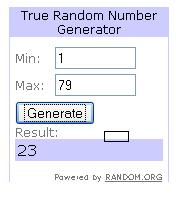 Purex Complete Crystals Winner