
-
Affiliates
What Weekly Allowance Teaches Kids About Money
Weekly allowance gives children a small, practical way to learn how money works. They can see an amount arrive, decide what to do with it, and experience the results of each choice without the stakes being too high.
For our family, pocket money is less about paying for chores and more about building everyday financial habits. It creates opportunities to talk about saving, spending, patience, generosity and the difference between wanting something and genuinely needing it.
Australian children are growing up in an increasingly cashless world. Tap-and-go payments are common in Melbourne cafés, Sydney shops and Brisbane supermarkets, while online shopping can make purchases feel almost invisible. Handling coins and notes still gives younger children a useful connection between effort, cost and value.
Families can shape the system around their own budget and values. The ideas shared through Country Girl City Life are grounded in ordinary family life, where money lessons need to fit around school, work, activities and the occasional trip to the local market.
Allowance Creates A Safe Money Practice
A regular allowance helps children understand that money is limited. If a child receives $5 each Saturday and spends the whole amount on lollies or a small toy, there is a natural lesson: the money is gone until the next payment. That experience is more memorable than a lecture about budgeting.
The amount does not need to be large. A younger child might receive $1 or $2, while an older child could receive $5 or $10, depending on the family budget and what expenses the money is expected to cover. The important part is consistency, so children can plan ahead.
It also helps to explain whether allowance is separate from household responsibilities. Making the bed, helping clear the table and putting away belongings can be family expectations, while extra jobs such as washing the car may earn additional money.
Needs And Wants Become Easier To See
Children often use the words “need” and “want” interchangeably. Allowance provides a real-world opportunity to sort them out. Food for school, a replacement school hat or required stationery may be needs, while collectible cards, takeaway treats and a new game are usually wants.
This does not mean spending on wants is wrong. Enjoying a small purchase is part of learning how money can support happiness and independence. The useful lesson is recognising the choice before spending rather than reaching for a card or asking Mum and Dad automatically.
Australian prices can make these conversations especially clear. A $6 snack at the school canteen, a $12 cinema treat or a $20 item at a weekend market can quickly use a child’s weekly budget. Looking at the GST-inclusive price on the shelf also teaches children that the displayed cost is the amount they need to plan for.
Saving Gives Children A Reason To Wait
Saving is easier when children have a specific goal. “Save your money” feels vague, but “put aside $3 each week for the craft kit that costs $24” gives the habit meaning. A drawing, photograph or simple chart can show progress and make waiting feel manageable.
A savings jar works well for young children because they can see the coins building up. Older children may prefer a labelled envelope, a spreadsheet or a supervised bank account. Parents can explain that a bank account is a safe place to hold money, while interest may help savings grow gradually.
Children also learn that saving involves trade-offs. Choosing not to buy a small treat today may bring them closer to a larger purchase later. If the goal takes too long, families can review the amount, find a cheaper option or discuss whether an extra job is appropriate.
Spending Can Be Thoughtful And Independent
Allowance gives children room to make small mistakes. Buying something disappointing can teach them to check quality, compare prices and wait before purchasing. A pause of 24 hours before a larger purchase can reduce impulse spending without taking away a child’s sense of control.
Taking children to compare prices at Coles, Woolworths, Kmart or a local independent shop can turn errands into financial education. They can notice unit pricing, sales conditions and the difference between a lower price and better value. At a farmers market, they may also see how local products and handmade goods are priced.
Digital spending needs the same care. Children should know that tapping a phone or using a stored card still uses real money. Families can set clear rules around in-app purchases, online accounts and subscriptions, and parents should check that any payment method is secure.
Simple Ways To Make Progress Visible
A small routine can make money management easier for the whole family. The system can change as children grow, but it should remain simple enough that everyone remembers it.
Saving habits:
- Use a jar, envelope or account labelled with a clear goal.
- Record the balance once a week.
- Celebrate reaching milestones rather than buying extra rewards.
- Let children choose between short-term and long-term goals.
Spending habits:
- Wait before buying anything above an agreed amount.
- Compare at least two prices when practical.
- Keep a small amount for generosity or a shared family treat.
- Review purchases without shaming children for mistakes.
These conversations are also a chance to discuss advertising. Children see promotions through television, social media, games and influencers, so they need language for recognising persuasion. A product review or giveaway, such as those sometimes featured on family lifestyle ideas, can be a prompt to ask what makes something appealing and whether that appeal matches its value.
Parents Set The Financial Example
Children notice how adults talk about money. If parents calmly compare prices, plan for bills and explain that a purchase is being postponed, children see budgeting as a normal part of life rather than something secret or frightening.
It is useful to include age-appropriate details about household decisions. Adults do not need to share every financial pressure, but they can explain that rent, groceries, electricity, transport and school costs all compete for the family budget. This helps children understand why an allowance cannot always increase immediately.
Australian consumer protections provide another helpful lesson. Under the Australian Consumer Law, products and services must meet consumer guarantees, although those protections do not make every impulsive purchase refundable simply because someone changes their mind. Teaching children to keep receipts and ask for help with faulty goods builds confidence as consumers.
A Weekly Rhythm That Fits Family Life
A short allowance check-in can happen on Saturday morning, after the grocery shop or during a quiet Sunday afternoon. Keep it brief: confirm the amount, update the savings goal and talk about any planned spending for the week.
| Weekly step | What children practise |
|---|---|
| Receive allowance | Counting and recognising value |
| Choose a savings amount | Planning and delayed gratification |
| Set aside spending money | Making independent choices |
| Review the result | Learning from experience |
The arrangement should grow with the child. A teenager may use allowance for personal entertainment, gifts or transport extras, while parents continue covering agreed essentials. Families should also be careful with financial products aimed at young people; a child’s bank account and any payment card should be supervised according to age, provider terms and household rules.
Turn Pocket Money Into Practice
The purpose of weekly allowance is not to create perfect little budgeters. It is to give children repeated, low-pressure practice with decisions they will eventually make on a much larger scale.
Start with an amount your household can maintain, choose one savings goal and have a brief conversation each week. Over time, those small choices can help children become more patient savers, more thoughtful shoppers and more confident participants in family life.


 Durex House Party “He Said/She Said” Challenge [Giveaway]
![Durex House Party: Introducing the LOVE BOX [Giveaway]](/wp-content/uploads/HLIC/2ed7178346e419ad5c79280a7d5dd0aa.png) Durex House Party: Introducing the LOVE BOX [Giveaway]
Durex House Party: Introducing the LOVE BOX [Giveaway]
![Welcome to the Durex House Party [Giveaway]](/wp-content/uploads/HLIC/b3517de65f98905a68b0497aa5152005.png) Welcome to the Durex House Party [Giveaway]
Welcome to the Durex House Party [Giveaway]
 Nursing Scrubs
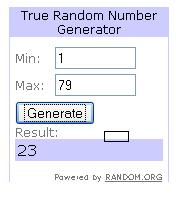 Purex Complete Crystals Winner