
-
Affiliates
What Our Kids’ Toy Rotation System Looks Like and Why It Works
Our home has never been a picture-perfect playroom where every wooden toy sits neatly on an open shelf. We have birthdays, hand-me-downs, school projects, bargain finds from Kmart and the occasional toy that arrives through a review or giveaway. Without a system, the collection quickly takes over the lounge room.
That is why we use a toy rotation routine. Rather than keeping everything available all the time, we choose a manageable selection, put the rest away and swap the groups every few weeks. The children still have plenty to play with, but the room feels calmer and old favourites become interesting again.
The system has changed as our children have grown. Some toys are now shared, some are reserved for quiet time, and others are packed away until a rainy weekend or school holiday. Living in Australia also means making space for outdoor gear, water toys and activities that suit hot summer afternoons as well as cooler days inside.
This approach is simple, inexpensive and flexible. It does not depend on matching storage boxes or buying a whole new collection. It mainly asks us to notice what the kids actually use, remove the excess and make play easier to begin.
Why We Started Rotating Toys
The first sign that we needed a change was how often the children complained that they were bored while standing in a room full of toys. Too many choices made it difficult for them to settle. Blocks were mixed with dress-ups, puzzles had missing pieces and craft supplies were scattered through several baskets.
A toy rotation reduced that visual clutter. When only a few activities are within reach, the children tend to concentrate for longer. They also rediscover toys they had ignored, especially when those toys return after spending time in storage.
It has helped us protect the main living areas too. Australian homes can be compact, particularly in busy city suburbs such as Melbourne or Sydney, so every shelf and cupboard needs to work hard. We wanted a play space that felt lived-in without looking permanently overwhelmed.
How We Sort The Collection
We begin by gathering toys from the lounge room, bedrooms, the car and any stray baskets. Then we sort them into broad categories: construction, imaginative play, books, puzzles and games, creative activities, sensory items and outdoor toys.
Anything broken, incomplete or consistently ignored is removed. Some items go into the rubbish or recycling, while usable toys may be passed to friends, donated to an op shop or saved for younger cousins. We keep sentimental pieces separately so they do not take up space in the everyday rotation.
The remaining toys are divided into several groups. Each group contains a mixture of familiar favourites and a few less-used items. We avoid putting all the building toys together or creating a rotation made entirely of noisy activities. A balanced selection gives the children different ways to play.
Where Everything Lives
Our current system uses labelled tubs, open baskets and a few shelves. The active toys stay where the children can reach them, while the reserve groups live in a cupboard, under beds or on a high shelf. Clear containers make it easier to see what is available, although ordinary reusable storage tubs work just as well.
We keep small pieces in zippered bags or lidded containers, particularly when younger children are around. Puzzles and board games are checked before they return to storage, because discovering a missing piece halfway through a game is never a peaceful experience.
Outdoor items have their own area near the back door. Scooters, balls, chalk and water-play supplies are easier to manage when they do not mix with indoor toys. On hot Queensland days or during a long summer break, the outdoor rotation becomes the main attraction, while rainy weeks in Adelaide or Hobart shift the focus back indoors.
The Rhythm Of A Rotation
There is no strict calendar. We usually change the selection when the children lose interest, when the room becomes messy or when the next school holiday gives us a natural reset point. In practice, that may be every two to four weeks.
Before bringing out a new group, I take a quick look at what has worked. A toy that was ignored twice may be ready to leave the house, while a simple activity that kept everyone occupied deserves another turn. This prevents the storage cupboard from becoming a hiding place for clutter.
We also rotate around real life. A busy work period means we put out toys that children can use independently. If we have more time together, we include craft kits, baking accessories, family games and pretend-play props. When I was working around practical family routines and nursing scrubs were part of my life, easy-to-reset activities were especially valuable.
What Makes The System Work
The biggest improvement came from lowering the amount of effort required to start playing. If a child has to find a game, clear a surface, locate the pieces and ask for help opening three containers, the activity often never begins. A small number of ready-to-use choices removes those barriers.
We also leave some toys together as invitations. A basket might contain a few animals, a small train set and blocks for building a farm. A craft tray may include paper, washable markers and stickers. We are not creating elaborate displays; we are simply making the first step obvious.
The local market makes this affordable. We have found useful storage at Kmart, Big W and Target, while Facebook Marketplace, garage sales and Australian op shops can supply quality second-hand toys for very little. I also keep an eye on seasonal bargains and occasional giveaway entries, although we try not to bring something home just because it is free.
A Practical System For Busy Families
Toy rotation works best when it remains a household tool rather than another parenting task to perfect. These are the rules we return to:
- Keep enough toys out for variety, but not so many that every surface is covered.
- Include one or two reliable favourites in every rotation.
- Remove broken, incomplete or repeatedly ignored items promptly.
- Store small pieces in labelled bags or containers.
- Invite the children to help choose what returns and what rests.
- Adjust the timing for school holidays, visitors, weather and family schedules.
The children do not need to know that a particular group is called “Rotation Three”. They simply notice that different toys appear and that the space is easier to use. Helping with the swap also gives them practice making choices, caring for belongings and putting things away.
| Toy Group | What We Keep Available | What Goes Into Storage |
|---|---|---|
| Building | A small block set and magnetic tiles | Extra sets and specialist pieces |
| Imaginative play | A few figures, animals or dress-ups | Large props and seasonal costumes |
| Puzzles and games | Age-appropriate favourites | Longer games and duplicates |
| Creative play | Paper, crayons, stickers and washable supplies | Messier kits and bulk materials |
| Outdoor play | Balls, chalk and scooters | Water toys and seasonal equipment |
The result is not a spotless house or children who play quietly all day. It is a more manageable rhythm. We spend less time stepping over toys, the children can see their options clearly and forgotten activities get a genuine second chance.
A rotation also helps us buy less. Before bringing home another game or craft kit, we check what is already stored. Often, the next interesting activity is waiting in a tub rather than sitting on a shop shelf.
If your home is feeling crowded with toys, start with one basket and one cupboard rather than attempting a dramatic clear-out. Choose a small selection, store the rest and observe what happens over the next fortnight. A few simple swaps may be enough to make family play feel calmer and more enjoyable.


 Durex House Party “He Said/She Said” Challenge [Giveaway]
![Durex House Party: Introducing the LOVE BOX [Giveaway]](/wp-content/uploads/HLIC/2ed7178346e419ad5c79280a7d5dd0aa.png) Durex House Party: Introducing the LOVE BOX [Giveaway]
Durex House Party: Introducing the LOVE BOX [Giveaway]
![Welcome to the Durex House Party [Giveaway]](/wp-content/uploads/HLIC/b3517de65f98905a68b0497aa5152005.png) Welcome to the Durex House Party [Giveaway]
Welcome to the Durex House Party [Giveaway]
 Nursing Scrubs
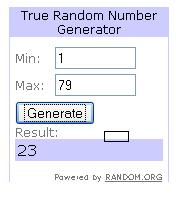 Purex Complete Crystals Winner