
-
Affiliates
What Our Family Chore Chart Looks Like for Different Ages
When our eldest was three, I drew a colourful chart on the back of an old calendar and stuck it to the fridge with magnets from a Kmart pack. It had smiley faces, gold stars and a list of tasks that ranged from "wipe bench" to "take bins out". Within a week, the toddler was more interested in peeling the magnets off than actually helping, and the bins stayed exactly where they were. Twelve years and three more kids later, I've learnt that a chore chart that works in Brisbane is rarely the same chart that works in Hobart, and that the age on the front of the chart matters far more than the sticker reward stuck next to it.
Every couple of years we rebuild the chart from scratch, because what a four-year-old can do is wildly different from what a fourteen-year-old should be doing. We've tried everything from laminated pictures with Velcro dots to a whiteboard in the kitchen where the kids write their own jobs on a Sunday night. Some versions lasted a fortnight, others are still hanging on the pantry door. This is what ours looks like right now, with a few notes on what changed as the kids got older and the house got noisier.
Why we stopped using one chart for everyone
The single-sheet, everyone-on-it approach made our home feel like a courtroom. The nine-year-old would finish her jobs before the seven-year-old had even picked up a sock, and the result was tears, bickering and me refereeing every five minutes. Our parenting style has always leaned gentle — we used hypnobirthing for a calmer labour with our youngest and we try to keep the tone at home calm too — but the chart was creating more friction than cooperation.
We split the chart into age bands and gave each child their own column. We also moved away from chore "lists" and towards small, repeatable habits. A six-year-old doesn't need to know that eventually they'll be expected to vacuum the whole house. They need to know that today, they're putting their shoes in the cupboard.
Toddlers and pre-schoolers (ages 2 to 4)
At this age the chart is really a teaching tool, not a productivity system. Our two-year-old loves "helping" wipe the high chair with a damp cloth after brekkie, and our four-year-old can sort the coloured socks into two piles before kinder. The chart has pictures rather than words, because most kids this age can't read yet, and the tasks are mostly about participation, not perfection.
We don't expect completion. If the four-year-old puts three socks in the wrong pile, we leave them. The point is that they're standing next to the laundry basket, learning where it lives, and copying what the adults around them do. A sticker at the end is purely for the dopamine hit. We buy sticker books from Big W when they run out and keep them in the kitchen drawer like little treasures.
Early primary years (ages 5 to 8)
This is when the chart starts earning its keep. Our seven-year-old makes her own bed every morning before the 8:40am school bell, feeds the guinea pig, and wipes down the bathroom sink after she brushes her teeth. Our eight-year-old sets the table for dinner and clears his own plate. None of these tasks take longer than five minutes, but they anchor the morning and the afternoon routine.
Aussie after-school care usually runs until 6pm, so the chores happen in two short bursts — one before the school bus arrives and one straight after dinner. We tried a star-for-every-job system but found it created a sense of debt, like the kids were working for points. Now we use a simple tick or cross on a magnetic strip. Five ticks in a row earns a trip to the park on Saturday, which is far more motivating than a plastic prize from the $2 shop.
Tweens (ages 9 to 12)
The pre-teen chart is where things got interesting, because suddenly the kids want autonomy but still need structure. Our eleven-year-old does her own laundry from start to finish — sorting, washing, hanging on the line, folding and putting away. Our ten-year-old vacuums the lounge room on a Thursday and helps with dinner twice a week, usually peeling carrots or tossing a salad.
We pay a small amount for jobs that go beyond the basic family contribution. Under Australian rules, children under 15 can be employed in light work and family businesses, and even though we're not running a business, the principle of "extra work, extra reward" felt right. The tween gets a few dollars a week for jobs like cleaning the shower screen or wiping down the kitchen cupboards, paid into a debit card we opened with her at the local branch.
Teens and pocket money in Australia
Our fourteen-year-old is the reason the chart now lives in the kitchen rather than on the fridge. Teenagers don't want their friends seeing a list of jobs with stars next to them. His chart includes things like mowing the lawn, taking the bins out on bin night (Tuesday in our Brisbane council area), loading and unloading the dishwasher, and keeping his room tidy enough that the floor is visible.
He's also responsible for his own breakfast and lunch prep during the week. Pocket money for him is no longer a reward for ticking boxes. It's tied to hours of work, similar to the junior rates you'd see on a casual award. We sat down and worked out a rough hourly rate that's a bit below the current minimum for under 15s in Australia, and he gets paid that for the bigger jobs like lawn mowing or helping me clear the gutters. It's not a wage, but it teaches him that time and effort have a value.
Visual cues, stickers and small rewards
The thing that finally made our charts stick was keeping them visual. Toddlers need picture cues, early primary kids respond to colour-coded magnets, and tweens like having a whiteboard where they can tick things off themselves. We rotate supplies from Kmart, IKEA and sometimes the reject shop, and we keep a drawer full of spare magnets, dry-erase markers and sticker sheets.
One trick that worked better than I expected was pairing chore time with imaginative play. After our youngest had finished her "jobs" one morning, she spent an hour setting up a café for her dolls using the best toys that encourage imaginative play. Linking the tidy-up to the play that followed gave her a reason to finish the job quickly. It also meant the chart became a doorway, not a punishment.
Chores at a glance and your turn
Here is a rough snapshot of what lives on our chart right now. It changes every six months or so as the kids grow and as our family routines shift around school holidays, sport commitments and the occasional long weekend away.
| Age | Core chores | Rewards | Tools that help |
|---|---|---|---|
| 2–4 | Wiping high chair, sorting socks, putting shoes away | Stickers, praise | Picture chart, magnets |
| 5–8 | Making bed, setting table, feeding pet | Park trip, screen time | Magnetic tick strip, timer |
| 9–12 | Own laundry, vacuuming, helping with dinner | Weekly pocket money | Whiteboard, debit card |
| 13+ | Lawn mowing, bins, own meals, bathroom clean | Hourly pocket money | Shared calendar, alarms |
If your family uses a chore chart, I'd love to see how you've set it up. Pop a photo in the comments or tag me on Instagram — I share reader charts in my stories every few weeks. And if you're just starting out with a toddler and feeling overwhelmed, remember that the chart is a guide, not a contract. The bins can wait until tomorrow.


 Durex House Party “He Said/She Said” Challenge [Giveaway]
![Durex House Party: Introducing the LOVE BOX [Giveaway]](/wp-content/uploads/HLIC/2ed7178346e419ad5c79280a7d5dd0aa.png) Durex House Party: Introducing the LOVE BOX [Giveaway]
Durex House Party: Introducing the LOVE BOX [Giveaway]
![Welcome to the Durex House Party [Giveaway]](/wp-content/uploads/HLIC/b3517de65f98905a68b0497aa5152005.png) Welcome to the Durex House Party [Giveaway]
Welcome to the Durex House Party [Giveaway]
 Nursing Scrubs
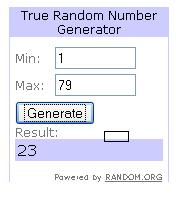 Purex Complete Crystals Winner