
-
Affiliates
What My Kids Learned About Family Life While Camping
A week of camping gave my kids a break from screens, schedules, and the familiar comforts of home. It also gave me a close-up view of how much children can learn when they have room to explore, make mistakes, and help with real responsibilities.
Our campsite became a temporary home beside a lake, surrounded by trees, muddy paths, and more bugs than my children considered reasonable. The days were simple: prepare breakfast, gather supplies, swim, walk, play, clean up, and start again. That slower rhythm brought out lessons I might have struggled to teach during a normal busy week.
Camping with children is rarely perfectly peaceful. There were arguments over sleeping bags, wet socks, and who got to hold the flashlight. Still, the experience showed my kids that family life works best when everyone contributes.
Small Responsibilities Matter
At home, I often move quickly because there is always laundry, dishes, work, and a child who needs something. At the campground, the chores were impossible to ignore. My kids helped carry lightweight supplies, collect sticks, place napkins near the picnic table, and gather their belongings before we left an area.
Those jobs made them feel useful. They could see the immediate result of their effort, whether that meant a clearer tent floor or a campfire ready for dinner. Even my younger child began looking for ways to help instead of waiting for an adult to handle everything.
The lesson carried into our return home. I still do most of the household work, but I have been more consistent about giving my children manageable tasks. Keeping a home organized with little ones is already a daily project, and my cleaning routine works better when the kids understand that they are part of the household team.
Patience Grows In Uncomfortable Moments
Camping introduced plenty of situations that tested everyone’s patience. A tent zipper caught at bedtime, rain interrupted an afternoon hike, and one morning breakfast took much longer than expected. At home, it would have been easy to solve each problem instantly. Outside, we had to pause and work through it.
My children learned that frustration does not always mean an activity is ruined. We talked about taking a breath, trying a different approach, and accepting that plans may change. They watched us adjust meals, rearrange sleeping spaces, and turn a rainy morning into a card game inside the tent.
That flexibility became one of the most valuable parts of the trip. A camping adventure has a way of showing children that discomfort is temporary and solutions can come from cooperation. They did not need every moment to be perfect in order to enjoy the day.
Nature Creates Its Own Classroom
The woods and shoreline captured my children’s attention in a way that toys rarely do. They watched ants carry food, searched for animal tracks, compared leaves, and listened for birds in the early morning. Ordinary details became exciting because there was time to notice them.
They also learned to respect the outdoors. We discussed staying on paths, keeping food secured, leaving plants where they grew, and cleaning up every scrap of trash. The children understood that a campsite is something we borrow, not a place where we can leave our mess behind.
| Camping lesson | What my kids practiced | Everyday carryover |
|---|---|---|
| Care for nature | Picking up litter and observing wildlife quietly | Respecting shared spaces |
| Basic preparation | Packing water, layers, and sunscreen | Thinking ahead before activities |
| Teamwork | Setting up, cooking, and cleaning together | Sharing household responsibilities |
| Patience | Waiting out rain and solving small problems | Handling delays with less frustration |
| Gratitude | Appreciating food, shelter, and family time | Valuing simple comforts |
Simple Things Can Feel Special
Without a television, a full toy bin, or a packed calendar, my children found entertainment in small moments. They roasted marshmallows, told silly stories, skipped stones, and made up games with sticks and pinecones. Their creativity grew when the usual choices were unavailable.
I also noticed how much more they talked. The lack of distractions created space for questions about stars, animals, family stories, and the places we might visit next. Some conversations happened while washing dishes or sitting outside after dinner, when everyone was tired enough to be relaxed.
The experience reminded me that childhood does not require constant activities. A short walk, a shared snack, or a flashlight under a blanket can become a treasured memory when children have our attention and enough time to enjoy it.
Teamwork Makes Family Time Easier
A week in a small campsite meant we were always close together. We had to share supplies, listen when someone needed quiet, and agree on plans. There was less room for retreating into separate corners, so communication mattered.
My kids practiced asking for help instead of grabbing, explaining what they needed, and taking turns. They did not master those skills every time, but the repeated practice made a difference. Even sibling disagreements became opportunities to repair hurt feelings and continue the day.
Family teamwork also made the difficult jobs lighter. Packing the car, preparing meals, and cleaning the campsite could have felt overwhelming if one person handled everything. When each family member contributed, the work ended sooner and left more time for fun.
Bringing The Lessons Home
The biggest surprise was how quickly the camping lessons followed us back into regular life. My children still enjoy their familiar beds and indoor bathrooms, but they also talk about helping with dinner, noticing birds in the yard, and keeping their rooms ready for the next adventure.
I want to protect that sense of independence without turning every chore into a battle. The goal is not to recreate a campsite in our house. It is to remember that kids learn through participation, repetition, and the chance to see their choices make a difference.
Small Ways To Continue The Momentum
- Give each child one age-appropriate job before leaving the house.
- Plan screen-free family time with simple materials and no packed agenda.
- Invite the kids to help prepare snacks, bags, or clothing for an outing.
- Practice leaving parks, playgrounds, and public spaces cleaner than you found them.
- Treat small problems as chances to brainstorm instead of immediately fixing them.
Camping showed my kids that family life includes work, patience, creativity, and care for the world around us. It also reminded me that some of the best parenting lessons happen naturally when we step away from our normal routines.
We came home tired, a little muddy, and grateful for hot showers. More importantly, we returned with new habits to practice and memories that will keep shaping our family long after the tent is packed away. Planning another simple outdoor day is one way to keep those lessons alive.


 Durex House Party “He Said/She Said” Challenge [Giveaway]
 Durex House Party: Introducing the LOVE BOX [Giveaway]
 Welcome to the Durex House Party [Giveaway]
 Nursing Scrubs
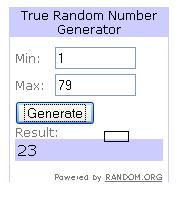 Purex Complete Crystals Winner