
-
Affiliates
What a Month Without Evening Screens Taught Me
For one month, our family put away phones, tablets, television remotes, and laptops after dinner. The goal was not to become a perfectly unplugged household or pretend screens have no place in family life. I simply wanted to see what would happen if our evenings were shaped by conversation, chores, books, and boredom instead of notifications and streaming queues.
At first, the change felt surprisingly awkward. I was used to checking messages while helping with homework, scrolling while dinner cooked, and watching one more episode after the kids went to bed. Removing those habits created a quiet space, but quiet can feel uncomfortable before it starts to feel peaceful.
By the end of the month, I had learned that reducing screen time was less about enforcing a strict rule and more about noticing what our family had been missing. The experiment changed our bedtime routine, my attention span, and the way I thought about being present as a mom.
The First Week Felt Longer
The first few evenings dragged. Without television in the background, dinner seemed to take longer, and the usual transition from homework to bedtime felt less automatic. The kids asked what they were supposed to do, even though their rooms were full of books, toys, art supplies, and games.
I also discovered how often I reached for my phone without a clear reason. I would unlock it while waiting for pasta water to boil or during a brief pause in conversation. That small habit was harder to break than I expected because it had become part of the rhythm of my day.
Instead of filling every empty moment, we began leaving some moments empty. The children built elaborate forts, played cards, and argued over whose rules were correct. Those activities were not always quiet or tidy, but they gave the evening a sense of movement that did not come from a screen.
Our Evenings Became More Predictable
Once the initial resistance faded, we created a simple pattern. After dinner, the kids helped clear the table, then we moved into reading, drawing, board games, or free play. I handled a few household tasks while they played, and we gathered again before bedtime.
The routine worked because it was flexible. Some nights we read together, while other nights everyone wanted personal space. We did not need a long list of screen-free activities. A basket of library books, a deck of cards, and a few colored pencils were enough to get started.
I also had to be more intentional about my own habits. It was easy to say I wanted the children to disconnect while keeping my phone beside me. During the month, I charged it in another room after dinner. That small boundary helped me focus on my family instead of dividing my attention between real life and whatever appeared on the screen.
The Quality Of Conversation Changed
Without a show competing for our attention, conversations became more detailed. The kids told me about small moments from school that might otherwise have been forgotten. We talked about friendships, worries, funny classroom stories, and plans for the weekend.
Some conversations happened while folding laundry or washing dishes. Others came during bedtime when the house was calm. I learned that children often open up when there is no pressure to have a serious talk. A quiet activity side by side can feel safer than sitting across from each other and asking for updates.
The experience also connected with what I have learned about my mom identity. Being attentive to my children does not mean disappearing as a person. It means deciding when my attention matters most and protecting those moments from constant digital interruptions.
What Changed From Week To Week
The difference was gradual rather than dramatic. By tracking the pattern loosely, I could see which benefits appeared quickly and which required more patience.
| Area of Family Life | Early In The Month | By The Final Week |
|---|---|---|
| Bedtime | Delayed by one more episode or phone check | More consistent and calmer |
| Conversation | Short updates and distractions | Longer stories and shared jokes |
| Children’s play | Frequent requests for entertainment | More independent imaginative play |
| My attention | Divided between family and devices | More focused during family time |
| Household mood | Restless during transitions | More settled after dinner |
Sleep was one of the clearest changes. The children did not suddenly fall asleep instantly, but bedtime became less drawn out. I noticed that I felt calmer too, especially when I stopped ending the day with an endless stream of news, messages, and social media posts.
Boredom Turned Out To Be Useful
I used to see boredom as a problem that needed to be fixed quickly. During this experiment, I watched my children move through boredom and eventually create something. They invented games, rearranged toys, made paper decorations, and found ways to entertain each other without needing me to direct every minute.
That did not happen every time. There were complaints, sibling disagreements, and evenings when everyone was tired. Screen-free family time did not eliminate ordinary parenting struggles. It simply made us more aware of them, which gave us a chance to handle them without adding another layer of distraction.
Boredom also gave me room to think. I planned meals, organized the next day, and sometimes sat with a cup of tea without reaching for my phone. The quiet helped me recognize how much mental space I had been giving to content that I would barely remember the next morning.
The Habits Worth Keeping
I do not plan to ban screens permanently. Television, online work, video calls, and digital entertainment all have a place in our household. The month showed me that the issue was not technology itself. The issue was allowing easy access to replace choices we actually valued.
These are the habits I want to keep:
- Charging phones away from the dinner table and bedrooms whenever possible
- Keeping the first part of the evening free from television and scrolling
- Having simple activities ready for tired nights
- Protecting one-on-one conversations with each child
- Choosing entertainment deliberately instead of watching by default
The most useful rule was also the simplest: screens should support our family life, not quietly take it over. We can enjoy a movie night or use a device when it serves a purpose, then return to conversation and rest without treating disconnection as a punishment.
A More Intentional Family Rhythm
A month without evening screens taught me that attention is one of the clearest ways I show love. My children may not remember every game we played or every conversation we had, but they will grow up sensing whether home was a place where people looked up, listened, and made room for one another.
I also learned to give myself grace. Some evenings will be messy, and some will include a favorite show. Balance does not require perfect consistency. It requires noticing when a habit is helping and when it is quietly taking more than it gives.
Try setting aside one screen-free evening this week, put the devices out of reach, and let your family discover what fills the space. The result may be noisy, ordinary, funny, and far more meaningful than expected.


 Durex House Party “He Said/She Said” Challenge [Giveaway]
 Durex House Party: Introducing the LOVE BOX [Giveaway]
 Welcome to the Durex House Party [Giveaway]
 Nursing Scrubs
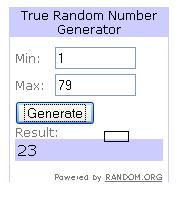 Purex Complete Crystals Winner