
-
Affiliates
What ten years of parenting taught me about marriage
Ten years of parenting has changed nearly every part of my marriage. The way my husband and I spend time together, solve problems, handle money, and show affection looks different from it did before children. Some changes were expected, like fewer quiet dinners and more conversations interrupted by someone needing a snack. Others surprised me.
Parenthood placed our relationship inside a constant stream of practical decisions. We became a team responsible for schedules, school forms, meals, bedtime, discipline, household costs, and the emotional needs of our children. That teamwork has tested us, strengthened us, and shown me that a long-term relationship is built in ordinary moments.
I have learned that a healthy marriage after children is less about recreating the past and more about recognizing the new season. Romance still matters, but so do patience, shared responsibility, honest communication, and the small ways we remind each other that we are partners before we are simply co-managers of family life.
Parenting changes the shape of partnership
Before kids, it was easy to measure connection by date nights, long conversations, or spontaneous plans. After becoming parents, connection often appeared in less glamorous forms: packing lunches together, trading school pickups, or quietly handling bedtime so the other person could rest.
That does not mean couples should stop planning special time. It means affection cannot depend entirely on perfect circumstances. A hand on the shoulder while passing in the kitchen, a thoughtful text during a busy workday, or saving the last piece of dessert can carry real weight when everyone is tired.
The marriage has to fit the life you are actually living. Waiting for a completely free weekend or a child-free evening can make closeness feel impossible. We have found that small moments count because they happen more often.
Communication needs more honesty and less scorekeeping
Parenting creates plenty of opportunities to keep score. Who woke up with the baby? Who bought groceries? Who made the appointment? Who had to leave work early? Those questions may begin as attempts to understand the workload, but they can quickly turn into evidence in an argument.
I learned that fairness does not always mean doing identical tasks. It means recognizing the total load and making adjustments when one person is carrying too much. Sometimes one of us needs practical help. Other times, we need reassurance that our effort has been noticed.
Clear requests work better than silent resentment. “I need twenty minutes alone after dinner” is easier to respond to than an unexplained mood. We still misunderstand each other, but direct conversations help us repair disagreements before they become a permanent collection of complaints.
Shared values matter more than shared preferences
My husband and I do not have to enjoy every activity in the same way to have a strong marriage. We can have different opinions about entertainment, hobbies, or how to spend a free afternoon. What matters more is the foundation beneath those preferences.
Parenting has made our shared values visible. We care about raising kind, capable children, creating a stable home, and giving our family meaningful experiences without ignoring our budget. Those priorities guide decisions when we disagree about details.
The same principle applies to family traditions and fun. A themed movie night, a small celebration, or browsing a giveaway corral together can become part of the personality of a household. The activity itself is less important than the feeling that we are building family memories as a team.
| Marriage lesson | What it looks like in daily life | Why it matters |
|---|---|---|
| Share the invisible work | Talk about planning, remembering, and emotional labor, not just visible chores | It prevents one partner from becoming the default manager |
| Protect small moments | Use short conversations, affectionate gestures, and simple shared routines | Connection remains possible during busy parenting seasons |
| Speak directly | Make specific requests instead of expecting mind-reading | Clear communication reduces resentment |
| Allow different strengths | Let each person contribute in ways that match their abilities | Teamwork becomes more flexible and realistic |
| Repair after conflict | Apologize, listen, and return to the conversation | Disagreements do not have to define the relationship |
| Keep growing together | Make room for individual interests and shared goals | Marriage stays connected to the people you are becoming |
Teamwork should include emotional care
It is easy to praise a partner for completing a task and overlook the emotional labor surrounding it. Making a doctor’s appointment may take five minutes, but remembering the appointment, preparing the child, arranging transportation, and worrying about the outcome can occupy someone’s mind for days.
A strong parenting partnership includes asking how the other person is doing, not simply asking what still needs to be done. Sometimes support means taking over a chore. Sometimes it means listening without immediately offering a solution. Both forms of care are valuable.
I have also learned that being dependable does not mean being endlessly self-sufficient. Marriage becomes healthier when both people can admit they are tired, overwhelmed, or unsure. Asking for help gives the other person a chance to participate instead of forcing them to guess.
Romance becomes more intentional
Romance after ten years of parenting rarely arrives by accident. There are too many schedules, responsibilities, and interruptions. If we want time together, we have to protect it rather than assume it will appear.
That time does not have to be expensive. A walk, coffee after the kids are asleep, a shared show, or a conversation in the car can help us reconnect. The important part is making space for the relationship as something with its own needs.
Physical affection matters too, though it may look different during exhausting seasons. A hug before work, sitting close on the couch, or holding hands while running errands keeps warmth present. Marriage needs tenderness even when life is practical and crowded.
We are still individuals within the family
Parenting can make a couple forget that each person existed before the children arrived. Personal interests, friendships, work goals, and quiet time are not signs of selfishness. They help each partner remain a whole person.
Giving each other room to recharge has improved the way we show up at home. A rested parent is usually more patient, and a supported spouse has more energy for connection. That space must work both ways, with consideration for the family’s needs and an honest agreement about timing.
I also appreciate that we continue to change. The people we were when we first became parents are not exactly the people we are now. Marriage requires curiosity about those changes. We have to keep learning each other instead of assuming we already know everything.
Daily choices that protect the relationship
- Say thank you for ordinary work that could easily go unnoticed.
- Discuss the family schedule before it becomes an emergency.
- Make room for short, regular time together instead of waiting for a perfect date.
- Ask for help clearly and offer help without treating it as a favor.
- Apologize quickly when frustration turns into unkindness.
The biggest lesson I have learned about marriage after ten years of parenting is that commitment lives in repeated choices. We choose patience when a conversation is inconvenient. We choose honesty when resentment would be easier. We choose to remember that the person beside us is a partner, not an opponent.
Our children will grow, routines will change, and the demands of family life will continue to shift. The marriage we build through those seasons deserves attention, laughter, forgiveness, and room to breathe. Keep choosing the small acts of care, make time for your spouse this week, and let those ordinary choices strengthen the family you are creating together.


 Durex House Party “He Said/She Said” Challenge [Giveaway]
![Durex House Party: Introducing the LOVE BOX [Giveaway]](/wp-content/uploads/HLIC/2ed7178346e419ad5c79280a7d5dd0aa.png) Durex House Party: Introducing the LOVE BOX [Giveaway]
Durex House Party: Introducing the LOVE BOX [Giveaway]
![Welcome to the Durex House Party [Giveaway]](/wp-content/uploads/HLIC/b3517de65f98905a68b0497aa5152005.png) Welcome to the Durex House Party [Giveaway]
Welcome to the Durex House Party [Giveaway]
 Nursing Scrubs
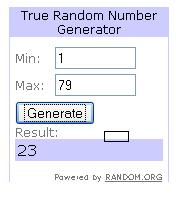 Purex Complete Crystals Winner