
-
Affiliates
Finding My Footing When Parenting Feels Like Too Much
Some days, parenting feels like a long list of urgent needs with no space left for my own. Someone needs a snack, a ride, help with homework, a clean shirt, a referee, or reassurance. At the same time, work, meals, laundry, appointments, and relationships continue asking for attention.
When I feel overwhelmed by parenting demands, I try to remember that the feeling is information, not a personal failure. It usually means I have been carrying too many decisions, emotions, and responsibilities without enough recovery time. Naming that helps me respond with care instead of criticizing myself.
I have learned that I do not need a perfect family routine to feel better. I need a few simple ways to lower the noise, choose what matters most, and reconnect with my children without expecting myself to solve everything in one afternoon.
I Pause Before Trying To Fix Everything
My first step is a short pause. I put down whatever I am holding, take a few slow breaths, and notice what is happening in my body. A tight jaw, racing thoughts, or the urge to snap usually tells me I need a reset before making another decision.
Sometimes that pause happens in the bathroom, in the car before school pickup, or beside the kitchen counter. It does not have to look peaceful or last twenty minutes. Even sixty seconds can create enough space to replace an automatic reaction with a calmer response.
I also say the situation out loud: “I am overloaded right now.” That sentence separates my identity from the moment. I am not a bad mother because the day feels unmanageable; I am a tired person who needs to reduce the pressure.
I Separate Urgent From Important
When every request feels urgent, I make three mental categories: must happen today, can wait, and can be skipped. Dinner may need to happen, but folding the laundry can wait. A child’s emotional distress deserves attention, while an optional errand may be postponed.
This keeps ordinary parenting responsibilities from becoming one giant emergency. I choose the next necessary task rather than reviewing the entire week in my head. A short list with three realistic priorities is more useful to me than an ambitious schedule that guarantees guilt.
I have also become more willing to serve simple meals, repeat outfits, and leave nonessential chores unfinished. Lowering household standards temporarily gives me energy for the people who need me most.
I Create A Small Reset For The Household
A reset works better when it includes the children instead of treating them as the reason I need one. We might tidy one room for ten minutes, turn on music, make an easy snack, or step outside together. Small changes in the environment can soften everyone’s mood.
If the children are old enough, I explain that the family is having a low-energy evening. That may mean fewer activities, quieter voices, and a simple dinner. They learn that caring for one another includes noticing when someone needs a slower pace.
I keep a few light distractions available for hard days, too. Looking through funny posts or saving a little treat from the giveaway corner can provide a brief mental break when I need something cheerful that does not require much effort.
| When I Notice | What I Do First | What I Let Go |
|---|---|---|
| Irritability over small messes | Drink water and step away briefly | Perfect tidiness |
| Too many competing requests | Pick the one true priority | Nonessential errands |
| Mental exhaustion at dinner | Make the easiest available meal | Variety and presentation |
| Feeling guilty about screen time | Set a clear, limited plan | Unrealistic entertainment standards |
| Tears or shutdown | Ask for support and reduce noise | Pretending everything is fine |
I Use Simple Words With My Children
Overwhelm can make me quiet, sharp, or distracted. When I notice that happening, I try to give my children a clear explanation without placing adult responsibility on them. “I am having a hard day, and I need five quiet minutes” is honest and easier for them to understand than sudden irritation.
I also repair quickly when I lose my patience. I apologize, explain that my reaction was too strong, and return to the issue. An apology does not erase the difficult moment, but it shows my children that relationships can recover after frustration.
Sometimes connection is as simple as sitting beside them, rubbing a back, reading one short book, or sharing a snack. I do not need to create a magical family memory every time the day goes wrong. A small moment of attention can be enough to restore closeness.
I Ask For Specific Help
“Can you help me?” can feel too vague, especially when everyone is busy. I get better results when I ask for one specific thing: picking up groceries, handling bedtime, washing dishes, or taking a child to an appointment. Clear requests make it easier for another adult to see how they can contribute.
I also try to accept help without adding extra instructions. If someone folds towels differently or serves a meal I would not have chosen, that is still support. Holding onto every detail keeps me at the center of every task, which is exactly where I cannot remain when I am depleted.
When outside help is unavailable, I look for small forms of community. A text to a trusted friend, a shared school pickup, or an honest conversation with a family member can remind me that parenting was never meant to be managed in isolation.
I Keep A Short Relief List
On calm days, I write down activities that help me recover without requiring much planning. Having the list ready matters because an overwhelmed brain is poor at generating solutions. My options are modest, practical, and available in the middle of family life.
- Sit in the car for five quiet minutes before going inside
- Drink coffee or tea without multitasking
- Take a shower and change into comfortable clothes
- Watch one familiar, funny show after the children settle
- Text someone who makes me feel understood
I do not treat these choices as rewards I must earn after finishing everything. Rest is part of maintaining patience, attention, and emotional balance. Even a small break can make the next parenting decision feel less impossible.
I Protect A Little Recovery Time
The best way I handle parenting overload is to notice it before I reach a breaking point. That means paying attention to sleep, skipped meals, constant rushing, and the feeling that I have not had one uninterrupted thought all day. Those signs deserve action, even when the calendar is full.
I cannot remove every demand from family life, and I do not expect myself to stay calm every minute. I can pause, simplify, communicate, and repair. Those choices help me move through demanding seasons without believing that I have to carry them flawlessly.
If these feelings become constant, frightening, or connected to hopelessness, I reach out to a healthcare professional or someone I trust. Parenting can be exhausting, but support should be part of the plan rather than a last resort.
When the day feels too full, I return to the basics: breathe, choose one priority, lower the standard, and connect with my children in a small way. Visit Country Girl City Life for more personal stories about family life, budgeting, relationships, and the ordinary moments that make parenting feel a little less lonely.


 Durex House Party “He Said/She Said” Challenge [Giveaway]
 Durex House Party: Introducing the LOVE BOX [Giveaway]
 Welcome to the Durex House Party [Giveaway]
 Nursing Scrubs
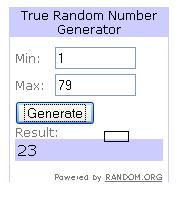 Purex Complete Crystals Winner