
-
Affiliates
What Our After-School Week Really Looks Like
After-school activities sound simple when they are written on a calendar. In real life, they involve snack wrappers, missing shoes, homework folders, traffic, changing clothes in the car, and trying to remember whether everyone has had enough water. Our week has a rhythm, but it is rarely perfectly tidy.
With children at different ages and stages, each afternoon brings a slightly different combination of school pickup, practice, errands, dinner, and downtime. Some activities are structured and scheduled, while others are wonderfully low-key. The balance matters because our family needs both movement and breathing room.
This is what a typical week looks like for us, including the small routines that keep extracurricular activities from taking over every evening.
Monday Starts With A Reset
Monday is usually our quietest afternoon. After a full school day and a busy weekend, the kids need time to decompress before jumping into anything demanding. We have a snack, unpack backpacks, check homework, and talk through what the week holds.
That short pause helps me catch problems before they become emergencies. A permission slip gets signed, a library book gets located, and sports clothes can be washed before they are urgently needed. I also use Monday to look at our family calendar and confirm practice times, appointments, and work commitments.
We may take a walk, play outside, or simply spend time at home. Beginning the week slowly gives everyone a better chance of handling the busier afternoons ahead.
Tuesday Brings The First Big Commitment
Tuesday is often our most active weekday. One child may have sports practice while another has dance, music, or another regular class. The timing can make the late afternoon feel like a relay race, especially when pickup, snacks, and transportation overlap.
I have learned that a portable snack is essential. Fruit, crackers, granola bars, and water bottles often prevent the “I’m starving” meltdown that arrives five minutes before practice begins. We also keep a small activity bag in the car for siblings who are waiting through someone else’s lesson.
The evening meal is usually something practical rather than ambitious. A slow-cooker dinner, leftovers, sandwiches, or a quick pasta dish gives us more time to focus on getting everyone where they need to be.
| Day | Main Focus | What Helps Most | Evening Energy |
|---|---|---|---|
| Monday | Rest and organization | Calendar check and homework review | Low |
| Tuesday | Sports or lessons | Packed snacks and car organization | High |
| Wednesday | Homework and family time | A slower schedule | Moderate |
| Thursday | Practice or community activity | Easy dinner plan | High |
| Friday | Fun and flexibility | Minimal commitments | Relaxed |
Wednesday Is Our Breathing Room
Wednesday is the middle of the week, so I try not to fill every available minute. If there is no scheduled activity, we use the afternoon for homework, reading, outdoor play, or a simple family errand. It is also a good day for the kids to have unstructured time together.
Unstructured time can be surprisingly valuable. The children make up games, build with toys, draw, or watch a favorite show while I handle work around the house. They do not need every hour to be educational or productive. Sometimes the best part of the week is having nowhere to rush.
This is also when I notice how tired everyone really is. If moods are short and bedtime is becoming difficult, that is usually a sign that we need to protect more quiet time rather than add another activity.
Thursday Tests Our Planning
Thursday often includes another practice, club meeting, or community event. By this point, the week’s laundry and dishes have multiplied, school assignments are due, and everyone is thinking about the weekend. A little advance preparation makes a noticeable difference.
I try to set out clothes, pack bags, and decide on dinner earlier in the day. The kids have age-appropriate responsibilities, too. They can find their shoes, gather water bottles, and put activity supplies by the door. These small tasks save time and help them understand that family schedules are shared responsibilities.
Parenting has taught me that preparation does not eliminate chaos, but it makes chaos easier to manage. The same is true of many childhood milestones. Looking back, I wish I had known a few things before beginning potty training, and I feel the same way about creating a workable activity schedule: flexibility matters more than perfection.
Friday Leaves Room For Fun
Friday is usually our most flexible afternoon. After school, we may order takeout, visit family, watch a movie, or let the kids play without checking the clock. If an optional activity comes up, we decide based on everyone’s energy instead of assuming we have to attend every event.
The children enjoy having a predictable break at the end of the school week. It gives them something pleasant to anticipate and gives me a chance to catch up on work, household tasks, or absolutely nothing at all.
Some Fridays are still busy, especially during sports seasons or special school events. Even then, I try to keep the evening simple. A relaxed ending helps us start the weekend without feeling as though we are already behind.
What Keeps Our Schedule Manageable
The biggest lesson has been that activities need to fit our family rather than define it. We consider the cost, transportation, practice schedule, homework demands, and the child’s genuine interest before adding something new. An activity may be wonderful, but it may still be wrong for this season of our lives.
Our most useful habits are simple:
- Keep one shared calendar where every practice, event, and appointment is recorded.
- Pack snacks, water bottles, and backup clothes before leaving the house.
- Leave at least one weekday afternoon mostly unscheduled.
- Choose easy dinners for nights with activities.
- Revisit the schedule when the children seem exhausted or unhappy.
We also pay attention to the difference between a child being temporarily nervous and a child consistently dreading an activity. Trying something new can take courage, but family activities should bring more growth and enjoyment than constant stress.
The goal is not to create a perfectly productive week. It is to make room for the commitments our children care about while protecting family dinners, rest, homework, and time to simply be together.
Our after-school routine changes as the children grow, seasons shift, and new interests appear. For now, this mixture of practices, quiet afternoons, snacks in the car, and relaxed Fridays works for us. Share your family’s weekday rhythm with someone who is trying to make the school-year schedule feel a little more manageable, and use these ideas as a starting point for your own calendar.


 Durex House Party “He Said/She Said” Challenge [Giveaway]
 Durex House Party: Introducing the LOVE BOX [Giveaway]
 Welcome to the Durex House Party [Giveaway]
 Nursing Scrubs
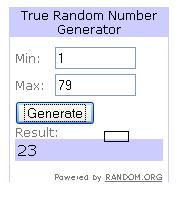 Purex Complete Crystals Winner