
-
Affiliates
When Potty Training Follows You Out The Door
Potty training can feel manageable at home, where the toilet is familiar, spare clothes are within reach and accidents can be cleaned up without an audience. Then a child announces they need to go while you are halfway through a supermarket shop, waiting for coffee or standing in a queue at the chemist.
Public outings add a whole new layer to toilet learning. There are unfamiliar bathrooms, automatic flushes, crowded spaces and the small problem of reaching the loo before those urgent little footsteps turn into a disaster. Even a child who has been dry for days can become overwhelmed when the routine changes.
For Australian families, this often means learning to navigate shopping-centre parenting rooms, council toilets, long drives and hot afternoons at the park. Potty training away from home is less about achieving perfect control and more about building confidence, preparation and a sense of humour.
Why unfamiliar toilets can feel frightening
A public bathroom is a sensory experience that can be surprisingly intense for a young child. Hand dryers roar, taps turn on unexpectedly and automatic flushes can sound like thunder in a small cubicle. A child who happily uses the toilet at home may refuse to sit on a strange seat or panic when the toilet flushes before they are ready.
The layout can be confusing, too. Some Australian shopping centres have excellent family rooms with tiny toilets and change tables, while others offer a standard cubicle that is difficult for a small child to use. A busy café may have a loo down a narrow corridor, and a park toilet may be further away than your toddler can manage.
Before an outing, explain what might happen in simple language. Let your child know that public toilets can be noisy and that you will stay close. If they are anxious about flushing, cover the sensor or let them move away before you press the button.
Packing for the accidents you hope to avoid
A practical toilet-training kit can make a stressful moment feel much more manageable. Keep spare underwear, shorts or leggings, socks and a plastic bag in your nappy bag or car. Even when nappies are no longer part of the daily routine, an emergency change of clothes is still worth carrying.
Wet wipes, hand sanitiser and a small towel are useful additions, especially when the nearest bathroom is at a playground or beside a footy oval. A foldable toilet seat or disposable seat covers may help children who dislike sitting directly on public toilets. A portable step can be useful for handwashing, although it is easier to leave that one in the car.
The Australian climate adds another consideration. On a hot Queensland day, damp clothing becomes uncomfortable quickly, while a winter outing in Victoria can turn a minor accident into a shivering dash back to the car. Keep supplies in an easy-to-reach bag rather than buried beneath snacks, sunscreen and the spare thongs.
Planning around real family routines
Toilet training does not pause for school drop-off, a trip to Woolies or a Saturday morning at Bunnings. Try offering the toilet before leaving home, even if your child says they do not need to go. This is not about forcing them to sit for ages; it creates a familiar transition between home and the outing.
Think about the destination before you arrive. A quick search for accessible facilities can be helpful, particularly at large venues, beaches and regional towns where public toilets may be spread out. Shopping centres such as Westfield locations often have family facilities, but finding them can take time, so note their position when you enter.
It is also sensible to avoid making every outing an endurance test. A short visit to the local shops may be more successful than a three-hour trip across town. When a family day includes a museum, lunch and a playground, build in bathroom breaks rather than waiting for a child to announce an emergency.
Responding calmly when things go wrong
Public accidents can attract attention, but children rarely need a dramatic response. Speak quietly, reassure your child and move to a private space if possible. A simple “Accidents happen; we’ll get you changed” protects their dignity and keeps the moment from becoming a lasting source of shame.
Parents can feel embarrassed, particularly when other people are waiting for a toilet or a café chair has been affected. Still, frustration usually makes the child more nervous. Deal with the practical mess first, then talk about what happened later when everyone is calm.
A child may also have an accident because they were too absorbed in a game, distracted in a new environment or unsure how to ask for help. That does not erase their progress. Potty learning is uneven, and one wet pair of pants in a public place is information rather than failure.
Helping children take more responsibility
As confidence grows, give your child small jobs. They can carry the spare underwear, tell you when they need the loo or check that their trousers are pulled down properly. These tasks create independence without expecting them to manage everything alone.
Practise the practical skills at home. Children can learn to lock a cubicle, wipe carefully, flush when they are ready and wash their hands with soap. Role-playing a visit to a public toilet can make the real experience less unfamiliar, especially for children who dislike change.
It is still important to supervise closely. Public bathrooms have slippery floors, heavy doors and hot hand dryers, and children may need help with clothing. Stay within reach while allowing them to do the steps they can manage.
Keeping outings positive
A successful public toilet visit deserves quiet encouragement rather than a large performance. Praise the behaviour you want to reinforce: telling you early, trying a new toilet or washing hands afterwards. A small sticker chart at home can help some children, while others respond better to a cuddle and a cheerful “You did it.”
Avoid turning every outing into a countdown to the bathroom. Children need opportunities to enjoy the park, library or family event without feeling watched for signs of failure. If they refuse to use a public toilet, offer another chance later and keep a backup plan ready.
The everyday stories behind these moments are part of family life, which is why personal reflections and practical parenting experiences on Country Girl City Life can feel so relatable. A child who once needed a frantic dash to the nearest loo may eventually walk confidently into a shopping-centre bathroom, and that progress often arrives quietly.
Pack the spare clothes, locate the family room and leave extra time before heading out. With patience and a little Australian-style “no worries” spirit, public toilet training becomes another ordinary part of raising children—messy, unpredictable and entirely survivable. Share the honest moments with other parents, because a reassuring story can make the next public accident feel far less overwhelming.


 Durex House Party “He Said/She Said” Challenge [Giveaway]
![Durex House Party: Introducing the LOVE BOX [Giveaway]](/wp-content/uploads/HLIC/2ed7178346e419ad5c79280a7d5dd0aa.png) Durex House Party: Introducing the LOVE BOX [Giveaway]
Durex House Party: Introducing the LOVE BOX [Giveaway]
![Welcome to the Durex House Party [Giveaway]](/wp-content/uploads/HLIC/b3517de65f98905a68b0497aa5152005.png) Welcome to the Durex House Party [Giveaway]
Welcome to the Durex House Party [Giveaway]
 Nursing Scrubs
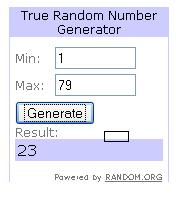 Purex Complete Crystals Winner