
-
Affiliates
The Surprising Way We Save Money on Birthday Presents for Friends
Birthday presents for friends can quietly eat into the family budget. There is the gift itself, wrapping paper, a card, petrol for getting to the party and, quite often, a last-minute trip to the shops because somebody forgot to mention the celebration until Friday afternoon.
With several children and a calendar full of parties, I wanted our gifts to feel thoughtful without spending a small fortune each month. The answer was much simpler than hunting for constant clearance bargains: we stopped buying every present separately.
Instead, I shop for birthday gifts in batches. When I find useful, fun items at a good price, I buy several, put them away and build a small gift cupboard. It has made those rushed Saturday-morning shopping trips far less common.
This works particularly well in Australia, where Kmart, Big W, The Reject Shop and supermarket toy aisles regularly have affordable items that children genuinely enjoy. It also gives me room to choose something suitable rather than grabbing the first thing left on the shelf.
| Gift approach | Typical cost | Time involved | How personal it feels |
|---|---|---|---|
| Last-minute single purchase | $25–$40 | High | Depends on availability |
| Gift cupboard item | $10–$20 | Low | Personalised with a small extra |
| Homemade bundle | $8–$18 | Moderate | Very personal |
| Shared sibling purchase | $20–$30 total | Low | Works well for close friends |
The Gift Cupboard Makes Spending Predictable
The cupboard is not filled with random clutter. I look for items that suit a broad range of ages, such as art sets, card games, puzzle books, drink bottles, hair accessories, outdoor toys and craft kits. I avoid anything too gendered or linked to a very specific interest unless I already know the child well.
I usually aim to spend between $10 and $20 per gift. If something normally priced at $25 is reduced to $12 at Kmart or Big W, I may buy two or three. That gives me a better value than paying full price for a similar item the week before a party.
I keep a simple note on my phone listing what I have and the approximate age each item suits. Otherwise, it is easy to forget what is tucked behind the board games and accidentally buy another colouring set for the fourth birthday in a row.
Small Extras Make Affordable Gifts Feel Special
A budget present does not need to look cheap. Presentation does a lot of the work. I keep rolls of bright wrapping paper, gift bags saved from previous celebrations, ribbon and blank cards in the same cupboard. Reusing bags is perfectly normal in our house, especially when they are still in good condition.
I also add a small extra when the main present is inexpensive. A packet of stickers, a novelty pencil, a chocolate frog or a few hair ties can turn a $12 gift into a cheerful little bundle. For younger children, bubbles or chalk are inexpensive additions that often get used straight away in the backyard.
This is where Australian party culture helps. Many children’s parties include lolly bags, so I do not feel pressure to create an enormous present. A useful gift and a handwritten card are enough, whether the celebration is at home, at a local park or at a play centre on a rainy Melbourne afternoon.
Buying in Batches Stops the Birthday Panic
The biggest saving is not always the sticker price. It is avoiding emotional, rushed spending. When a party invitation arrives for next weekend, I can check the cupboard, choose something suitable and wrap it after the children are in bed. There is no frantic Saturday arvo run through crowded shops.
I also watch for end-of-season sales, clearance shelves and multi-buy offers. In Australia, school holidays and Christmas often bring discounts on craft supplies, outdoor games and books. I might buy summer toys after Easter or stationery after the back-to-school rush, then store them for later birthdays.
I keep the budget separate from ordinary grocery money where possible. A small amount set aside each payday covers future presents, cards and wrapping. That makes the cost feel steady rather than producing several surprise expenses in the same fortnight.
Experience Gifts Can Cost Less Than More Stuff
Sometimes the best present is something children can do. A homemade voucher for an afternoon at the park, a playdate with afternoon tea, or a baking session can be especially lovely for close friends. It costs very little and gives the children time together rather than adding another toy to an already full bedroom.
For older children, I have used small experience bundles: a packet of popcorn with a cinema voucher, art supplies with a promise to create together, or a picnic kit for a beach day. The value comes from combining a modest item with an activity.
These gifts suit Australian family life because free or low-cost outings are everywhere. A trip to the library, a playground, a local swimming spot or a community festival can be more memorable than an expensive product. The important part is knowing the family and making sure the idea is practical for them.
The Same Rule Helps With Our Whole Budget
This batch-buying habit has changed how I think about other purchases too. When I was working out the cost of everyday essentials, including nursing scrubs, I learned that comparing prices before something becomes urgent makes a real difference. Birthday shopping follows the same principle.
I now pause before buying anything and ask whether it is useful, age-appropriate and likely to be enjoyed. I also avoid stocking up just because a sign says “special”. A bargain is only a saving if we will actually use it, so the gift cupboard has a strict limit and gets checked regularly.
There are plenty of helpful ways to rethink spending, too. Reading about spending habits reminded me that small routines often matter more than one dramatic budget overhaul. Buying ahead, reusing materials and keeping a realistic present limit have saved us far more than chasing every possible deal.
The surprising part is how much calmer birthday season feels now. We still choose presents with care, but we are no longer treating every invitation as an emergency purchase. A thoughtfully selected gift from the cupboard, wrapped with a personal note, can be generous without stretching the household budget.
Try setting aside one small storage box for future birthday gifts, choose a spending limit that suits your family and add suitable items whenever you find a genuine bargain. Over time, those little preparations can make children’s celebrations easier on both the wallet and the weekly schedule.


 Durex House Party “He Said/She Said” Challenge [Giveaway]
![Durex House Party: Introducing the LOVE BOX [Giveaway]](/wp-content/uploads/HLIC/2ed7178346e419ad5c79280a7d5dd0aa.png) Durex House Party: Introducing the LOVE BOX [Giveaway]
Durex House Party: Introducing the LOVE BOX [Giveaway]
![Welcome to the Durex House Party [Giveaway]](/wp-content/uploads/HLIC/b3517de65f98905a68b0497aa5152005.png) Welcome to the Durex House Party [Giveaway]
Welcome to the Durex House Party [Giveaway]
 Nursing Scrubs
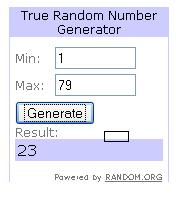 Purex Complete Crystals Winner