
-
Affiliates
What a Stubborn Little Aussie Taught Me About Patience
I'd been crouched on the kitchen floor for what felt like an eternity, trying to wrestle my toddler into her shoes while the clock ticked toward preschool pickup. The front door was already open, the kettle had boiled twice, and I was mentally calculating the drive to kindy in peak-hour traffic. She, meanwhile, was busy inspecting a single speck of dust on the lino with the focus of a scientist. That was the morning I realised patience isn't something you learn before parenthood — it's something parenthood drags out of you, kicking and screaming.
Most parenting advice will tell you to model calm, breathe deeply, and count to ten. Helpful, sure. But nobody warned me that my two-year-old would become my most unlikely teacher, turning ordinary mornings into tiny masterclasses in slowing down. Looking back, the lessons she offered me were far more valuable than any book on a shelf.
The afternoon it all clicked
It happened at the park near our place, the one with the aging swings and the patchy grass that comes free with every Aussie summer. We were meant to be heading home for lunch, but my daughter had discovered a colony of ants marching along the footpath and was utterly mesmerised. I felt the familiar pull of impatience rising — sandwiches, screens, the long list of errands waiting in the car. Then I sat down next to her and actually watched.
The ants had a plan. They were patient, methodical, completely unbothered by the toddler looming over them. For ten whole minutes, I didn't rush her. I let her ask "why" seventeen times without answering with "because we have to go". When we finally walked home, hand in hand, I noticed something had shifted in me too. The list of jobs felt smaller. The day felt softer.
Growing up Australian means different clocks
Life in this country has its own pace, and toddlers seem to understand that better than adults do. While I was mentally juggling school runs, Woolworths click-and-collect windows, and after-work meetings, my daughter was busy watching a magpie hop across the back patio. There's a quiet rhythm to Australian family life — the long arvo by the beach, the Bunnings snag on a Saturday, the lazy Sunday roast — that my daughter seemed to instinctively honour.
I had been treating each day like a checklist to conquer. She was treating each day like something to notice. Over time, I started borrowing her slowness. I'd sit on the back step with my tea while she dug in the garden, no agenda, no phone. I began to realise that patience, for her, wasn't about waiting for something — it was about being fully where her feet already were.
Redefining patience beyond waiting
For years, I'd equated the word with endurance. Holding your tongue in a meeting. Smiling through a delayed flight. Sitting in traffic on the M1 without losing your mind. My toddler redefined the concept entirely. To her, patience was curiosity. It was allowing a moment to unfold without grabbing it.
I started noticing this everywhere. At the library's weekly rhyme time, she would listen to every song before deciding which one to clap for. In the bath, she'd pour water from cup to cup until the idea of volume made sense. None of it was efficient. All of it was rich. The lesson, I think, is that patience isn't the ability to tolerate delays — it's the willingness to let experiences arrive in their own time.
Tiny habits that build waiting muscles
Once I started paying attention, I realised there were small things I could weave into our day that would help both of us flex that muscle. Some were obvious, others surprised me with how effective they were.
- Letting her "help" with sorting the laundry, even when it takes three times longer
- Baking together on rainy Sunday afternoons, waiting for dough to rise
- Walking to the corner shop instead of driving, so the journey becomes the destination
- Sitting quietly for five minutes before bedtime, just noticing the room
None of these required a screen or a lesson plan. They were simply slow, sensory, and shared.
Why a gratitude journal keeps us grounded
Around the same time I started practising these small pauses, I began writing things down. Not in a productivity journal, but in something gentler — a simple record of the things we were grateful for each week. You can read more about our gratitude journal if you're curious, but the short version is this: it gave me a place to capture the moments I might otherwise rush past.
Writing down three small things each evening — the way she laughed at the sprinkler, the way the morning sun hit the kitchen bench, the kindness of a stranger at the servo — slowly rewired my brain. Patience became easier when I had proof, written in my own handwriting, that slow moments were the ones I remembered most.
How the whole family caught the rhythm
Within a few months, the shift had spread. My partner started leaving his phone in the car when he came home from work, choosing instead to wrestle our daughter into a bear hug at the front door. Weekends stopped being about ticking off tasks and became about long walks around the neighbourhood, fish and chips at the park, the kind of unremarkable afternoons that somehow become the ones you treasure.
Even the way we handle the chaos of Australian life has changed. We still navigate school pickups, grocery runs, and the occasional burst pipe in winter, but the pressure we put on ourselves to sprint through it all has softened. A few small rituals quietly reshaped our week:
- Friday night fish and chips eaten straight from the paper on the living room floor
- A slow Saturday breakfast that nobody is allowed to rush
- Sunday afternoon "family meetings" where even the toddler gets a vote
- One screen-free hour after work, just to land back in the same room
Our family rhythm now includes margins — space to notice, to wait, to let the day breathe.
If you're somewhere in the middle of this too
If your house currently resembles a tornado zone and your to-do list is judging you from the fridge, I want you to know that patience isn't a personality trait you're either born with or not. It's a muscle, and it grows in tiny, unglamorous moments — the spilled oats, the lost shoe, the toddler who insists on putting her own socks on (backwards, obviously).
You don't need a perfect plan. You just need a willingness to slow down enough to see what's already happening. If you'd like more stories, routines, and gentle reminders from our chaotic little household, you'll find plenty over at Country Girl City Life. Pull up a chair, grab a cuppa, and stay as long as you like.


 Durex House Party “He Said/She Said” Challenge [Giveaway]
![Durex House Party: Introducing the LOVE BOX [Giveaway]](/wp-content/uploads/HLIC/2ed7178346e419ad5c79280a7d5dd0aa.png) Durex House Party: Introducing the LOVE BOX [Giveaway]
Durex House Party: Introducing the LOVE BOX [Giveaway]
![Welcome to the Durex House Party [Giveaway]](/wp-content/uploads/HLIC/b3517de65f98905a68b0497aa5152005.png) Welcome to the Durex House Party [Giveaway]
Welcome to the Durex House Party [Giveaway]
 Nursing Scrubs
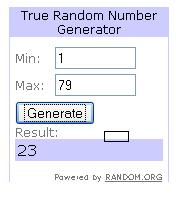 Purex Complete Crystals Winner