
-
Affiliates
Teaching Kids to Clean Up After Themselves Without the Daily Standoff
There are mornings in our Melbourne kitchen where I find toy dinosaurs in the cereal bowls and crayons migrating where they shouldn't. For a long while, I thought the goal was a spotless house by dinner. The actual goal was helping my kids feel capable of running their own patch of home. That shift changed things.
We tried sticker charts, reward jars, the dramatic sigh, and one Saturday "tidy tournament" that ended in tears and a pancake protest. Somewhere between the Lego in the carpet and the seventh sock under the couch, we landed on something calmer. It isn't a paid app. It is a handful of small habits on autopilot.
What finally shifted wasn't a stricter routine. It was shrinking the job until it felt doable, naming the steps out loud, and accepting that a six-year-old's best still leaves crumbs. There isn't a magic phrase that makes a toddler tidy Duplo on their own. But there is a quieter path through a few small, repeatable choices.
Start with one toy, one basket, one minute
When our eldest was four, I asked him to "clean your room" and he looked at me as if I'd asked him to fly to the moon. The room was an abstract swamp of stuff. So we broke it down: one type of toy at a time, one basket, a timer set for a minute. When the buzzer went, the Duplo was in the basket and he looked genuinely pleased with himself.
The golden rule at our place is to match the task to the attention span. Australian early childhood educators talk about scaffolding tasks, which is a fancy way of saying you take a giant job and prop up the hard bits. So instead of "tidy the playroom," we say "put the trains back." The smaller the noun, the smaller the resistance.
We keep the baskets where the toys live. No hauling six tubs from the garden shed every afternoon. The toy library sits three steps from the loungeroom, and the art caddy stays on the kitchen bench. When the system fits the child's habits instead of my Pinterest dreams, the tidy happens without a reminder.
Two tidy moments a day, both under five minutes
Routine only works if it doesn't eat the evening. We tried a "tidy all day, every day" approach and within a week we were all grumpy. Now we run two short sessions, one before afternoon tea and one before bath. The whole thing takes about the length of one slow song on the radio.
A small kitchen timer from the discount shop changed the feel of it. When the kids hear the buzz, the tidy is over. If they beat the buzzer, we clap. If not, that is fine too. The point is the habit landing in their body so that one day they do it without thinking, the way we hang the keys by the door.
We also try not to use tidy-up time as a punishment. If I sent a child to their room to "go and tidy" every time they misbehaved, the act would become linked to shame. Tidying is just part of the rhythm of the day, like brushing teeth. On weekdays with after-school care, the routine shifts but the two-slot shape stays the same.
Baskets, labels and a fridge chart that actually gets looked at
A trip to Bunnings for cheap crates and chalkboard labels gave us the visual backbone of this system. Every basket in the play area has a label with a picture: blocks, cars, soft toys, dress-ups. My seven-year-old reads, my four-year-old matches pictures to toys. Even half asleep, I can point to a basket and they know what to do.
The fridge chart is a strip of laminated cards on magnetic tape. Each kid has their own column, and they flip a card from red to green after a tidy. There is no star, no prize, no pocket money attached. The flip itself is the reward. Occasionally I'll suggest the park after two greens, but only when I have the energy.
We've noticed that baskets with lids get the toys dumped on top. So most of ours are open-topped and at child height. If something ends up under the couch, that is the mess tax for living in a small weatherboard house with three small people. Life is too short to chase every puzzle piece.
What to do when they flat-out refuse
Every now and again, one of the kids just says no. Not "in a minute" no. Full-body, arms-crossed, legs-planted no. In the old days, I'd escalate. Now I try to work out what is underneath. Is it hunger? Have we just got home from soccer at the local oval? Did the Duplo tower get knocked over? Usually it is one of those.
We have a short non-negotiable list: school bag by the door, lunchbox rinsed on the rack, dirty washing in the basket. Everything else is a negotiation. If a child can't possibly put a toy away, I might swap: I'll put the trains away if they pop the library books on the shelf. Shared load, shared effort.
Comparing the approaches we've leaned on over the years, here is what actually stuck at our place and what was quietly dropped by week three.
| Approach | What it looked like at our place | How the kids reacted | Whether it stuck |
|---|---|---|---|
| Sticker rewards | Chart with stickers for each tidy | Excited first week, bored by week three | No |
| Cold shoulder tidy | Silent cleanup, no help offered | Confused, then resentful | No |
| Baskets with labels | Open baskets with pictures, child height | Curious, then self-sufficient | Yes |
| Two five-minute slots | Timer on, music playing, calm pace | Co-operative, willing | Yes |
| Family Sunday tidy | All hands on deck for ten minutes | Fun, but not a daily option | Mixed |
From tidy toys to real-world confidence
The thing I didn't expect was how the habit spread. The same kid who learned to flip a red card after putting the blocks away now wipes the bathroom sink without prompting. The same kid who used to burst into tears at the mention of "clean up" now takes the recycling out on bin night, which in our council area is every second Tuesday for general waste and weekly for the yellow lid bin.
We also link tidy habits to bigger conversations about money, work and the cost of things. We use the same small, repeatable approach in how we talk to our kids about money and work on the blog. A tidy room is not really about a tidy room. It's a rehearsal for the rest of their life.
If our family has taught me anything, it is that the daily small stuff adds up faster than the big occasional lessons. We just kept folding the same five-minute tidy into the rhythm of our weeks. If you want to try this at home, pick one shelf, one basket, one minute. Set your timer, trust the habit, and let it do its quiet work.


 Durex House Party “He Said/She Said” Challenge [Giveaway]
![Durex House Party: Introducing the LOVE BOX [Giveaway]](/wp-content/uploads/HLIC/2ed7178346e419ad5c79280a7d5dd0aa.png) Durex House Party: Introducing the LOVE BOX [Giveaway]
Durex House Party: Introducing the LOVE BOX [Giveaway]
![Welcome to the Durex House Party [Giveaway]](/wp-content/uploads/HLIC/b3517de65f98905a68b0497aa5152005.png) Welcome to the Durex House Party [Giveaway]
Welcome to the Durex House Party [Giveaway]
 Nursing Scrubs
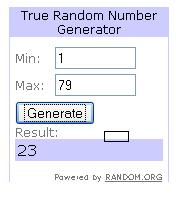 Purex Complete Crystals Winner