
-
Affiliates
The Babysitter Conversation That Changed Our Family Routine
Finding someone to care for your children is about much more than checking references and agreeing on an hourly rate. When our babysitter became part of our family routine, we quickly learned that the safest arrangement depended on honest conversations before the first busy afternoon began.
The most important conversation we had with our babysitter covered the things people often leave unsaid: how our children respond when they are tired, what “please call me” really means, and where our boundaries sat. It gave all of us confidence, especially during school pickups, rushed evenings, and those classic Australian arvos when everyone is hungry and running out of patience.
| Conversation area | What we discussed | Why it mattered |
|---|---|---|
| Safety | Emergency contacts, allergies, medicines, water safety | It removed hesitation during an urgent moment |
| Daily routine | Meals, homework, screen time, bedtime | The children knew what to expect |
| Communication | Updates, phone calls, changing plans | We avoided assumptions |
| Boundaries | Visitors, outings, photos, household rules | Our privacy and expectations stayed clear |
| Payment | Rates, extra hours, cancellations | Money felt straightforward rather than awkward |
Setting The Tone Before The First Shift
I started by explaining that our babysitter did not need to copy my parenting style perfectly. What mattered was consistency with the rules that affected safety, respect, and daily rhythm. The children could have fun, make toast, play outside, and enjoy a little flexibility, but they still needed an adult who would follow through.
We also talked about the children as individuals rather than giving a quick list of instructions. One child tends to become quiet when overwhelmed, while another can turn a small disappointment into a full performance worthy of a television drama. Sharing those patterns helped our babysitter respond calmly instead of interpreting every reaction as deliberate misbehaviour.
I have written about family routines and everyday parenting on Country Girl City Life, and this experience reminded me that useful advice often comes from ordinary moments. A five-minute chat in the kitchen can prevent a great deal of confusion later.
The Details That Keep Children Safe
Safety was the part of the conversation where we slowed down. We went through allergies, medication, emergency contacts, the location of the first-aid kit, and what to do if a child became sick. We also explained when to call us immediately and when to contact emergency services on Triple Zero. Having those instructions written down meant nobody had to rely on memory under pressure.
Because we live in Australia, sun safety and water safety were essential topics too. We covered hats, sunscreen, checking the UV Index, and the rule that the children are never left unattended near a pool, creek, or beach. Even a quick trip to a local playground can involve hot equipment, magpies protecting a nest, or a sudden weather change, so the babysitter needed to know how we usually plan outings.
We agreed that a text update was welcome when plans changed, but a phone call was better for an injury, an unexpected visitor, or a child who could not settle. The goal was never constant reporting. It was making sure the babysitter felt supported and we were not surprised by important information.
Money, Boundaries, And Household Expectations
Money can become uncomfortable when people avoid being specific. We agreed on the hourly rate, how payment would be made, and what happened if we arrived home late. We also discussed extra hours, cancelled shifts, and whether a public holiday or last-minute request changed the rate. Clear arrangements are especially useful when families are balancing groceries, school costs, rent, and the rising price of nearly everything.
Our babysitter had completed the relevant checks and supplied references, which gave us peace of mind. We also set boundaries around visitors, social media, photographs, and using our belongings. The children were not to appear online without permission, and our home was not an open house for friends dropping in during a shift.
We explained that a babysitter could help themselves to food and use the Wi-Fi, but some household areas were private. These details might sound minor, yet they protect the working relationship. It is easier to be warm and relaxed when everyone understands what is expected.
A Safer, Kinder Babysitting Routine
The conversation became useful because it was practical rather than dramatic. We wrote down the details and kept the notes somewhere easy to find. This was the information we wanted available during a hectic handover:
- Emergency contacts, medical information, allergies, and medication instructions
- School, preschool, activity, and pickup details, including authorised collection arrangements
- Meal preferences, bedtime steps, comfort items, and limits around screens
- Instructions for outings, sunscreen, swimming, pets, and locking doors
- Expectations about updates, visitors, photographs, payment, and extra time
We also asked our babysitter to tell us what they needed from our family. That opened the door to useful feedback about the children’s routines, the timing of dinner, and how much notice made a shift comfortable. A professional childcare relationship should allow both sides to speak honestly without feeling criticised.
For younger children, we discovered that a familiar object made handovers easier. For older children, knowing the plan in advance reduced negotiations. We even learned that having water bottles labelled and ready saved time before leaving the house. My kids’ bottle review came to mind because practical details often shape whether an outing runs smoothly.
Why This Conversation Stayed With Us
The most valuable result was trust. Our babysitter understood our expectations, and we understood their limits. The children sensed that the adults were working together, which helped them settle more quickly when we left.
It also changed how I think about asking for help. A babysitter is not simply someone who fills a gap between work and bedtime. They are responsible for precious people in a private home, and they deserve clear information, respect, and fair treatment. Families deserve the same care in return.
A thoughtful handover can turn babysitting from a source of worry into a reliable part of family life. Write down the essentials, talk through the awkward details, and revisit the arrangement whenever your children’s needs change. Share this with another parent who is preparing for a new babysitter, and make the conversation part of your family’s routine.


 Durex House Party “He Said/She Said” Challenge [Giveaway]
![Durex House Party: Introducing the LOVE BOX [Giveaway]](/wp-content/uploads/HLIC/2ed7178346e419ad5c79280a7d5dd0aa.png) Durex House Party: Introducing the LOVE BOX [Giveaway]
Durex House Party: Introducing the LOVE BOX [Giveaway]
![Welcome to the Durex House Party [Giveaway]](/wp-content/uploads/HLIC/b3517de65f98905a68b0497aa5152005.png) Welcome to the Durex House Party [Giveaway]
Welcome to the Durex House Party [Giveaway]
 Nursing Scrubs
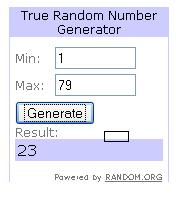 Purex Complete Crystals Winner