
-
Affiliates
The Most Creative Use for an Old Cardboard Box We Ever Found
Some cardboard boxes are too sturdy to put straight into the recycling bin. They arrive after an online order, a new appliance, or a delivery from the local supermarket, then sit in the laundry waiting for someone to decide their fate. In our house, one particularly large box became the centre of an afternoon that the children still talk about.
The box was destined to become rubbish, but the kids saw something else entirely: a blank building site. With a few craft supplies, kitchen odds and ends, and plenty of imagination, they transformed it into a miniature family hotel. It had rooms, signs, a reception desk, and even a café where I was repeatedly charged pretend money for plastic tea.
This kind of project suits Australian family life because it costs very little and works indoors or outside. On a rainy Melbourne afternoon, a hot Brisbane day, or during the long school-holiday stretch when everyone is tired of screens, a cardboard playhouse can fill several hours without requiring a trip to the shops.
The best part was that the children designed most of it themselves. I helped with the tricky cutting, while they decided who would stay at the hotel, what each room needed, and how guests should be welcomed. It became a creative reuse project, a role-play game, and a lesson in making do with what we already had.
How The Box Became A Hotel
The box had originally held a large household item, so it was tall enough for the children to kneel inside and wide enough for two to play together. We opened the top flaps, strengthened the corners with packing tape, and cut a door and several windows. The offcuts became shutters, a signboard, and little shelves.
The children covered the outside with leftover wrapping paper, coloured pencils, washable paint, and stickers saved from birthday cards. They named it the Sunshine Stay Hotel, which felt fitting for a project made during an Australian summer. A spare pillowcase became a curtain, and a flattened cereal box turned into a rooftop sign.
I kept the decorating simple because cardboard can become surprisingly fragile once it is covered in wet paint. We used a plastic tablecloth underneath, just as we would for a messy craft session with homemade bath products. Families wanting another low-cost activity can pair it with these DIY bath bombs, although I recommend keeping anything damp well away from the cardboard hotel.
The Tiny Details Made It Special
The children divided the inside into a lobby, a bedroom, and a restaurant. A small cardboard box became the reception counter, while a paper roll was turned into a telescope for “checking the weather”. They wrote a menu offering toast, fairy bread, and “very cold juice”, which was impressively accurate for a pretend Australian café.
The hotel also developed rules. Guests had to knock before entering, shoes had to be left at the door, and everyone received a paper key. The kids made booking forms with names, arrival dates, and reasons for visiting. One guest was apparently travelling from Perth to Sydney to attend a teddy bear wedding, so the hotel had plenty of business.
This was the part I loved most. The materials were ordinary, but the story kept expanding. The children were writing, drawing, negotiating, counting pretend coins, and practising hospitality without realising they were building those skills. It was a little like preparing for a birthday celebration, and our experience with birthday ideas reminded me that memorable fun does not need a large budget or an elaborate venue.
What We Used And What It Cost
Nearly everything came from around the house. We did buy a roll of bright tape because the children wanted a “proper” opening ceremony, but the project remained inexpensive. A visit to Kmart or Big W could easily add matching craft paper, though using old mailers and newspaper would work just as well.
| Item | Where it came from | Purpose |
|---|---|---|
| Large cardboard box | Online delivery | Main building |
| Packing tape | Home supplies | Reinforcing joins |
| Cereal boxes | Recycling pile | Shelves and furniture |
| Wrapping paper scraps | Gift drawer | Wall decoration |
| Paper bags | Supermarket shopping | Guest bags |
| Textas and stickers | Craft supplies | Signs and details |
| Pillowcase | Linen cupboard | Curtain |
| Plastic cups | Picnic supplies | Café props |
The project also gave us a useful reason to save clean packaging for a few days instead of immediately putting it in the yellow recycling bin. Once the hotel had finished its run, we removed the tape, paper, and decorations as best we could and recycled the plain cardboard. That mattered to us because creative play should not create a huge amount of unnecessary waste.
Keeping The Play Going
After the first day, the hotel became a rotating business. One child worked at reception while the other became a guest, chef, cleaner, or tour guide. The box was moved from the lounge room to the backyard, although we brought it inside before dew or an unexpected rain shower could soften it.
The children added new features whenever they played. A takeaway coffee cup became a rubbish bin, a toilet-roll tube became a chimney, and a paper plate became a satellite dish. During a quiet afternoon, they created room-service trays from scraps and made tiny “Do Not Disturb” signs for the windows.
We even introduced a holiday theme. Guests could book a beach room, a bushwalk package, or a city stay with a pretend tram ticket. The children had heard enough about Sydney ferries, Melbourne trams, and Gold Coast holidays to create an entire travel agency inside the box. It made the game feel connected to places they knew rather than something copied from a toy catalogue.
Giving The Box A Second Life
The hotel lasted for several weeks before the floor began to sag and the door needed too much tape. Rather than throw it out immediately, we removed the fragile pieces and used the remaining panels for a puppet theatre. The reception sign became the theatre name, and the children performed short shows for us after dinner.
The project also inspired a small kindness activity. They made paper invitations for neighbours and relatives, then offered “free stays” at the hotel. It was sweet watching them think about what would make visitors comfortable, from a welcome sign to a pretend gift bag. Around Valentine’s Day, they even added a special couples’ suite, which brought back memories of our family’s Valentine’s Day plans.
An old box can become a shop, spaceship, animal clinic, train station, or post office, but the hotel worked especially well because it gave the children a reason to keep returning to it. The structure was simple; the possibilities were endless. If you have a large box waiting near the recycling, put down a mat, gather some safe craft supplies, and let the kids decide what it should become. Their finished creation may be wonderfully wonky, but it could provide the kind of screen-free family memories that last much longer than the cardboard itself.


 Durex House Party “He Said/She Said” Challenge [Giveaway]
![Durex House Party: Introducing the LOVE BOX [Giveaway]](/wp-content/uploads/HLIC/2ed7178346e419ad5c79280a7d5dd0aa.png) Durex House Party: Introducing the LOVE BOX [Giveaway]
Durex House Party: Introducing the LOVE BOX [Giveaway]
![Welcome to the Durex House Party [Giveaway]](/wp-content/uploads/HLIC/b3517de65f98905a68b0497aa5152005.png) Welcome to the Durex House Party [Giveaway]
Welcome to the Durex House Party [Giveaway]
 Nursing Scrubs
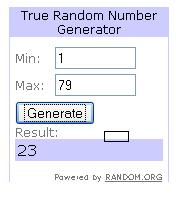 Purex Complete Crystals Winner