
-
Affiliates
How we finally stopped toys from overrunning the living room
Stepping on a rogue LEGO at 6am while the kettle boils is basically a rite of passage for Australian parents. For years, the living room floor of our little brick-veneer house in the suburbs looked less like a family space and more like a reject aisle from Kmart. Every surface had a purpose, and that purpose was holding a plastic dinosaur or a My Little Pony. The couch, the rug, the coffee table — all casualties of the toy invasion. I tried baskets, I tried labelled tubs, I tried the classic "if it doesn't fit in the toy box it gets binned" threat. None of it stuck for more than a week.
What eventually worked wasn't a fancy storage system or a strict minimalist philosophy. It was a combination of three small habits that, once they clicked into our routine, completely changed how the living room looked and felt. I'm not claiming the floor is sparkling clean every single arvo — there are still LEGO accidents waiting to happen — but the chaos is now manageable. Below is the exact approach we settled on after plenty of trial and error, plus a few tricks borrowed from other budget-savvy Aussie parents.
Why toy rotation saved my sanity
The single biggest shift came when we started treating toys like a wardrobe instead of a permanent collection. Instead of every single toy living in the living room, only a small selection is "in season" at any given time. We keep roughly 10 to 15 items out, depending on what the kids are obsessed with that fortnight, and store the rest in a big plastic tub in the garage.
The trick is rotating the selection every few weeks. When the novelty wears off, swap a few items out for something from the stash. Suddenly toys that were gathering dust become exciting again. It also cuts down on the constant "I'm bored" chorus because kids forget what they have. This one habit alone probably reclaimed about a third of our floor space without anyone noticing the missing toys for more than a day.
Storage that survives daily life in an Aussie home
Pretty storage solutions are great on Pinterest, but they don't survive a three-year-old. Our go-to is cheap cube shelving from Kmart and a few canvas baskets from Big W. The cubes are low enough for little hands to reach, which means the kids can actually pack up themselves. The baskets are forgiving — if a toy doesn't fit perfectly, you just shove it in. No Tetris skills required.
We also have a slim trolley that rolls under the couch for craft supplies. When arvo tea is over and the art supplies come out, the trolley rolls into action. When dinner needs to be served, it rolls back under the couch in about ten seconds. Choosing furniture that doubles as storage has been a quiet game-changer, especially in a house where floor space is already tight.
The once-a-month toy audit
Once a month, usually on a Sunday morning before brekkie, we do a quick toy audit. The rule is simple: anything that hasn't been touched in the last month goes into a "decision" pile. From there it either gets donated, sold, or quietly returned to rotation later. The kids get a say in some of it, which keeps them feeling involved rather than blindsided.
Holiday periods make this even more important. After birthdays, Christmas, and even Valentine's Day, the influx of new toys can throw the whole balance out the window. I wrote about managing the Valentine's Day is almost here gift situation years ago, and the approach still helps me reset expectations before the wrapping paper settles.
For donations, our local Salvos in the next suburb is our usual drop-off. Anything that's still in decent nick also goes up on Facebook Marketplace — Aussies love a bargain, and toys sell quickly when priced around five bucks. Broken or incomplete sets go in the bin, no guilt attached. The point is to stop the pile from creeping back up to critical mass.
Getting the kids on board
No system works if the small humans aren't pulling their weight. We turned tidy-up time into a race. Set a timer for two minutes, crank some music, and see who can fill their basket the fastest. Winner picks the movie for the night. Loser still has to tidy, but with dramatically less enthusiasm.
Some games that work well in our house:
- The two-minute race, as mentioned above
- Colour sort — each kid is assigned a colour and only puts away toys of that colour
- Beat the song — play a three-minute song and finish before it ends
- Mystery bag — whoever finds the "lost" item first wins a small prize
Sticker charts also worked when mine were younger. Every afternoon the living room got cleared earned a sticker, and ten stickers meant a trip to the local park for an ice-cream. It felt a bit bribery-ish at first, but honestly, whatever gets the job done. The habits stuck, even after the stickers stopped.
Smart storage on a budget
You don't need to spend a fortune to get the living room back. Most of our setup came from places like Kmart, Big W, and the reject shop, with a few clever DIY bits thrown in. Here's what has worked best for us:
- Cube shelves from Kmart, usually under $40, with matching fabric cubes
- Canvas storage baskets from Big W, three for around $15
- Plastic tubs from Bunnings for garage storage, around $10 each
- Old shoeboxes repurposed as drawer dividers inside the cube shelves
If you're trying to keep costs down while sorting out toy chaos, Budget-friendly family living tips has plenty of practical ideas worth a look. The savings add up faster than you'd think.
Building a routine that actually sticks
Habits only work when they fit into a normal day without much fuss. Our current rhythm is simple. After brekkie, the kids spend ten minutes putting anything from the night before back in its spot. After arvo tea, another quick reset happens. The full tidy isn't daily — it's reserved for the weekend, usually Saturday morning, when the toy audit doubles as a deep clean.
The real win has been making the resets short and boring. No big production, no shouting, just a quick sweep. The kids treat it the same way they treat brushing teeth — slightly annoying, but not worth fighting over. The living room stays usable, the toys stay alive, and everyone's happier.
If you're dealing with a similar toy explosion, the short version is this: rotate what lives in the room, give everything a home, and have a monthly clear-out that involves both the kids and the local op shop. None of it is revolutionary, but layered together, it actually keeps things under control. And if you're after a few new bits and pieces without breaking the budget, the Giveaway Corral is where I round up the best Aussie giveaways running each month.


 Durex House Party “He Said/She Said” Challenge [Giveaway]
![Durex House Party: Introducing the LOVE BOX [Giveaway]](/wp-content/uploads/HLIC/2ed7178346e419ad5c79280a7d5dd0aa.png) Durex House Party: Introducing the LOVE BOX [Giveaway]
Durex House Party: Introducing the LOVE BOX [Giveaway]
![Welcome to the Durex House Party [Giveaway]](/wp-content/uploads/HLIC/b3517de65f98905a68b0497aa5152005.png) Welcome to the Durex House Party [Giveaway]
Welcome to the Durex House Party [Giveaway]
 Nursing Scrubs
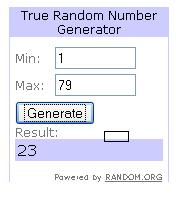 Purex Complete Crystals Winner