
-
Affiliates
The best tips for surviving a family trip to the zoo on a hot day
A family zoo visit can be a brilliant school-holiday adventure, but Australian summer weather adds a serious planning challenge. Between bright sun, crowded paths and children who suddenly need snacks every twenty minutes, a relaxed day can become exhausting quickly.
The key is to work with the heat rather than trying to ignore it. A shorter visit with regular breaks is often far more enjoyable than attempting to see every enclosure before lunchtime. The animals may have their own hot-weather routines too, with many choosing shade or becoming less active during the middle of the day.
Whether you are heading to Taronga Zoo in Sydney, Melbourne Zoo, Australia Zoo in Queensland or a smaller wildlife park closer to home, a few practical habits can make the outing safer, cheaper and much more manageable.
Choose the timing carefully
Arrive as close to opening time as possible. The temperature is usually kinder, the car park and public transport are less crowded, and children are still reasonably fresh. Early morning is also a good time to see animals while they are feeding or moving around before retreating to cooler areas.
Check the weather forecast and the zoo’s daily schedule before leaving. On an extremely hot day, consider staying for two or three hours rather than buying into the idea that a full-day ticket requires a full-day visit. Some zoos publish heat advice, changed keeper talks or animal viewing updates online.
Australian school holidays can make popular attractions particularly busy, especially in Sydney, Brisbane and Melbourne. Booking tickets ahead may save time at the entrance, but check the conditions for date changes if a heatwave is forecast.
Dress for Australian sun
Lightweight clothing, broad-brimmed hats and comfortable walking shoes are more useful than stylish outfits that trap heat. Choose breathable fabrics and pack an extra shirt for children who become sweaty, spill drinks or enjoy getting wet at a play area.
Apply broad-spectrum SPF 50+ sunscreen before leaving and reapply throughout the day, particularly after water play or heavy sweating. Australian sunscreens are regulated through the Therapeutic Goods Administration, so buying a reputable product from a chemist or supermarket is a sensible choice. Sun protection is part of everyday family life here for good reason: the UV can be high even when the air does not feel scorching.
Sunglasses can help children cope with glare, while a lightweight long-sleeved rash vest is useful if the zoo has fountains or water-mist stations. Keep a small sunscreen tube in an easy-to-reach pocket rather than burying it beneath the picnic supplies.
Pack water and cooling supplies
Bring more water than you expect to need. Refillable bottles are usually the most economical option, and many Australian zoos provide drinking fountains or refill stations. Freeze one bottle overnight so it gradually melts during the day, keeping the other drinks cool without relying entirely on expensive kiosk purchases.
A soft cooler bag with ice bricks can hold fruit, yoghurt pouches and sandwiches. Local supermarket staples such as mandarins, grapes, cheese portions and crackers travel well, while a frozen pop can serve as a welcome treat. Check the zoo’s picnic rules before packing a large meal, as some venues restrict outside food in particular dining areas.
Useful extras include a wet washer in a sealed bag, a handheld fan, spare nappies, zip-lock bags and a small towel. Avoid filling your backpack with unnecessary items, though. Carrying a heavy load across steep zoo paths becomes uncomfortable surprisingly quickly.
Plan shade and rest stops
Look at the map before setting off and identify shaded picnic tables, indoor exhibits, cafés and air-conditioned areas. Build these stops into the route rather than waiting until everyone is already flushed, irritable and thirsty. A ten-minute break under a tree can prevent a much bigger meltdown later.
Do not assume that every animal enclosure will have shade for visitors. Some paths are exposed, and prams can become hot when parked in direct sunlight. If you are using a stroller, attach a breathable shade cover that allows airflow; never cover the entire pram with a blanket, as heat can build up dangerously inside.
Children may need more frequent breaks than adults, especially toddlers. Make a simple agreement that anyone can ask to stop for water, a seat or a toilet visit. A slower pace gives the family a better chance to enjoy the animals instead of rushing from one exhibit to the next.
Keep the day affordable
Zoo cafés and kiosks are convenient, but buying lunch, drinks and snacks for a whole family can quickly stretch the budget. Compare the cost of parking, public transport, entry, food and extras before deciding how to travel. In Melbourne, public transport may be practical for some families, while Sydney visitors might compare driving and parking with train, ferry or bus connections.
Look for family passes, membership options, free keeper talks and included play spaces. A membership can be worthwhile for families who live nearby and prefer several shorter visits rather than one expensive marathon outing. Avoid promising children every paid attraction, souvenir or animal encounter before you arrive.
A small spending limit can work well. Give each child a modest amount for a gift-shop item or treat, and explain that the limit applies to the whole day. This turns repeated requests into a clear budgeting lesson without making the visit feel overly restricted.
Prepare for safety and big feelings
Take a recent photo of each child on your phone before entering. Choose a meeting point near the entrance, information desk or another obvious landmark, and remind children which adults or staff members they can approach if they become separated. Bright clothing can also make younger children easier to spot.
Follow the zoo’s signs and keep children behind barriers. Animal enclosures are exciting, but fences and viewing platforms exist for a reason. Watch toddlers especially closely near water, crowded paths and moving mobility equipment. If driving, follow Australian child-restraint laws and make sure car seats and booster seats are suitable for each child’s age and size.
Pay attention to signs of heat stress, including unusual tiredness, headache, dizziness, nausea, clammy skin or confusion. Move the child into shade, loosen extra clothing, offer small sips of water and seek first aid immediately if symptoms are concerning. A child who seems unusually quiet may need help, not simply a rest in the pram.
Make the visit feel special
Choose a few must-see animals before arriving, then allow room for spontaneous discoveries. Children often remember feeding a lorikeet, watching a keeper talk or finding a lizard more vividly than they remember completing every section of the map.
A simple scavenger hunt can keep children engaged without adding much cost: find an animal with stripes, a bird with a long beak or an enclosure with water. You can also invite everyone to share one favourite moment afterwards. Creating a small family tradition around reflection can make ordinary outings feel meaningful; a gratitude journal habit can be a lovely way to record those memories at home.
Leave before tiredness turns into chaos if you can. The final memory of the day does not need to be squeezing through a crowded exit with exhausted children. A cool drink, a quiet ride home and an early dinner may be the perfect ending to a successful summer adventure.
Pack the essentials, check the heat, slow the pace and accept that a shorter zoo visit can still be a wonderful family day. The goal is shared time, curious children and everyone returning home safe, comfortable and ready to look back on the animals rather than the arguments.


 Durex House Party “He Said/She Said” Challenge [Giveaway]
![Durex House Party: Introducing the LOVE BOX [Giveaway]](/wp-content/uploads/HLIC/2ed7178346e419ad5c79280a7d5dd0aa.png) Durex House Party: Introducing the LOVE BOX [Giveaway]
Durex House Party: Introducing the LOVE BOX [Giveaway]
![Welcome to the Durex House Party [Giveaway]](/wp-content/uploads/HLIC/b3517de65f98905a68b0497aa5152005.png) Welcome to the Durex House Party [Giveaway]
Welcome to the Durex House Party [Giveaway]
 Nursing Scrubs
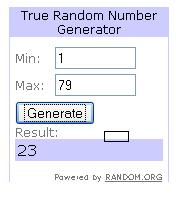 Purex Complete Crystals Winner