
-
Affiliates
What our family learned from a kids cooking class
Three months ago I booked my two children into a weekend cooking workshop at a community kitchen in Brisbane, mostly because I was running low on ideas for the school holidays. I expected mess and a few cupcakes. What I did not expect was that the three-hour session would reshape how my children think about food, safety, and trying new vegetables.
Kids cooking workshops have quietly become one of the more popular school holiday activities around Australia, especially in capital cities like Sydney, Melbourne, and Brisbane. Many are run through council programs, private studios, or supermarket chains like Woolworths and Coles, which offer free in-store sessions. The variety means there is something for almost every age and budget.
I went in hoping my fussy eater would touch a tomato without flinching and that my older child would stop burning toast. What we actually got was a hands-on lesson in measuring, kneading, basic knife skills, and the very Australian concept of "having a go" in the kitchen. Here is how it played out and what stuck with us weeks later.
Booking the class and setting expectations
I found our workshop through a local Brisbane council holiday program brochure in the school newsletter. The session cost $45 per child and included ingredients, an apron to take home, and a printed recipe card. Compared with a family cinema session, it felt reasonable, especially since the kids ate what they made and brought leftovers home.
Before booking, I compared a few different providers around southeast Queensland. Here is a quick snapshot of what I found:
| Provider type | Typical price range (AUD) | Class length | Take-home items |
|---|---|---|---|
| Council-run holiday program | $30–$50 per child | 2–3 hours | Recipe card, sometimes an apron |
| Private cooking studio | $60–$95 per child | 1.5–2 hours | Apron, full meal, certificate |
| Supermarket in-store demo | Free–$15 per child | 45–60 minutes | Sample tasting only |
| Online live class | $20–$40 per device | 1 hour | Digital recipe pack |
The council option was cheapest, but the private studio had stronger reviews and smaller group sizes, which mattered because my younger child gets overwhelmed easily. I booked the council session first and kept the private studio as a backup.
Inside the kitchen: how the class actually ran
On the morning, we arrived at a bright community hall in the inner suburbs with about twelve other children aged five to ten. The instructor, a former hospitality teacher, started with a short talk about handwashing and the food safety rules taught in Australian primary schools. She then split the kids into pairs and handed each pair a station with pre-measured ingredients.
The menu was simple but clever: homemade pita pizzas with a choice of toppings, plus a fruit salad using seasonal Australian produce like mangoes, kiwi fruit, and strawberries. The children rolled their dough, shaped their pitas, and chose their own toppings, which is a small but powerful move for picky eaters. When a child picks the spinach themselves, they are far more likely to eat it.
What surprised me was how structured the safety briefing was. Each child learned to hold a kid-safe knife, pass it safely, and clean their station. These skills line up with the food handling guidance published by Food Standards Australia New Zealand, even if the instructor did not mention it by name. My older child came home and corrected my chopping technique, which was humbling.
What the kids took away
The biggest shift was in confidence. My six-year-old, who usually refuses to help beyond stirring a bowl of cereal, proudly told the dinner table that week that she had grated cheese "all by herself." My nine-year-old started reading recipe books voluntarily, which neither of them had shown interest in before.
Beyond confidence, there was a real change in willingness to try new foods. The instructor used a trick I have since borrowed at home: every child had to place a small tasting spoon of each ingredient on their plate before cooking started. They did not have to eat it, but they had to try it. By the end, every child at our table had tried something they had previously declared yuck.
There was also a small but important social element. The kids paired with children they did not know, shared utensils, and cleaned up together. In a country where after-school activities tend to be sport-heavy, a creative food-based program felt like a refreshing alternative. Both my children asked when they could go back, which is the strongest review a parent ever gets.
Bringing the lessons home
The day after, we went to our local Woolworths and let the children pick one new vegetable each. This tiny change to our routine turned grocery shopping into a small adventure. We came home with asparagus and pomegranate seeds, neither of which had made it into our trolley for months.
We also made the pita pizza recipe the following weekend. The kids remembered the dough steps almost perfectly and corrected me when I tried to skip the resting time. We now keep a small cooking kit on the bottom shelf of the pantry, with a kid-safe knife, a wooden spoon, and a junior apron, so the children can prepare parts of a meal without me setting everything up.
The biggest lesson for me as a parent was to step back. I had been hovering over every kitchen task for years because I did not trust them with sharp-ish tools. The class showed me that kids can do far more than we usually let them try. If you enjoy these family stories, I once wrote about what it felt like wearing nursing scrubs through years of hospital shifts, a different sort of hands-on learning.
Was it worth the money and the effort?
For our family, absolutely yes. The $90 total cost bought a full morning of entertainment, two solid meals, a confidence boost for both children, and a routine we have continued at home. Compared with paid kids activities in Australia, from gymnastics to music lessons, it delivered a lot of value in a short window.
If you are thinking about trying one, here are a few things worth keeping in mind:
- Book early during school holidays, as the popular sessions in Brisbane, Sydney, and Melbourne fill up weeks in advance.
- Ask about group size; anything over fifteen kids usually means less hands-on time per child.
- Check whether the provider follows Australian food safety guidelines, especially for younger children handling allergens.
- Pack a spare change of clothes, because flour, dough, and tomato sauce travel surprisingly far.
- Choose a menu that includes at least one ingredient your child usually avoids, so the exposure pays off.
- Bring a container for leftovers, because there are almost always leftovers.
- Talk to the kids afterwards about what they learned, while the memory is still fresh.
You can find more family stories, budgeting tips, and small experiments over at Country Girl City Life. I am already planning our next school holiday cooking workshop, and will share what we learn.

 Durex House Party “He Said/She Said” Challenge [Giveaway]
![Durex House Party: Introducing the LOVE BOX [Giveaway]](/wp-content/uploads/HLIC/2ed7178346e419ad5c79280a7d5dd0aa.png) Durex House Party: Introducing the LOVE BOX [Giveaway]
Durex House Party: Introducing the LOVE BOX [Giveaway]
![Welcome to the Durex House Party [Giveaway]](/wp-content/uploads/HLIC/b3517de65f98905a68b0497aa5152005.png) Welcome to the Durex House Party [Giveaway]
Welcome to the Durex House Party [Giveaway]
 Nursing Scrubs
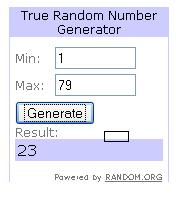 Purex Complete Crystals Winner