
-
Affiliates
How Our Family Uses a Whiteboard for Chores Without Nagging
Our family whiteboard started as a simple attempt to make weekday life feel less frantic. Between school drop-offs, work, sport, homework and the endless search for missing drink bottles, I was tired of repeating the same instructions. The children were tired of hearing me repeat them, too.
The board now sits in a visible spot near the kitchen, where everyone passes it on the way to the pantry. It does not magically make chores exciting, but it gives our household a shared system. The jobs are clear, the expectations are realistic and I no longer have to act as the family reminder service.
Why A Visible Chore Board Helps
A whiteboard turns household tasks from spoken instructions into something the whole family can see. That small change matters. “Please put your washing away” can sound like background noise after the tenth request, while a name beside “fold clothes” gives the job a definite place in the day.
It also helps children understand that running a home is a team effort. In Australia, family schedules can become especially crowded around school pick-up, swimming lessons, footy training and weekend sport. A shared chore chart gives everyone a better idea of what needs doing before the Saturday morning rush to the shops or the local oval.
The board is not a way to monitor every move. It is a practical prompt, similar to a shopping list on the fridge. We use it to reduce confusion, not to create a perfect house.
Setting Up The Family Whiteboard
Our board has three simple areas: names, jobs and a small space for notes. Magnetic names or reusable markers make it easy to change responsibilities each week. I avoid filling every centimetre because an overcrowded board quickly becomes another thing nobody wants to look at.
The jobs are specific rather than vague. “Clean room” is too broad for a child who may not know whether that means making the bed, picking up toys or putting dirty clothes in the basket. “Put books away” and “Place clothes in the hamper” are much easier to understand and complete.
I also include household jobs that children can genuinely manage, such as feeding a pet, wiping the table or matching socks. Older children might empty the dishwasher, sweep the kitchen or take the bins out before collection day. In our area, remembering the right bin for rubbish, recycling and green waste is a useful life skill.
Sharing Chores Fairly
Fair does not always mean every person has the same number of jobs. We consider age, school workload, work commitments and what each child can safely do. A younger child may have two quick tasks, while a teenager may handle one larger job that takes longer.
We rotate some responsibilities so nobody is permanently stuck with the least popular task. The dishwasher, bathroom basin and pet care can all become irritating when the same person is assigned them every week. Changing the list on Sunday evening gives us a chance to check whether it still suits the week ahead.
I also keep a few jobs as shared tasks. Folding a basket of washing together can be faster and more pleasant than expecting one child to do it alone. In a busy Australian household, where uniforms, sports gear and beach towels seem to multiply, teamwork often makes more sense than strict individual ownership.
Making The System Work On Busy Days
Our weekday board is deliberately flexible. Some chores are daily, while others happen once or twice a week. We do not expect the same level of productivity during a school night as we might on a quiet Sunday morning.
A short “minimum version” helps when everyone is worn out. Beds do not need hotel corners, and the playroom does not need to look like a display home. The essentials are clear: dirty items go where they belong, food is cleaned up, pets are cared for and important school things are ready for the morning.
We also mark bin night and unusual events on the board. A note such as “library books due Thursday” or “pack cricket bag” prevents those reminders from disappearing into a busy conversation. It is particularly handy during daylight saving, when the evenings can feel long but somehow still run out of time.
Encouraging Follow-Through Without Nagging
The most important rule is that I point to the board before giving a lecture. If a job has not been done, I use a calm reminder such as, “Have a look at your list,” rather than calling out instructions from another room. This keeps the responsibility with the person whose name is beside the task.
We do not pay for every ordinary household job. Cleaning up after yourself and contributing to family life are normal expectations. For extra projects, such as helping sort the garage or washing the car, we may agree on pocket money beforehand. That keeps the regular chore routine separate from occasional paid work.
Small recognition helps, too. A thank-you, choosing the Friday movie or having a favourite dinner can show that effort has been noticed. I sometimes use giveaway inspiration when planning little family treats, although the best reward is usually a calmer evening with fewer reminders.
Simple Ways To Keep The Board Useful
The board only works when it remains easy to read and easy to maintain. We review it each week and remove jobs that no longer fit our routines. A system that worked during the school holidays may need changing once homework, music lessons and sport start again.
These are the habits that have made the biggest difference in our home:
- Keep each chore short, specific and suitable for the child’s age.
- Use names, colours or magnets so responsibilities can be understood quickly.
- Review the list once a week, preferably before the busiest school mornings.
- Include family reminders such as bin night, library returns and sports equipment.
- Praise completed effort without turning every task into a negotiation.
A whiteboard is also useful for teaching independence gradually. At first, I may need to explain how to complete a job or work alongside a child. Over time, the instructions become familiar and the child needs less assistance. That progress is more valuable than a spotless bench.
We still have forgotten chores and occasional grumbles. The board has not removed those ordinary family moments, and it was never meant to. It has simply moved the conversation away from constant verbal reminders and towards a routine everyone can see.
Set up a board with three or four manageable jobs, give it a week and adjust it based on real family life. Keep the tone practical, celebrate the small wins and let the system grow with your children. A few visible tasks can make the school-night rush feel much more manageable.


 Durex House Party “He Said/She Said” Challenge [Giveaway]
![Durex House Party: Introducing the LOVE BOX [Giveaway]](/wp-content/uploads/HLIC/2ed7178346e419ad5c79280a7d5dd0aa.png) Durex House Party: Introducing the LOVE BOX [Giveaway]
Durex House Party: Introducing the LOVE BOX [Giveaway]
![Welcome to the Durex House Party [Giveaway]](/wp-content/uploads/HLIC/b3517de65f98905a68b0497aa5152005.png) Welcome to the Durex House Party [Giveaway]
Welcome to the Durex House Party [Giveaway]
 Nursing Scrubs
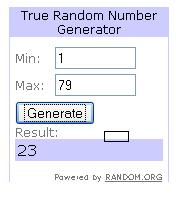 Purex Complete Crystals Winner