
-
Affiliates
How We Use a Visual Schedule for Our Preschooler's Daily Routine
When my daughter turned three, our mornings became a blur of toothbrush negotiations and missing shoes. Like many parents across Sydney and Melbourne, I found myself repeating the same instructions every single day while she cheerfully ignored half of them. After chatting with other mums at kindy drop-off and reading through Australia's Early Years Learning Framework, I realised structure matters enormously at this age — but verbal reminders alone weren't cutting it.
A visual schedule turned out to be the gentle shift our household needed. Instead of me listing each step, my daughter follows a row of picture cards pinned along the hallway. She knows exactly what's coming, what she still has to do, and when playtime begins. It's reduced meltdowns, saved my voice, and given her a sense of ownership over her own day.
Why a Visual Routine Chart Works for Young Children
Preschoolers process images far faster than spoken words, which is why a picture-based routine chart resonates so strongly. Around age three, children begin asserting independence while still craving predictability — and visuals deliver both at once. Each card acts as a tiny visual cue, replacing my constant prompting with a sequence she can scan and follow independently.
There's also a developmental sweet spot. The National Quality Standard underpinning Australian early learning services emphasises intentional teaching and respect for children's agency. A child-led visual timetable mirrors that philosophy at home. Rather than being told what to do, my daughter references the cards herself, and that small autonomy builds confidence and self-regulation skills that travel well beyond the morning rush.
Choosing the Right Format for Picture Cards
Before committing to a system, I tried a few formats. Each has its strengths depending on your child's personality, your living space, and how much screen time you want involved.
| Format | Best For | Drawback |
|---|---|---|
| Laminated photo cards with Velcro | Children who respond to familiar faces and real objects | Cards can peel off and need re-sticking |
| Magnetic strip boards | Rental homes where you cannot pin things to walls | Magnets end up everywhere |
| Printable A3 routine chart | Budget-conscious families wanting a spare copy | Less interactive, harder to rearrange |
| Tablet-based visual apps | Tech-comfortable households and travel | Risk of distraction, needs charging |
We landed on laminated photo cards along the hallway. My daughter recognises her own pyjamas, school bag, and toothbrush in the images, which makes the steps feel personal rather than abstract.
Building Our Morning Routine Block
Our morning visual schedule covers six cards, arranged left to right in the order tasks happen: wake up, toilet, get dressed, brush teeth, eat breakfast, and pack bag. The layout matters more than I expected — left-to-right reading matches the direction she will encounter text in school, which lines up nicely with the literacy exposure she gets at preschool.
To keep things motivating, each completed card earns a small sticker on a separate reward chart. The thrill of collecting tokens and watching her tally grow has been remarkable; the same drive behind casino tournament points is alive and well in a four-year-old collecting dinosaur stickers. We cap the sticker chart at the end of the week with a small family reward — usually a trip to the local playground in Brisbane's South Bank or a paddle at the creek near our place.
Wind-Down and Bedtime Visuals
Evenings were trickier. After a long day at kindy, my daughter had little patience for verbal cues, so we built a second visual schedule for the hour before bed. This one includes bath, pyjamas, story, and lights out. The cards live on the back of her bedroom door, where she can flip through them as she goes.
The bedtime routine has genuinely improved sleep latency — the time it takes her to actually fall asleep. With the cards removing any uncertainty about what is happening next, she has stopped calling out for "one more drink" or "one more story" simply because she already knows those steps are coming. The predictability acts like a soft runway into sleep, which suits busy households juggling dinner, bath, and the inevitable homework check for older siblings.
Keeping the Routine Flexible During Busy Weeks
A rigid visual schedule can fall apart quickly in real life. Swim lessons in Perth, weekend visits to my mum in Adelaide, sick days, and the occasional daylight savings chaos all require flexibility. We have learned to keep blank cards on hand so we can swap activities in and out without disrupting the visual flow.
What works best for us is the "anchor plus swap" approach. The non-negotiables — breakfast, teeth, and one outdoor block — stay fixed, while everything else can flex. On Thursdays we might add a "library visit" card, and on weekends the whole morning block disappears in favour of a flexible "free play until brekkie" card. The system stays familiar without becoming a straitjacket.
If you have been thinking about giving a visual timetable a go, start small. Pick one part of the day — mornings work well — and build from there. Once you have found your rhythm, you will probably want to try a few parent-side wellness wins too, like the kind we wrote about in our experience with a local mom and baby fitness class. Drop your own routine tips below, and I will see you in the next post.


 Durex House Party “He Said/She Said” Challenge [Giveaway]
![Durex House Party: Introducing the LOVE BOX [Giveaway]](/wp-content/uploads/HLIC/2ed7178346e419ad5c79280a7d5dd0aa.png) Durex House Party: Introducing the LOVE BOX [Giveaway]
Durex House Party: Introducing the LOVE BOX [Giveaway]
![Welcome to the Durex House Party [Giveaway]](/wp-content/uploads/HLIC/b3517de65f98905a68b0497aa5152005.png) Welcome to the Durex House Party [Giveaway]
Welcome to the Durex House Party [Giveaway]
 Nursing Scrubs
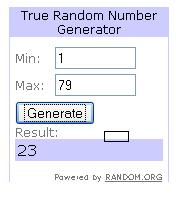 Purex Complete Crystals Winner