
-
Affiliates
How We Turn a Visit to the Doctor into a Less Stressful Experience
Taking the kids to the doctor can turn an ordinary weekday into a carefully managed operation. Someone cannot find their shoes, someone else suddenly feels perfectly healthy, and the appointment time seems to arrive much faster than expected. Over time, our family has found a few simple ways to make medical appointments calmer for everyone.
A little preparation helps children know what to expect without making the visit feel like a major event. Whether we are seeing our regular GP in Melbourne, visiting a walk-in clinic while travelling, or arranging an appointment during the school holidays, keeping the process familiar makes a real difference.
Prepare Before Leaving Home
I try to talk about the appointment in simple, honest language. We discuss where we are going, who we will see and what might happen, such as having ears checked, listening to breathing or measuring height. I avoid promising that nothing uncomfortable will happen, because children remember those promises. Instead, I explain that the doctor’s job is to help and that they can tell us if they feel worried.
Packing a small comfort item can make the waiting room less daunting. A favourite toy, headphones, colouring book or downloaded show can be especially useful when the appointment is running late. I also keep a few tissues, water and a snack in my bag, since hunger can quickly turn mild nerves into a full-scale meltdown.
Before we leave, I check the appointment time, location and parking arrangements. In busy parts of Sydney or Melbourne, allowing extra time for traffic and finding a parking space prevents us from rushing through the door already stressed. I also make sure the Medicare card and any relevant paperwork are easy to reach.
Make the Appointment Feel Familiar
Children often cope better when they have some control. I let them choose which jumper to wear, whether to bring a toy and which book to read in the waiting room. These choices are small, but they give them a sense that they are involved rather than being carried through an unfamiliar process.
Role-playing at home can help younger children understand what a check-up involves. We might use a toy stethoscope, pretend to weigh a teddy bear or practise opening our mouths for a quick look. We keep it light and stop if the game becomes stressful. The aim is familiarity, not a detailed rehearsal.
I also try to use neutral words around needles, tests and examinations. Children notice our tone, so speaking calmly helps communicate that the appointment is manageable. If I am unsure about something, I say we can ask the doctor together rather than guessing or giving an answer that may create extra worry.
Keep Communication Open
I write down symptoms, questions and changes in behaviour before the appointment. When children are unwell, details can blur together, especially if the visit follows a broken night of sleep. A quick note about temperature, medication, appetite or when symptoms began helps me give the GP a clear picture.
I encourage the children to describe how they feel in their own words. “My tummy feels funny” or “my ear is blocked” may sound vague, but those descriptions can be useful. I do not correct them too quickly or answer on their behalf unless they need help. The doctor can ask follow-up questions and explain things in language they understand.
For older children, I make space for private conversation when appropriate. Teenagers may be more comfortable raising personal concerns without a parent speaking over them. Supporting their privacy while staying available teaches them how to take part in their own healthcare.
Use Simple Comfort Strategies
The waiting room is often the hardest part, so I prepare for that rather than assuming we will walk straight in. A quiet activity, a familiar playlist and a small snack can help pass the time. I also avoid filling every minute with warnings such as “don’t touch that” or “you must be good”, as repeated reminders can make the appointment feel like a test.
A visit to the doctor can affect the family budget too. Some Australian clinics offer bulk billing, while others have a gap fee, so I check the arrangements when booking. If we need prescriptions afterward, I consider the cost of the medicine and ask the pharmacist about suitable options. Planning ahead means the practical side of healthcare does not become an extra source of tension.
When we get home, I try to keep the rest of the day gentle. If the appointment involved a vaccination, blood test or difficult conversation, a quiet afternoon and a favourite meal can help everyone reset. Small family treats do not need to be expensive; our approach to celebrating birthdays affordably has reminded me that thoughtfulness matters more than spending.
Make Future Visits Easier
After the appointment, we talk briefly about what went well. I might mention that my child answered a question, stayed still for an examination or asked for a break. Specific praise is more helpful than simply saying they were “good”, because it shows them which coping skills worked.
I keep useful information in one place, including the GP’s details, medication instructions and questions for the next visit. Families who move between suburbs, use different clinics or see a specialist can benefit from having a simple health folder. Digital records are handy too, but I like having a written backup in my bag.
For budgeting ideas that fit everyday family life, I also find Nugget on a Budget useful when planning low-cost activities and purchases. A little organisation around money, transport and appointments can reduce the pressure that often surrounds an already emotional day.
Small Things Worth Packing
A prepared bag can make the whole visit smoother:
- Medicare card and appointment details
- Water and a simple snack
- Comfort toy or small activity
- Headphones, tissues and hand sanitiser
Helpful Habits for Parents
A few routines can support calmer appointments:
- Write down symptoms before leaving
- Explain the visit without making promises
- Allow extra time for traffic and parking
- Plan a quiet activity for afterward
The goal is not to make every doctor’s appointment completely stress-free. Children may still cry, refuse to cooperate or ask the same worried question repeatedly. What helps is creating a predictable routine where their feelings are accepted, their questions are welcome and the adults stay steady.
With a little preparation, honest explanations and a few familiar comforts, a visit to the doctor becomes one manageable part of family life rather than a day everyone dreads. Keep the routine simple, pack the essentials and give children plenty of reassurance before, during and after the appointment.


 Durex House Party “He Said/She Said” Challenge [Giveaway]
![Durex House Party: Introducing the LOVE BOX [Giveaway]](/wp-content/uploads/HLIC/2ed7178346e419ad5c79280a7d5dd0aa.png) Durex House Party: Introducing the LOVE BOX [Giveaway]
Durex House Party: Introducing the LOVE BOX [Giveaway]
![Welcome to the Durex House Party [Giveaway]](/wp-content/uploads/HLIC/b3517de65f98905a68b0497aa5152005.png) Welcome to the Durex House Party [Giveaway]
Welcome to the Durex House Party [Giveaway]
 Nursing Scrubs
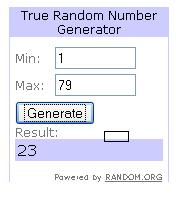 Purex Complete Crystals Winner