
-
Affiliates
How We Turn a Picky Eater into a Brave Taster (Sometimes)
Feeding a child who considers anything green a personal insult can make dinner feel like a daily negotiation. In our house, there have been meals where one child inspected a pea as if it needed laboratory testing, while another decided that a familiar food had become unacceptable simply because it was served on a different plate.
I have learned that expanding a child’s palate is less about winning one dramatic battle and more about creating lots of small, low-pressure opportunities. A brave taster may take one bite, lick a new food, or simply allow it to sit beside the mashed potato. Some days that counts as progress. Other days, we fall back on toast.
Start With Familiar Food
The easiest way to introduce an unfamiliar ingredient is to serve it alongside something already trusted. A small amount of roasted pumpkin beside chicken nuggets feels far less alarming than a bowl full of pumpkin soup. Pasta can carry a little pesto, grated zucchini can disappear into meatballs, and yoghurt can make a new fruit seem more approachable.
I try to keep the serving sizes tiny. A single broccoli floret looks manageable; three large florets can feel like a challenge issued by an enemy. The child is allowed to leave the food on the plate, though we still encourage a smell, a touch, or a very small taste when they are ready.
This approach is especially useful with Australian family staples. A lunchbox might contain crackers, cheese and a piece of fruit alongside a new savoury muffin. At dinner, a familiar sausage or fish finger can share the plate with roasted vegetables. It gives children a safe option without making the whole meal revolve around the safe option.
Take the Pressure Out of Dinner
Picky eating becomes harder when every mouthful turns into a performance. Repeatedly asking, “Have you tried it yet?” can make a child dig in their heels, even when they might have tasted the food on their own. We keep the conversation relaxed and talk about colour, crunch, smell or where the food came from.
Sometimes I describe a taste without insisting that it is delicious. “This carrot is sweet,” is more useful than “You’ll love it.” Children are allowed to say, “I don’t like it,” but I encourage more specific language too. Is it too spicy, too soft, too sour or simply unfamiliar? That information helps me serve it differently next time.
Australian families also have plenty of practical distractions from food battles. A picnic at a local park, a barbecue with relatives or a trip to the weekend farmers’ market can make tasting feel like part of an outing. Hearing someone say, “Have a go, mate,” in a cheerful way is very different from being cornered at the table.
Let Children Have Some Control
Giving children a little ownership can change their attitude. They can choose between cucumber and capsicum, decide whether corn goes on the pizza, or help wash strawberries. Even small jobs make a new ingredient less mysterious. A child who refuses cooked carrots may happily peel them, arrange them on a tray and taste one after it comes out of the oven.
I also let the kids help plan one meal each week. It might be homemade tacos, toasted sandwiches or a build-your-own rice bowl. We shop for the ingredients at Coles, Woolworths or Aldi, keeping an eye on the grocery bill because adventurous eating can become expensive quickly. There is no need to buy a specialty product just because it has a child-friendly label.
Our family food traditions matter too. A relaxed Sunday meal, like the family rituals shared through Sunday family inspiration, can become a gentle place to practise tasting. When the meal has a slower rhythm and everyone contributes, trying something new feels less like a test.
Keep Offering Food Without Making It a Battle
A child may need to see a new food many times before accepting it. I used to assume that refusing peas once meant peas were permanently banned. Now I understand that preferences shift with mood, tiredness, texture and even the amount of food already eaten that day.
One evening, a child might reject avocado and the next week ask for it on toast. A previously ignored mango may become a favourite after being served chilled. Repetition helps, but I avoid announcing that a food is being reintroduced. It simply appears in a small portion beside other foods.
There are practical boundaries, especially in Australia, where school lunch policies and allergy requirements need to be taken seriously. We check what can be packed into school and avoid treating shared food as a casual experiment. At home, I can offer peanut butter or prawns when appropriate, but I follow school rules and medical advice carefully.
Remember That Food Is Only Part of Family Life
Some of our most successful food discoveries have happened when nobody was trying too hard. A child tasted watermelon at a summer gathering, tried dumplings at a local festival, or sampled a new dip because a sibling was eating it. The surrounding experience made the food feel interesting rather than suspicious.
I also try to protect the pleasure of eating together. A family meal should leave room for conversation, silly stories and the occasional complaint about salad. Relationship time matters as well; even a simple date-night meal can remind adults that food is about connection, not just getting vegetables into small bodies. I have written before about Valentine’s Day ideas, and those same little efforts toward connection apply on ordinary family nights.
As the children grow, we talk about respectful communication, personal preferences and the difference between disliking a food and insulting the person who cooked it. Even discussions around adult relationships and keeping communication open can benefit from thoughtful resources such as these relationship conversation ideas. The broader lesson is the same: people are more willing to be honest when they feel safe.
A picky eater may never become the child who orders every vegetable on the menu. That is fine. If they occasionally taste something new, learn to describe what they prefer and remain curious about food, I will count that as a win. Keep a familiar food nearby, offer tiny portions, involve the kids in preparation and celebrate the small breakthroughs. Brave tasting rarely happens all at once, but it can become part of everyday family life.


 Durex House Party “He Said/She Said” Challenge [Giveaway]
![Durex House Party: Introducing the LOVE BOX [Giveaway]](/wp-content/uploads/HLIC/2ed7178346e419ad5c79280a7d5dd0aa.png) Durex House Party: Introducing the LOVE BOX [Giveaway]
Durex House Party: Introducing the LOVE BOX [Giveaway]
![Welcome to the Durex House Party [Giveaway]](/wp-content/uploads/HLIC/b3517de65f98905a68b0497aa5152005.png) Welcome to the Durex House Party [Giveaway]
Welcome to the Durex House Party [Giveaway]
 Nursing Scrubs
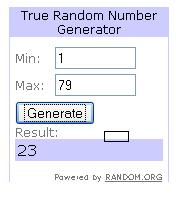 Purex Complete Crystals Winner