
-
Affiliates
How We Manage Screen Time as Parents Too
Screens are woven into nearly every part of family life. We use phones for work messages, school notices, banking, recipes, photos, maps and the occasional quiet scroll while waiting at school pick-up. The children see all of that, so our habits matter just as much as the rules we set for them.
In our home, managing screen time as parents is less about counting every minute and more about being deliberate. We want our devices to support family life rather than quietly take over the best parts of it. That means noticing when we are distracted, setting boundaries that fit our routines and being willing to adjust them.
Australian family life has its own rhythm, from early school drop-offs and weekend sport to long summer evenings, beach trips and the busy rush of the arvo. A realistic digital balance needs to work around those ordinary moments rather than expecting us to live like we have no work, messages or responsibilities.
We Treat Our Habits As Part Of The Lesson
Children notice when a parent says, “Put the tablet away,” while checking notifications during a conversation. We are not perfect, but we try to avoid demanding a standard from the kids that we do not attempt ourselves. Putting the phone down at the table is a small action, yet it sends a clearer message than a long speech about responsible technology use.
We also talk openly about why we are using a device. If I am checking a work email, I can say that it is a job task and let the children know when I will be finished. If I am mindlessly scrolling, recognising that out loud can be useful too. It helps separate purposeful screen use from habits that simply fill every quiet moment.
Our Home Has Screen-Free Anchors
We keep a few parts of the day reliably screen-free. Family dinner is one of them, because conversation is easier when nobody is glancing down every few minutes. Our approach is closely tied to the reasons we eat dinner together, especially the chance to hear about everyone’s day without competing with a phone.
Bedrooms are another important boundary, particularly on school nights. Devices charge in a shared space rather than beside the bed, which reduces late-night scrolling and makes mornings less chaotic. There are exceptions when someone needs an alarm or has a genuine reason to use a device, but the default is to keep bedrooms for sleep, reading and winding down.
We Separate Work From Family Time
Working from home can make the line between professional and personal life very blurry. A message can arrive during homework, dinner preparation or bath time, and it is tempting to answer immediately because the phone is within reach. We now try to decide which notifications genuinely need attention and which can wait until a planned check-in.
When possible, I put the phone on silent and leave it in another room during family activities. This is especially helpful during the after-school window, when everyone is hungry, tired and ready to talk. Australian parents often move straight from the school gate to swimming lessons, footy training or errands, so a short device-free stretch can be more achievable than promising an entire screen-free afternoon.
We Protect The Good Parts Of Technology
Screen time is not automatically bad. We use devices for family movie nights, video calls with relatives, music, school projects and finding ideas for rainy-day activities. During school holidays, a film can provide a welcome pause after a full day out, just as looking through old photos can bring everyone into a shared conversation.
We have also found that digital memories can lead us back into real-life stories. Looking through our summer memories reminds us that the best moments were usually trips, backyard play, visitors and simple outings rather than hours spent online. The goal is not to remove screens from family life; it is to keep them in their proper place.
We Keep Conversations Open As Children Grow
Rules need to change as children become more independent. A preschooler may need a timer and help choosing suitable programmes, while an older child may need conversations about group chats, gaming, online advertising and privacy. We try to explain the reason behind a limit instead of presenting every boundary as an arbitrary punishment.
We also pay attention to how screens affect mood. If someone becomes snappy after gaming or struggles to stop watching videos, that tells us the routine needs adjusting. A calm conversation works better than criticising the child or the device. We can discuss breaks, sleep and balance while still recognising that online friendships and entertainment can be meaningful.
Practical Ways We Reset Our Routine
A few simple habits make it easier for us to manage our own phone use without turning the house into a technology battleground. These are the strategies that fit most naturally into our week:
- Charge phones outside the bedroom overnight.
- Turn off non-essential notifications, especially during dinner and bedtime.
- Set specific times to check work messages rather than reacting to every alert.
- Keep phones away during school pick-up conversations and family activities.
- Use shared screens in communal areas when children are watching.
- Choose a family activity before reaching for a device during quiet time.
- Review the routine after holidays, busy work periods or changes to school schedules.
We do not expect every day to follow the plan. There are nights when work runs late, someone is unwell or a screen provides much-needed breathing space. The useful part is returning to the routine without guilt and noticing what helps everyone sleep better, talk more and feel less pulled in different directions.
Finding sensible ideas from other parents can help too, especially when family routines vary. I enjoy browsing practical parenting perspectives, including family life ideas, because a strategy that works for one household may spark a more suitable version for ours.
The biggest change has been replacing the idea of perfect control with regular awareness. We ask ourselves whether a device is helping with the moment in front of us or distracting us from it. That small pause often makes the decision clearer.
We are still learning, and our screen habits will keep changing as our children grow, work demands shift and technology develops. For now, we are aiming for a home where phones and tablets have a useful role, while conversation, rest and shared experiences remain more important. Try one manageable boundary this week, share it with the family and make room for the kind of attention everyone deserves.


 Durex House Party “He Said/She Said” Challenge [Giveaway]
![Durex House Party: Introducing the LOVE BOX [Giveaway]](/wp-content/uploads/HLIC/2ed7178346e419ad5c79280a7d5dd0aa.png) Durex House Party: Introducing the LOVE BOX [Giveaway]
Durex House Party: Introducing the LOVE BOX [Giveaway]
![Welcome to the Durex House Party [Giveaway]](/wp-content/uploads/HLIC/b3517de65f98905a68b0497aa5152005.png) Welcome to the Durex House Party [Giveaway]
Welcome to the Durex House Party [Giveaway]
 Nursing Scrubs
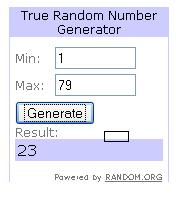 Purex Complete Crystals Winner